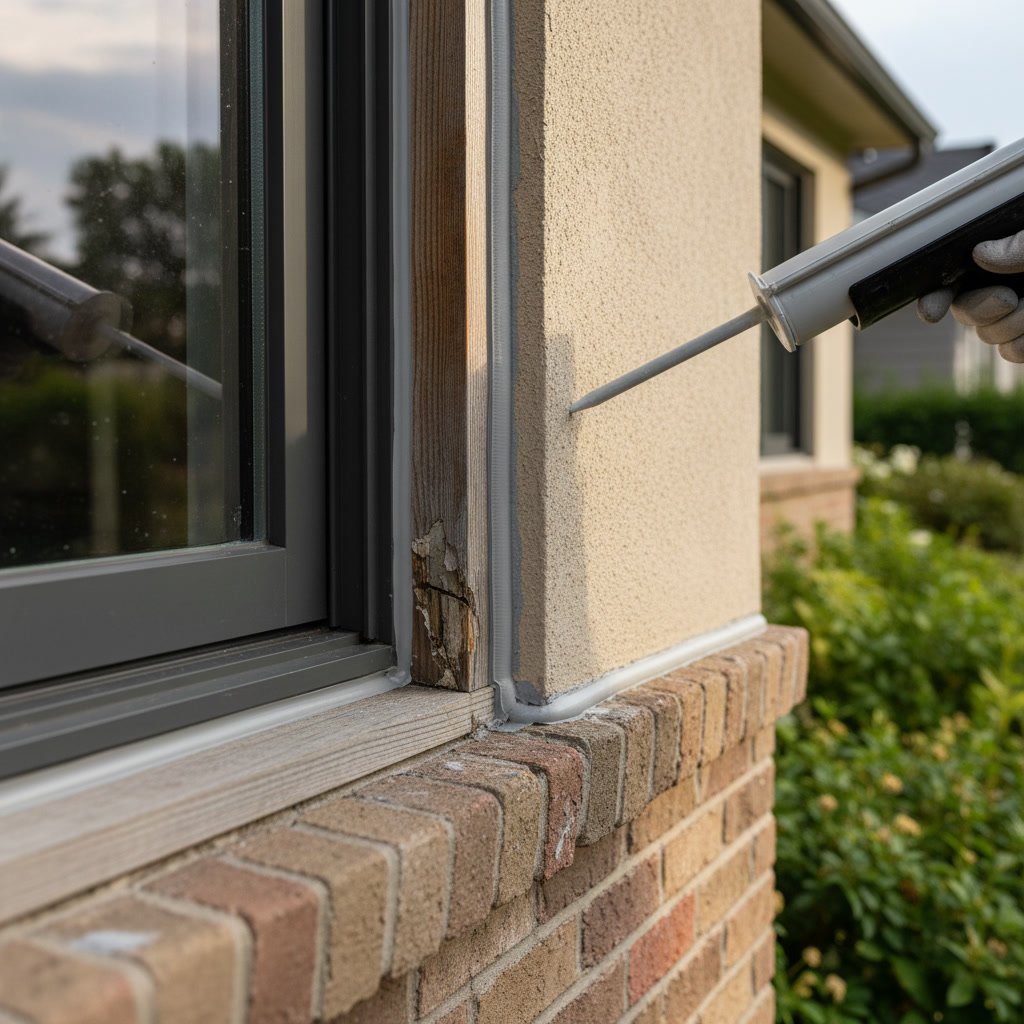
Proper exterior caulking around doors and windows forms a watertight barrier that shields your home from moisture intrusion. When water seeps through gaps and cracks, it saturates wood framing, corrodes metal components, and weakens structural supports. Effective caulking prevents structural damage by stopping water before it reaches vulnerable building materials, preserving the integrity of walls, sills, and foundations for years to come.
Why Water Intrusion Is a Hidden Threat
Water damage rarely announces itself with dramatic floods or visible pooling. Instead, moisture infiltrates through tiny gaps around window frames and door jambs, moving silently into wall cavities and structural elements. Over time, even small amounts of persistent moisture cause rot, mold growth, and material breakdown that compromise the safety and value of your property.
The problem intensifies during freeze-thaw cycles common in Missouri winters. Water that penetrates gaps expands when it freezes, widening cracks and creating new pathways for even more moisture. This cycle accelerates deterioration, turning minor gaps into major structural concerns within a single season.
How Caulking Creates a Water Barrier
Exterior-grade caulking fills the microscopic and visible gaps where different building materials meet. Windows and doors expand and contract with temperature changes, creating joints that shift slightly throughout the year. Caulk remains flexible enough to accommodate this movement while maintaining a continuous seal against wind-driven rain, snow melt, and humidity.
Quality caulking adheres to both porous materials like wood and brick as well as non-porous surfaces such as vinyl, aluminum, and glass. This versatility makes it the only practical solution for sealing the complex intersections where window frames meet siding, where door thresholds contact masonry, and where trim pieces join at corners.
Common Entry Points for Moisture Around Openings
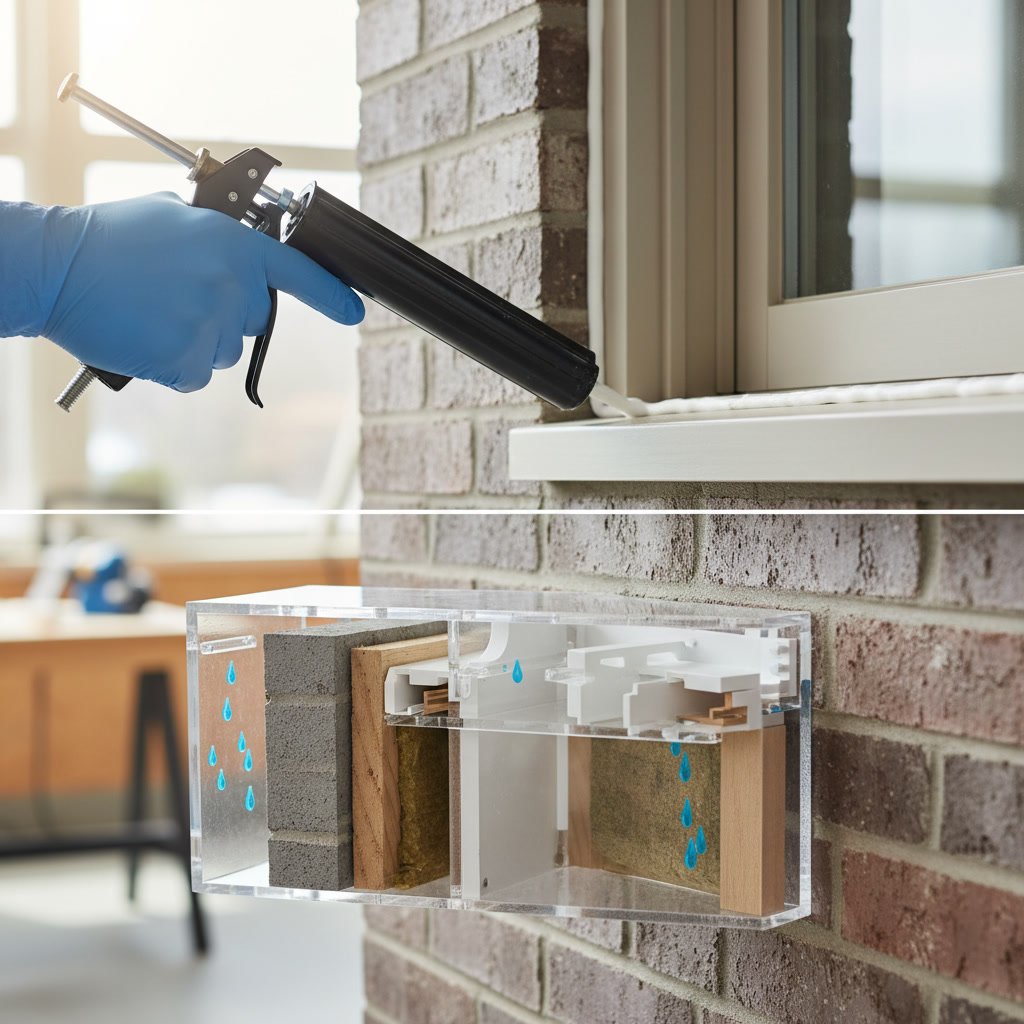
Water finds its way into homes through predictable vulnerabilities. The joint between a window sill and the brick or siding below it collects water during rain, and any gap allows moisture to travel underneath the sill into the wall cavity. Door frames at ground level face constant exposure to splashing rain and snow accumulation, making proper sealing essential.
Corners where trim boards meet create L-shaped joints that are difficult to protect with paint alone. These joints open slightly as wood expands and contracts, creating channels for water entry. The top edge of door and window trim, where horizontal pieces meet vertical sides, also traps water that can wick downward into end grain if not properly sealed.
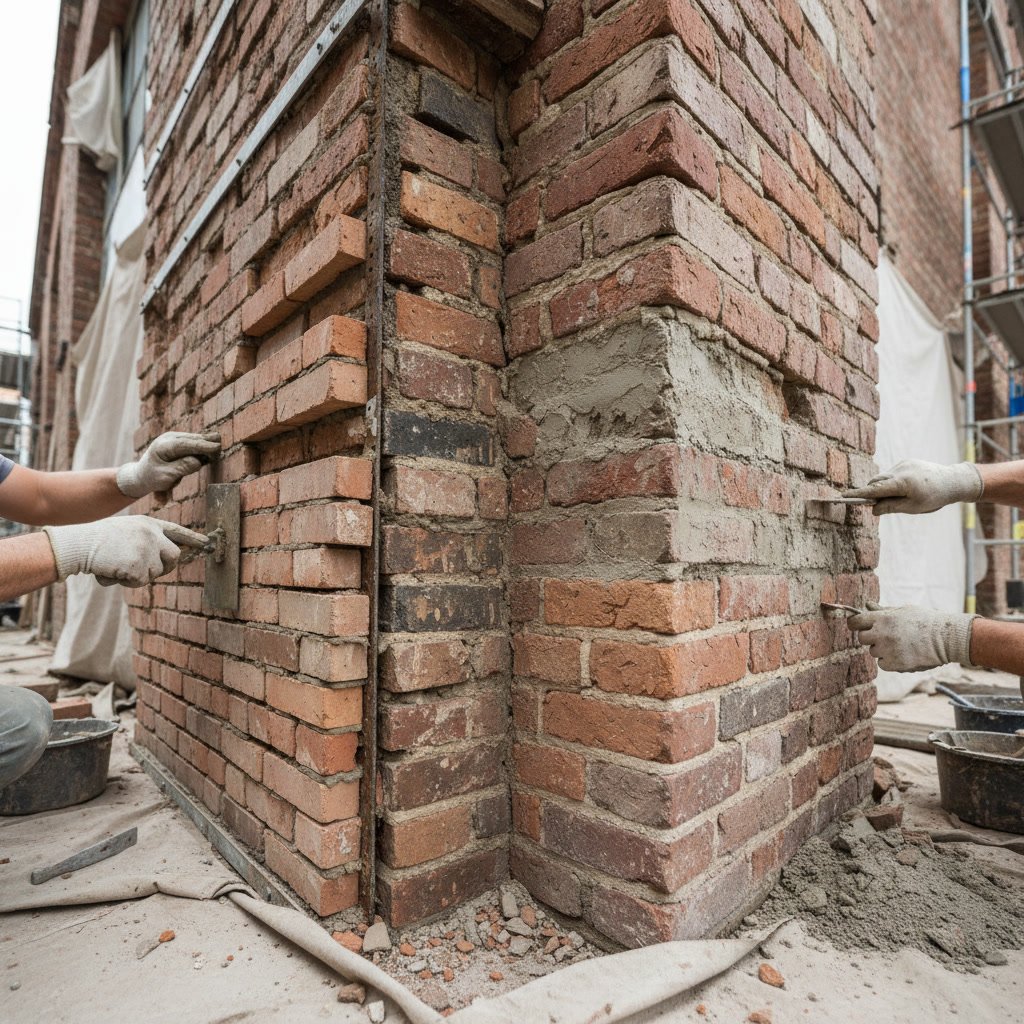
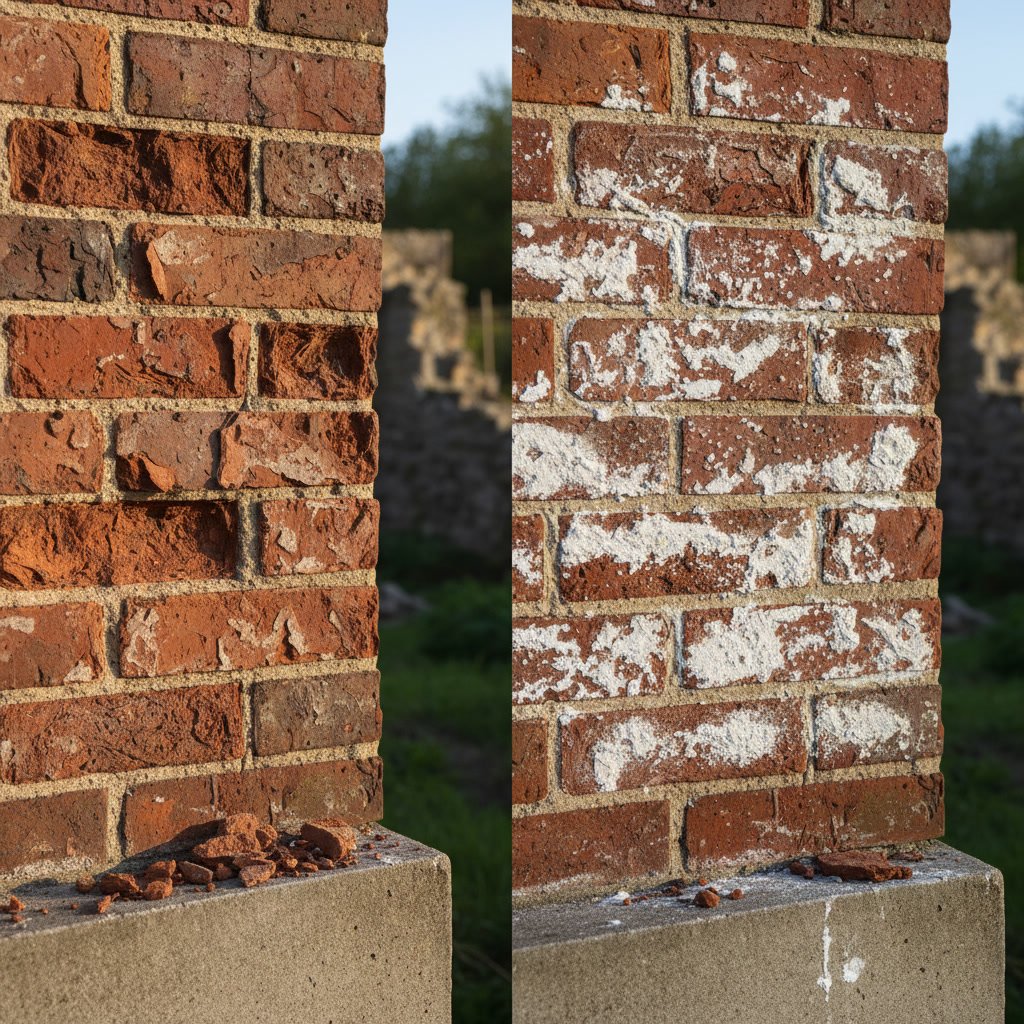
Brick homes present additional challenges where window and door frames are set into masonry openings. The gap between the frame and brick must be sealed to prevent water from reaching the wood framing behind the brick veneer. This is especially critical in homes where brick restoration work has been completed, as fresh mortar joints need complementary caulking to create a complete moisture barrier.
What Happens When Water Reaches Structural Components
Once moisture penetrates past exterior caulking, it encounters wood framing members, insulation, and sheathing. Wood that remains damp for extended periods develops fungal decay, losing up to 90% of its load-bearing capacity before visible signs appear on the surface. Floor joists, wall studs, and window headers all become vulnerable when chronic moisture exposure goes unaddressed.
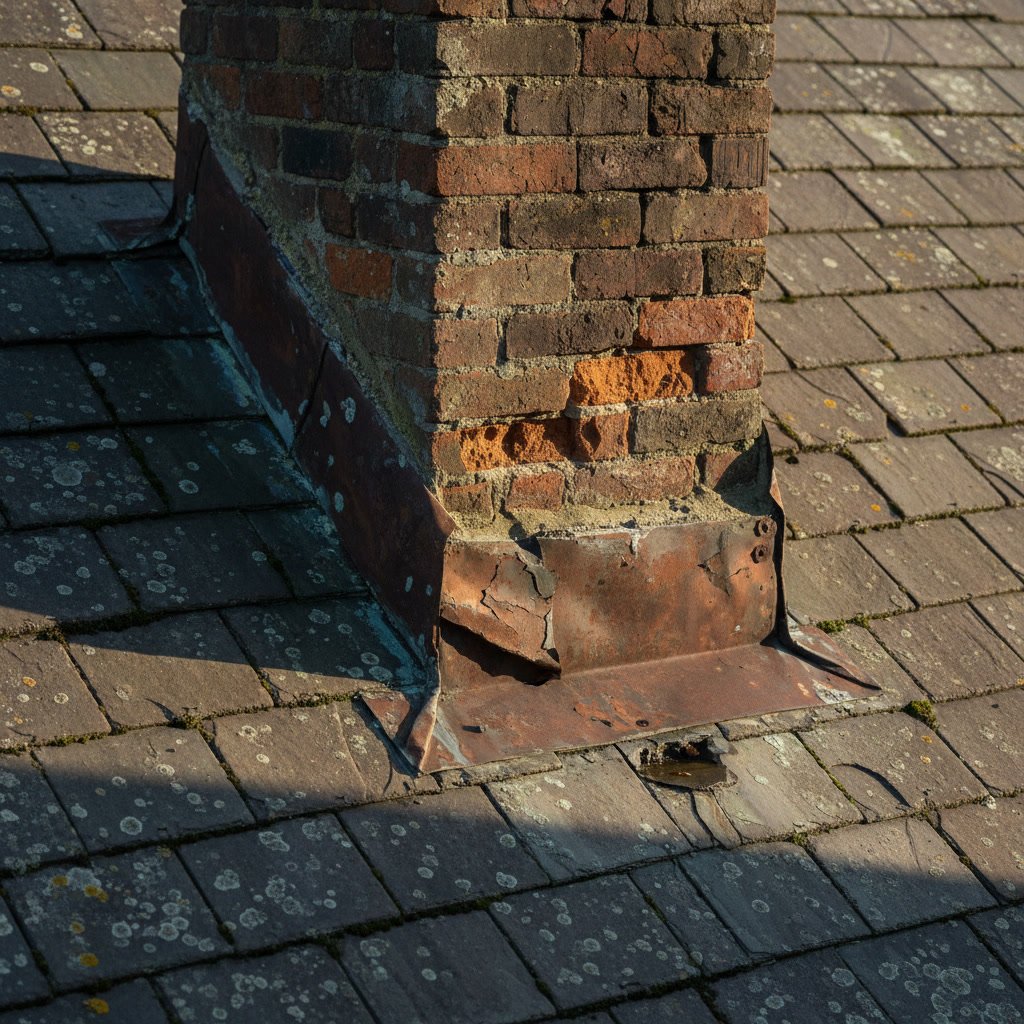
Metal fasteners, joist hangers, and structural connectors corrode when exposed to moisture. Rust expands the metal, splitting surrounding wood and loosening connections that are engineered to hold specific loads. In severe cases, corroded fasteners fail completely, requiring extensive repairs that involve opening walls and replacing framing components.
Insulation saturated with water loses its thermal resistance and becomes a reservoir that keeps surrounding materials damp. This creates ideal conditions for mold growth, which spreads across wood surfaces and drywall, requiring professional remediation that costs thousands of dollars more than preventive caulking maintenance.
The Link Between Caulking and Foundation Stability in Affton Homes
Water that enters through poorly sealed doors and windows does not always stay in the wall cavity. Gravity pulls moisture downward, where it accumulates at the base of walls and eventually reaches the foundation. In Affton and throughout St. Louis County, homes built on clay soils face particular risk, as excess moisture causes soil expansion that exerts pressure against foundation walls.
When water saturates the soil immediately adjacent to your foundation, hydrostatic pressure increases, forcing moisture through concrete and creating damp basements. Over years, this pressure can cause foundation cracks, bowing walls, and settlement issues that threaten the entire structure. Proper exterior caulking reduces the volume of water reaching your foundation, protecting one of your home’s most critical and expensive components.
Materials That Resist Missouri Weather Extremes
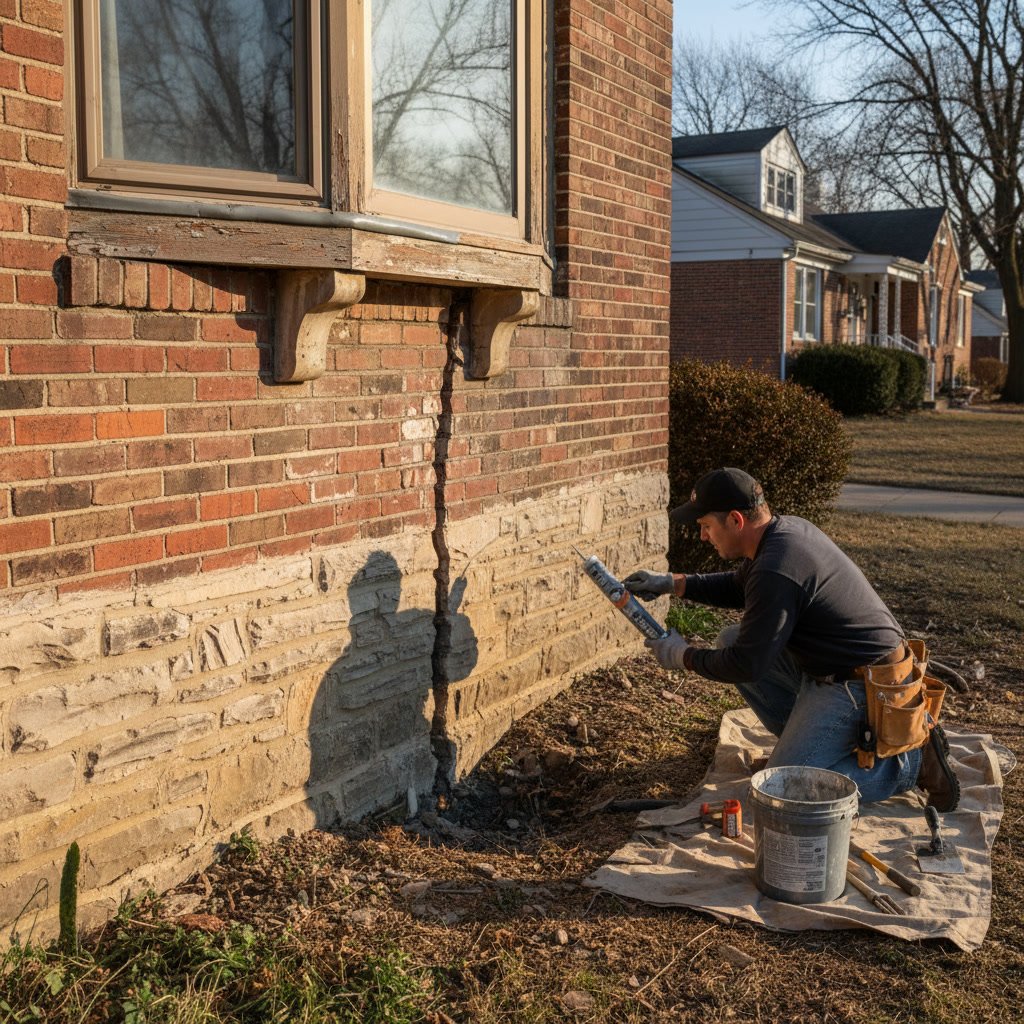
Not all caulking products provide equal protection. Interior-grade caulks lack the UV resistance and flexibility needed for exterior applications, breaking down within months when exposed to sunlight and temperature swings. Acrylic latex caulks offer basic water resistance but can crack during winter cold snaps, opening gaps that defeat their purpose.
Polyurethane caulks deliver superior adhesion and flexibility across the temperature range typical in greater St. Louis, from below-zero winter nights to 95-degree summer afternoons. These products maintain elasticity for 20 years or more, accommodating building movement without tearing or separating from substrates.
Silicone caulks provide excellent water resistance and durability but require careful surface preparation and do not accept paint. Hybrid polymer caulks combine the best properties of multiple chemistries, offering strong adhesion, paintability, and long-term flexibility. Selecting the appropriate material for each application determines whether your window and door caulking protects your home for two years or two decades.
Signs Your Current Caulking Has Failed
Visual inspection reveals most caulking failures before they cause serious damage. Cracks running along the length of a caulk bead indicate that the material has lost flexibility and no longer seals effectively. Gaps where caulk has pulled away from one side of a joint create direct pathways for water entry.
Discoloration or black streaks on caulk surfaces often signal mold growth fed by moisture that has penetrated the seal. Caulk that feels hard and brittle when you press it with a fingernail has exceeded its service life and should be replaced. Peeling paint on wood trim near caulked joints suggests that water is getting behind the caulk and pushing paint off from below.
Interior signs include water stains on walls below windows, peeling wallpaper, or a musty odor in rooms with exterior doors and windows. These symptoms indicate that moisture has already penetrated your home’s envelope, making immediate caulking repair essential to prevent further damage. If you notice similar deterioration in masonry elements, you may need comprehensive weatherproofing services beyond caulking alone.
Professional Application Techniques That Ensure Long-Term Performance
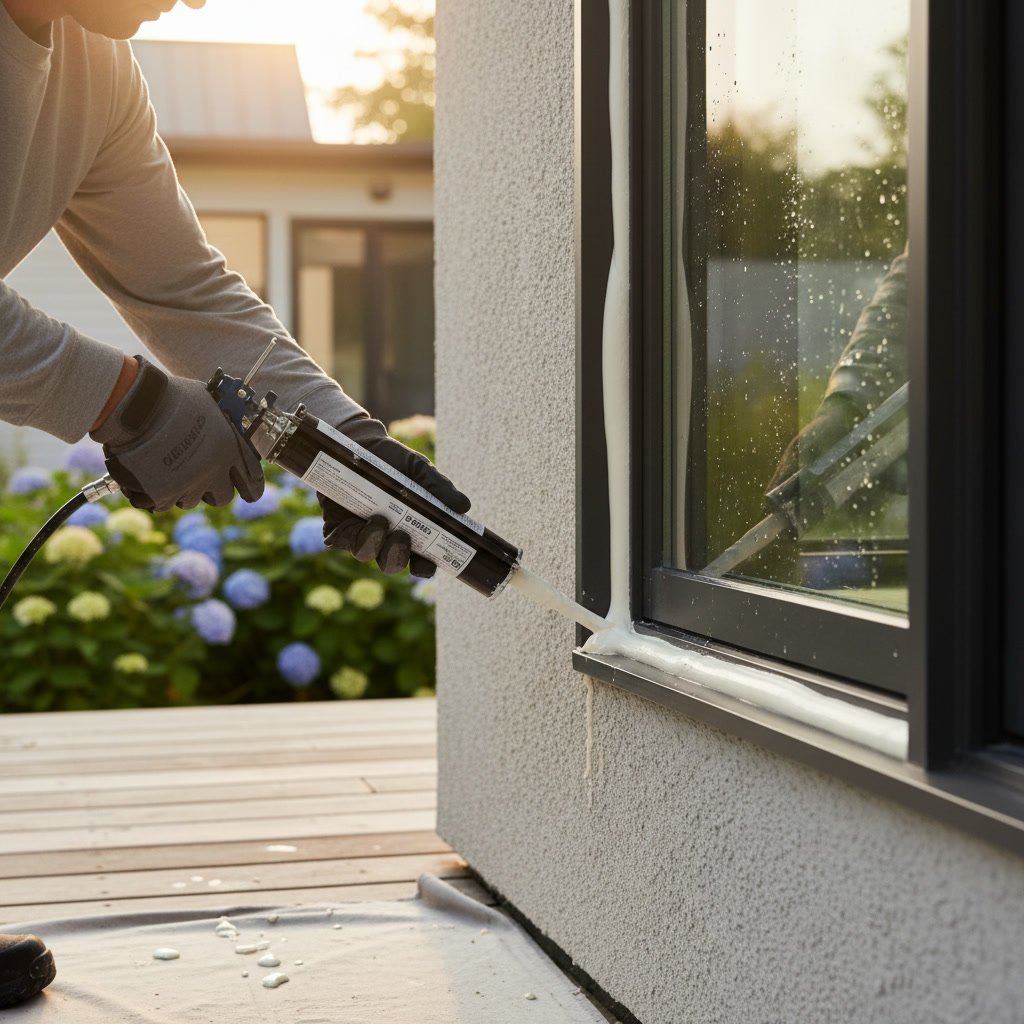
Surface preparation determines caulking longevity more than any other factor. All old caulk must be completely removed, along with loose paint, dirt, and biological growth. Substrates need to be dry before new caulk is applied, as moisture trapped beneath caulk prevents proper adhesion and creates a pathway for continued water intrusion.
Proper bead size matters significantly. A caulk joint should be approximately half as deep as it is wide, with a typical exterior joint measuring 3/8 inch wide and 3/16 inch deep. Overfilled joints use excess material without improving performance, while shallow beads lack the mass needed to bridge gaps and accommodate movement. Backing rod or bond-breaker tape ensures the correct depth-to-width ratio in wider joints.
Tooling the caulk bead immediately after application presses the material firmly against both surfaces, eliminating air pockets and improving adhesion. The finished surface should be slightly concave, which sheds water more effectively than convex or flat profiles. Temperature and humidity during application also affect curing, with ideal conditions between 40 and 80 degrees and relative humidity below 80%.
When Caulking Works With Other Protection Systems
Caulking functions as one component of a comprehensive moisture management strategy. Properly installed flashing above doors and windows directs water away from the opening, while caulking seals the vertical and horizontal joints where water might otherwise penetrate. When these systems work together, they provide redundant protection that accommodates the occasional failure of a single element.
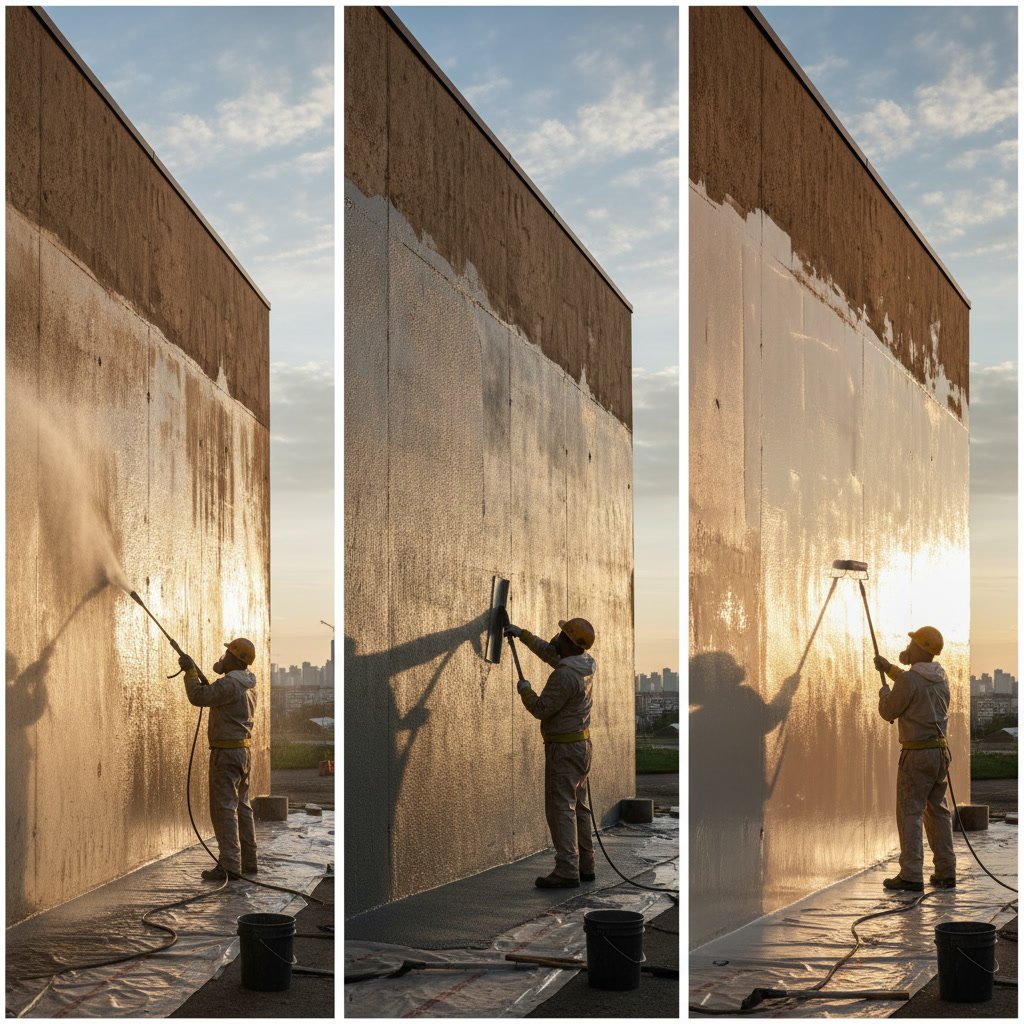
Exterior paint creates an additional moisture barrier over wood components, but paint films eventually crack and peel. Caulk protects the vulnerable end grain and joints where paint alone cannot provide adequate sealing. Similarly, weatherproofing treatments for brick homes protect masonry surfaces, but the joints where brick meets other materials still require caulking for complete protection.
Roof maintenance and gutter function also affect how much water reaches your doors and windows. Overflowing gutters dump large volumes of water directly onto wall surfaces, overwhelming even well-maintained caulking. Addressing drainage issues alongside caulking renewal provides the most effective long-term protection against moisture damage.
Cost Comparison Between Prevention and Repair
Professional caulking service for an average home with 12 windows and three exterior doors typically costs between $400 and $800, depending on the condition of existing caulk and the products used. This investment provides five to 20 years of protection, depending on material quality and exposure conditions.
Compare this to the cost of repairing water damage after caulking has failed. Replacing a rotted window sill runs $300 to $600 per window. Addressing wood rot in wall framing requires opening walls, replacing studs, and refinishing surfaces at costs ranging from $2,000 to $8,000 per affected wall section. Foundation repairs for moisture-related settlement or cracking start at $4,000 and can exceed $20,000 for extensive stabilization work.
Mold remediation adds another layer of expense, with professional treatment costing $1,500 to $4,000 for a typical affected area. Health impacts from mold exposure carry costs that extend beyond immediate remediation, affecting family well-being in ways that no amount of money can fully address. The return on investment for preventive caulking maintenance is among the highest of any home improvement activity.
Protecting Your Investment for the Long Term
Your home represents a substantial financial commitment and provides shelter for your family. Structural water damage from failed caulking undermines both the safety and value of this investment. Regular inspection and timely renewal of exterior caulking around doors and windows costs a fraction of the repairs needed once moisture has compromised structural components.
Professional caulking service ensures that appropriate materials are correctly applied to clean, prepared surfaces. This attention to detail extends the service life of the caulking and maximizes protection against the moisture threats your home faces year-round. When combined with proper flashing, functional gutters, and sound masonry work, quality caulking creates a durable barrier that keeps your structure dry and sound.
Massey Tuckpointing & Masonry has protected homes throughout the St. Louis area since 2002, combining technical expertise with the careful attention that comes from family ownership. Our team understands how moisture moves through building assemblies and how proper sealing prevents the costly damage that shortens your home’s lifespan. Whether your property needs routine caulking maintenance or comprehensive moisture remediation, our experience ensures work that performs as intended for years to come. Contact us at +13142009488 to schedule an inspection and protect your home from preventable water damage.