Brick homes in the Greater St. Louis area face constant assault from freeze-thaw cycles, heavy rains, and temperature swings that can crack mortar and allow water intrusion. Understanding the different types of weatherproofing available helps you choose the right protection for your home before minor moisture problems turn into expensive structural repairs.
This guide breaks down each weatherproofing method, explains how it works, and shows you when to use it. You’ll learn which solutions protect against specific problems and how to match the right technique to your brick’s age, condition, and exposure level.
Penetrating Silane/Siloxane Sealers
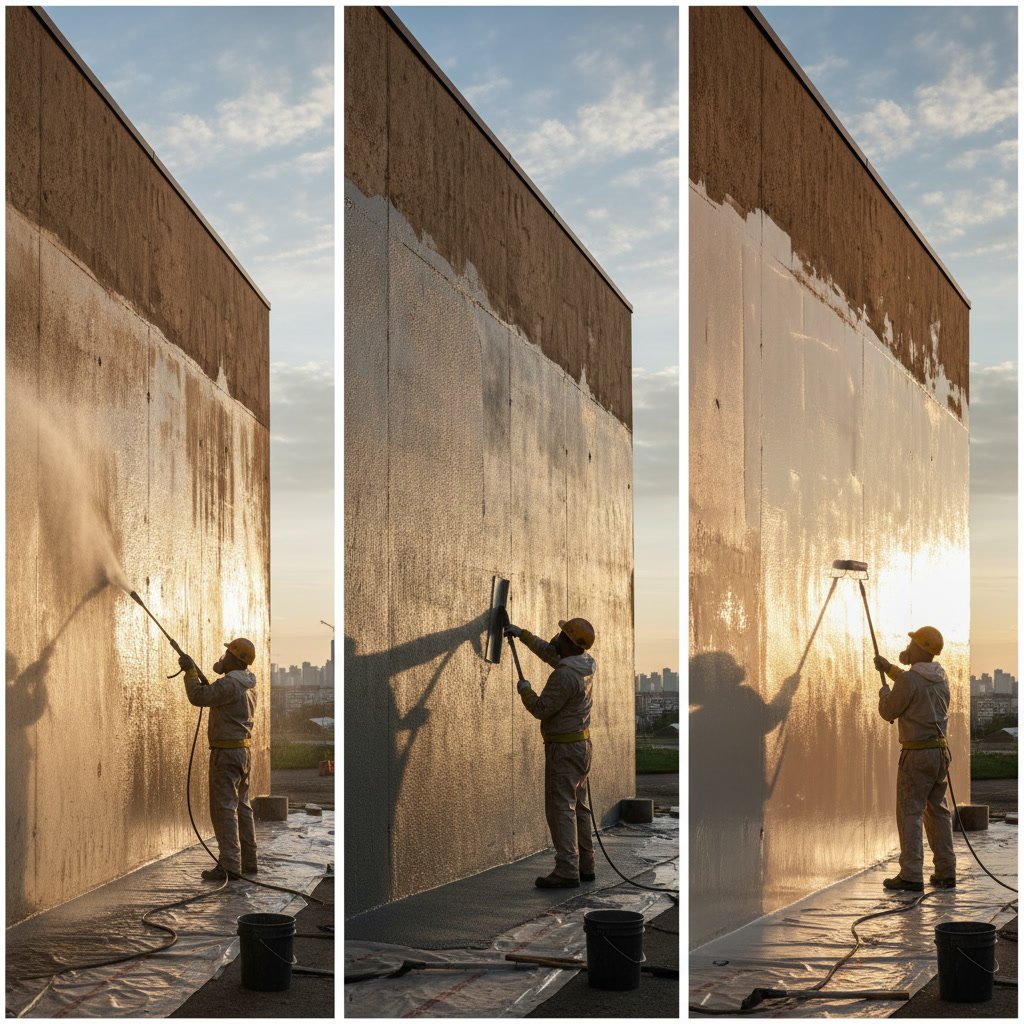
Penetrating sealers represent the most popular choice for weatherproofing brick because they protect without changing the appearance of your masonry. These chemical treatments soak into the brick and mortar, creating a water-repellent barrier below the surface while still allowing the wall to breathe.
Silane molecules are smaller and penetrate deeper into the masonry, while siloxane molecules are larger and remain closer to the surface. Most professional-grade products combine both for maximum protection. The treatment typically lasts 7 to 10 years depending on exposure and climate conditions.
Use penetrating sealers when your brick is in good condition but you want to prevent future water damage. They work exceptionally well on chimneys, exterior walls with minimal cracking, and recently restored masonry. This method is ideal for homes in Chesterfield and Town & Country where brick homes face consistent weather exposure.
Avoid penetrating sealers on damaged brick or mortar that needs repair first. They won’t fill cracks or stabilize deteriorating masonry. If your mortar joints show significant erosion, you’ll need tuckpointing before applying any sealer.
Pro Tip: Never apply penetrating sealers to wet brick. The surface must be completely dry for at least 24 hours before treatment, and no rain should be forecast for 24 to 48 hours after application. Plan this work during dry weather periods in spring or fall.
Acrylic and Elastomeric Coatings
Film-forming coatings create a visible layer on top of the brick surface rather than soaking in. Acrylic coatings are thinner and more breathable, while elastomeric coatings are thicker and create a rubber-like membrane that can bridge small cracks.
Elastomeric coatings can stretch up to 300% of their original size, making them useful for brick walls with minor movement or hairline cracks. They’re typically applied in two coats and create a finish thickness of 10 to 20 mils (compared to paint at 3 to 4 mils).
These coatings work best on brick that’s already been painted or on commercial buildings where appearance changes are acceptable. They’re not recommended for historic brick or homes where maintaining the natural brick appearance matters. The coatings can last 10 to 15 years but require more maintenance than penetrating sealers.
One significant drawback is that coatings can trap moisture if water gets behind them through cracks or failed mortar joints. This trapped moisture can cause brick spalling and deterioration that’s worse than having no coating at all. Always address underlying masonry restoration needs before applying any coating.
When Coatings Make Sense
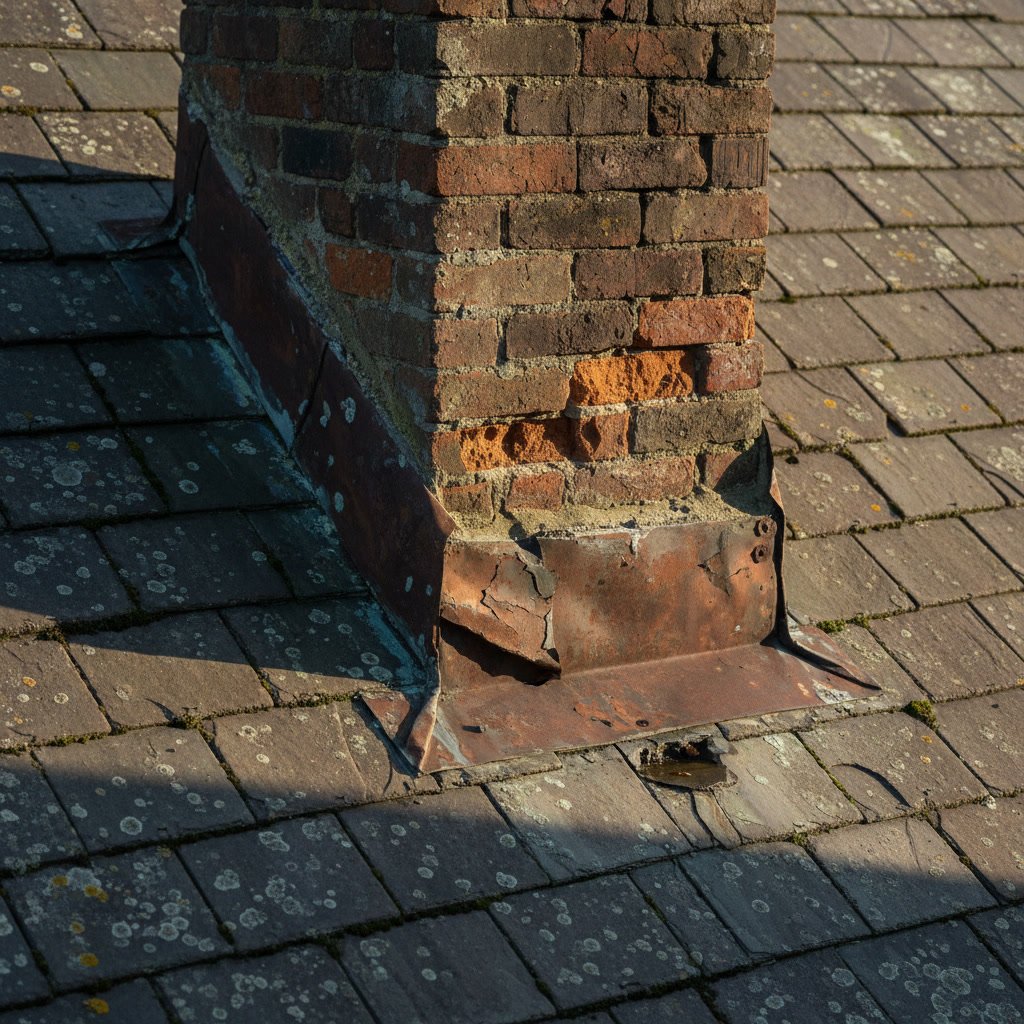
Consider elastomeric coatings for parapet walls, chimneys above the roofline, and other areas with severe exposure where maximum waterproofing outweighs appearance concerns. They’re also useful for painted brick that needs enhanced protection.
Skip coatings on historic brick, unpainted brick you want to preserve naturally, or any masonry with active moisture problems. The coating won’t solve the underlying issue and may make diagnosis and repair more difficult later.
Caulking and Joint Sealants
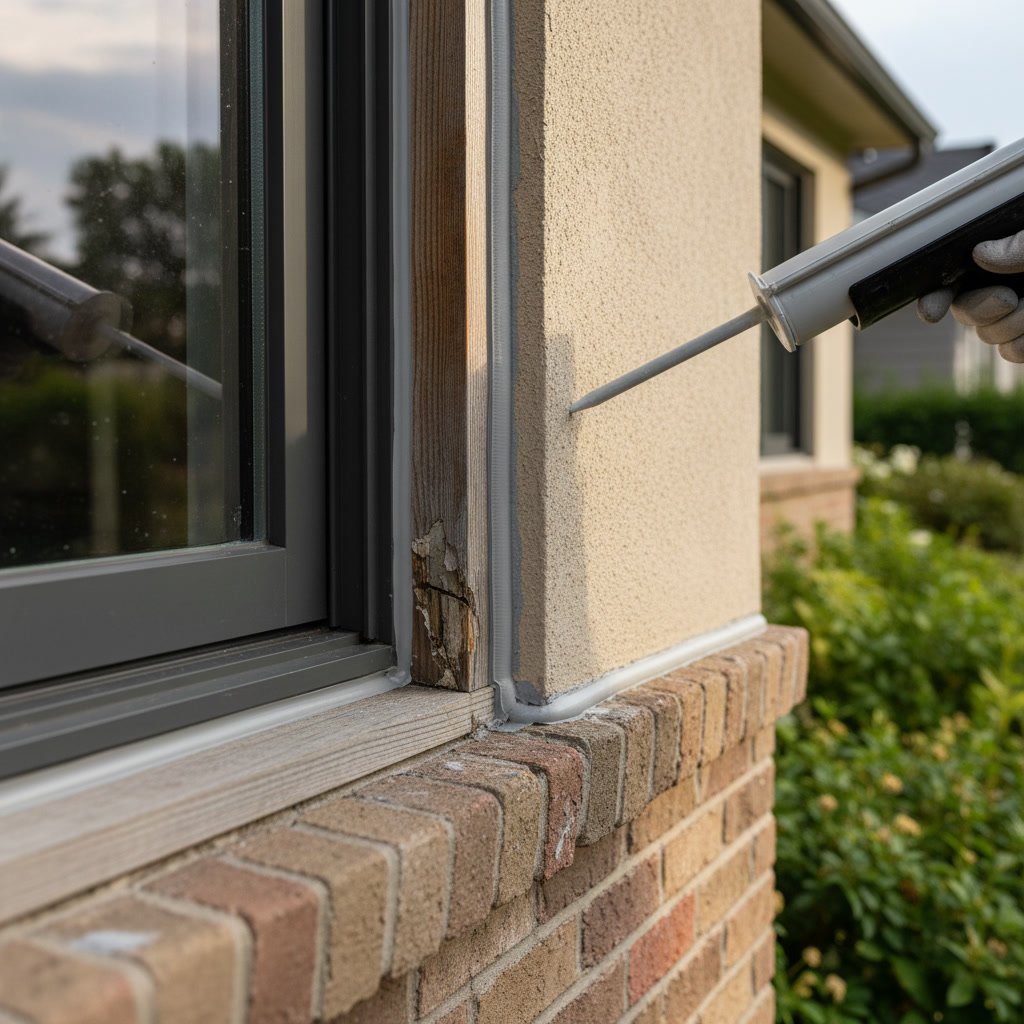
While not weatherproofing for the entire wall, caulking represents one of the most critical types of weatherproofing for specific vulnerable points. Water typically enters brick homes through gaps around windows, doors, utility penetrations, and expansion joints rather than through the brick itself.
High-quality polyurethane or silicone caulks create flexible, waterproof seals that accommodate the natural movement between different materials. These products typically last 10 to 20 years when properly applied, though exposure to direct sunlight can shorten their lifespan.
Professional window and door caulking prevents the majority of water intrusion in brick homes. Pay special attention to the junction where window frames meet brick, around door thresholds, where brick meets wood trim, and anywhere dissimilar materials join.
Replace caulk when you notice cracking, shrinkage, or gaps forming. Failed caulk allows water to run behind trim and into wall cavities where it causes hidden damage to framing and insulation. Homes throughout St. Louis County benefit from caulk inspection and replacement every 5 to 7 years.
Mortar Joint Waterproofing
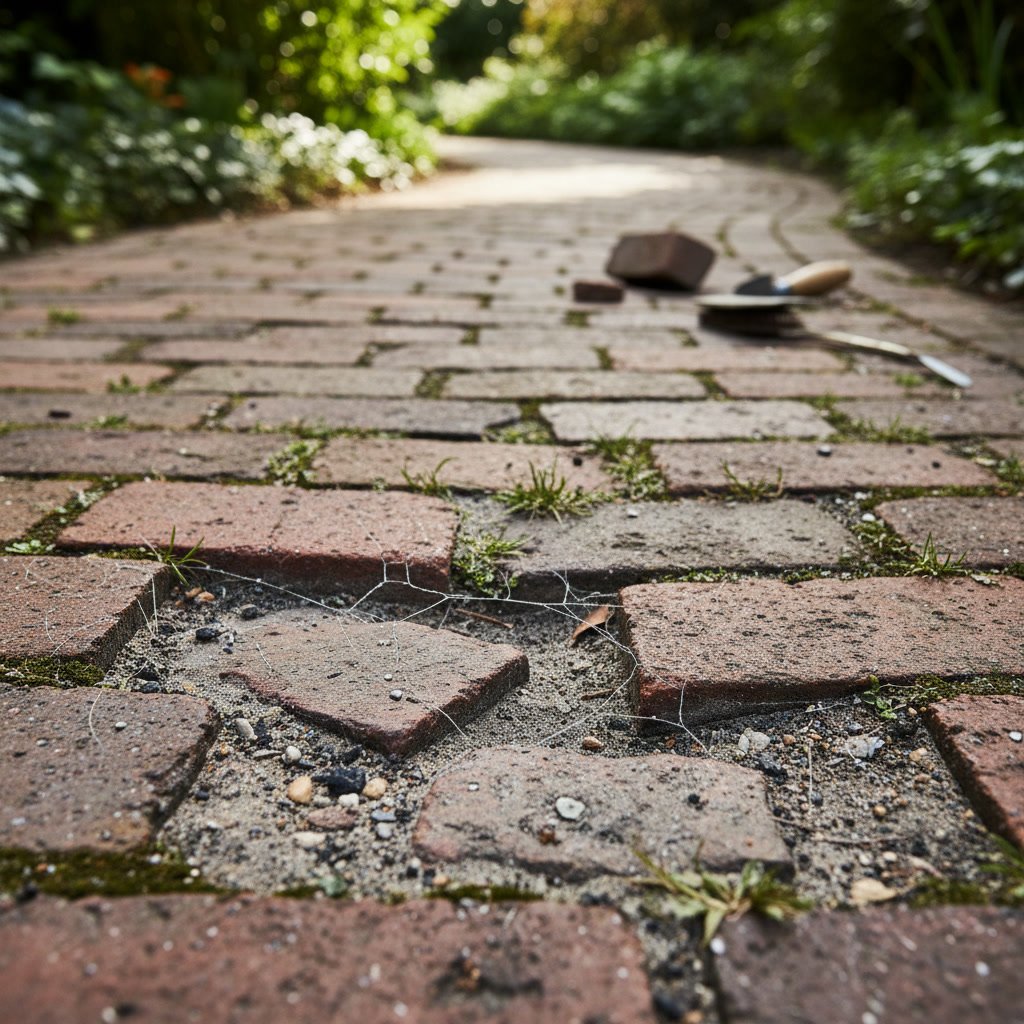
The mortar between bricks absorbs water more readily than the brick itself. Specialized mortar sealers focus protection specifically on these joints, which are often the first point of failure in weatherproofing systems.
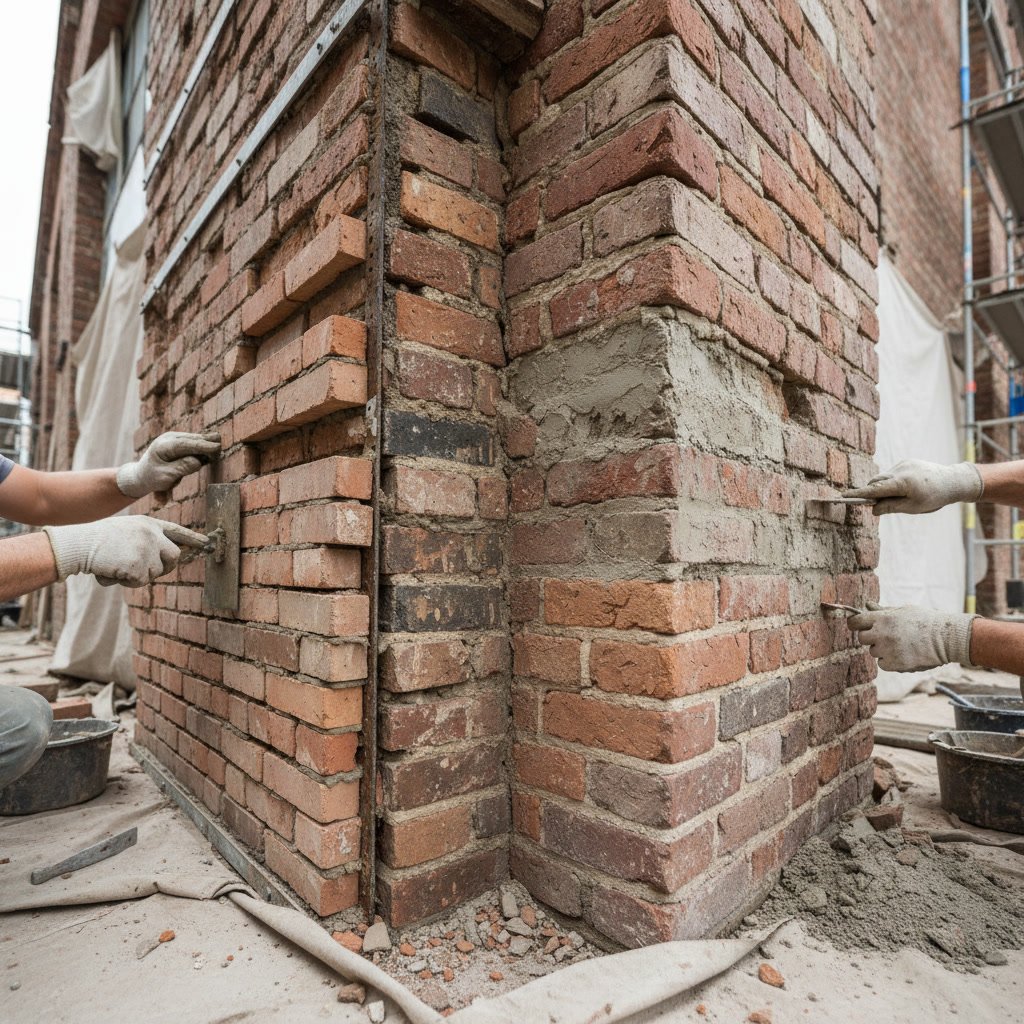
These products work similarly to penetrating sealers but are formulated specifically for the porosity and composition of mortar. They’re particularly valuable after tuckpointing work to protect the fresh mortar joints and extend the life of the repair.
Apply mortar joint sealers after completing any repointing work and allowing the new mortar to cure for at least 28 days. The sealer helps prevent premature deterioration caused by water absorption and freeze-thaw damage. Understanding the difference between tuckpointing and repointing helps you determine when mortar work needs sealing.
This approach makes sense for chimneys, retaining walls, and other masonry structures where mortar joints face severe exposure. It’s less critical for protected walls under deep eaves or in sheltered locations.
Clear Water Repellents vs Film-Forming Sealers
Understanding the distinction between water repellents and film-forming sealers helps you choose among the types of weatherproofing available. Water repellents (like silane/siloxane) change how water interacts with the surface by causing it to bead and run off, but they don’t create a visible coating.
Film-forming sealers create an actual layer on the surface that water cannot penetrate. This layer is visible and changes the appearance of the brick, usually adding a slight sheen or gloss depending on the product.
Water repellents maintain the natural look of brick and allow water vapor to escape from inside the wall. This breathability prevents moisture from getting trapped, which is critical in climates with temperature extremes like Missouri experiences.
Film-forming sealers offer maximum water resistance but reduce breathability. They’re appropriate for horizontal surfaces like concrete pavers or brick patios where water doesn’t need to escape through the surface. For vertical walls, breathable water repellents almost always perform better long-term.
Application Considerations
Water repellents require less surface preparation and can be applied with sprayers, rollers, or brushes. Film-forming sealers demand thorough cleaning and often need primers for proper adhesion. Consider the labor involved when comparing costs between different weatherproofing methods.
Combining Multiple Weatherproofing Methods
Comprehensive brick protection often requires using several types of weatherproofing together rather than relying on a single solution. The most effective approach addresses different vulnerability points with the appropriate method for each.
A typical professional weatherproofing plan includes caulking all penetrations and joints, applying penetrating sealer to the brick and mortar, and potentially adding elastomeric coating to areas with severe exposure like chimney tops. Each method complements the others without creating conflicts.
Start with structural repairs and proper mortar joints through brick restoration if needed. Next, seal all joints and penetrations with appropriate caulks. Finally, apply your chosen surface treatment whether that’s a penetrating sealer or coating.
Never apply incompatible products in layers. Some sealers prevent adhesion of subsequent coatings, and certain combinations can trap moisture or cause premature failure. Professional assessment ensures you’re using compatible products in the correct sequence.
Key Takeaway: The best weatherproofing strategy for your brick home depends on the age of your masonry, its current condition, and your specific exposure challenges. Combining targeted solutions typically outperforms relying on any single product.
Climate-Specific Considerations for St. Louis Area Homes
Missouri’s climate creates unique weatherproofing challenges that influence which methods work best. The region experiences hot, humid summers with temperatures above 90 degrees and cold winters that regularly drop below freezing, sometimes multiple times in a single week.
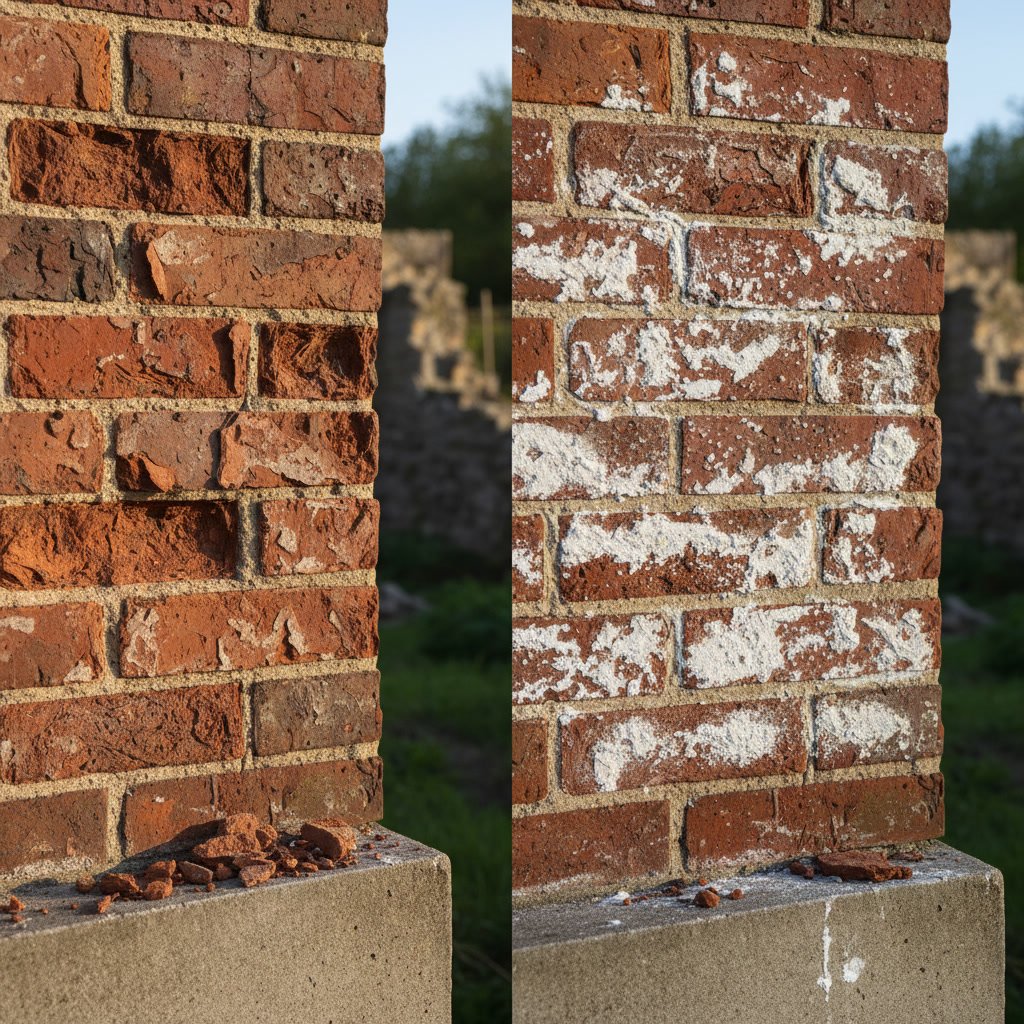
This freeze-thaw cycling is particularly destructive to brick. Water absorbed into brick or mortar expands when it freezes, creating internal pressure that causes cracking, spalling, and deterioration. Properties in areas like Webster Groves and Kirkwood with mature brick homes see this damage frequently.
Breathable weatherproofing becomes critical in this climate. Products that trap moisture can cause catastrophic damage during freeze-thaw cycles because the water has nowhere to go. Penetrating sealers that repel liquid water while allowing vapor transmission perform best in St. Louis conditions.
Heavy spring rains and severe thunderstorms throughout summer add another layer of challenge. Weatherproofing must handle sustained water exposure and wind-driven rain that forces moisture into tiny cracks and gaps. Thorough weatherproofing preparation becomes essential rather than optional.
When to Hire Professionals vs DIY Weatherproofing
Simple caulking tasks around a few windows fall within the skill range of most homeowners with basic tools. Larger weatherproofing projects involving sealers, coatings, or treatment of entire walls require professional equipment and expertise to avoid costly mistakes.
Improper application of sealers creates a false sense of security while allowing continued water damage. Too much product can create a surface film that peels and looks terrible. Too little leaves gaps in protection. Professionals use calibrated equipment to apply the manufacturer-specified coverage rate evenly.
Surface preparation makes the difference between weatherproofing that lasts a decade and treatment that fails in two years. Professionals know how to clean masonry properly without damage, identify repairs needed before sealing, and select products appropriate for your specific brick type and condition.
Complex projects involving multiple weatherproofing methods, work above one story, or treatment of damaged masonry should always involve qualified contractors. The cost of professional application is modest compared to the expense of failed weatherproofing and resulting water damage.
For homeowners concerned about chimney services and protection, professional assessment is particularly important since chimney weatherproofing often requires specialized approaches for different sections of the structure.
Frequently Asked Questions
How long does weatherproofing last on brick homes?
Penetrating sealers typically last 7 to 10 years, while elastomeric coatings can last 10 to 15 years with proper application. Caulking around windows and doors generally needs replacement every 5 to 10 years depending on sun exposure. The actual lifespan depends heavily on product quality, application method, and exposure conditions.
Can you apply weatherproofing over painted brick?
Yes, but your options are more limited. Penetrating sealers won’t work over paint since they need to soak into the masonry. You’ll need to use film-forming sealers or coatings designed for painted surfaces. Make sure the existing paint is in good condition and properly adhered before applying any weatherproofing products over it.
Does weatherproofing change the color of brick?
Quality penetrating sealers should not noticeably change brick color when dry, though they may darken it slightly when first applied. Film-forming coatings and some lower-quality sealers will darken brick and may add sheen or gloss. Always test products on an inconspicuous area first and ask to see examples of the contractor’s previous work on similar brick.
Should I weatherproof old brick or new brick?
Both benefit from weatherproofing, but the approach differs. New brick should cure for at least 28 days before treatment to allow excess moisture to escape. Old brick often needs restoration work before weatherproofing to address damaged mortar joints or deteriorated brick. Historic brick may require specialized products that meet preservation standards while still providing protection.
What is the best time of year to weatherproof brick in St. Louis?
Late spring and early fall offer the best conditions, with temperatures between 50 and 80 degrees and lower humidity. The brick must be completely dry before application, and you need 24 to 48 hours of dry weather afterward for proper curing. Avoid weatherproofing during summer’s extreme heat or when freezing temperatures are possible within 48 hours of application.
Protecting Your Investment
Choosing the right types of weatherproofing for your brick home protects your property value and prevents expensive water damage repairs. Penetrating sealers work for most applications, while specialized treatments like elastomeric coatings, targeted caulking, and mortar sealers address specific vulnerability points.
Massey Tuckpointing & Masonry has protected brick homes throughout the St. Louis area since 2002 with professional weatherproofing solutions tailored to each property’s needs. Our team evaluates your brick’s condition, identifies the best protection methods, and applies them correctly for lasting results.
If your brick home needs weatherproofing assessment or you’re unsure which approach fits your situation, contact us at +13142009488 to schedule a consultation. We serve homeowners throughout St. Louis City, St. Louis County, and Jefferson County with the expertise that comes from three generations of masonry experience.