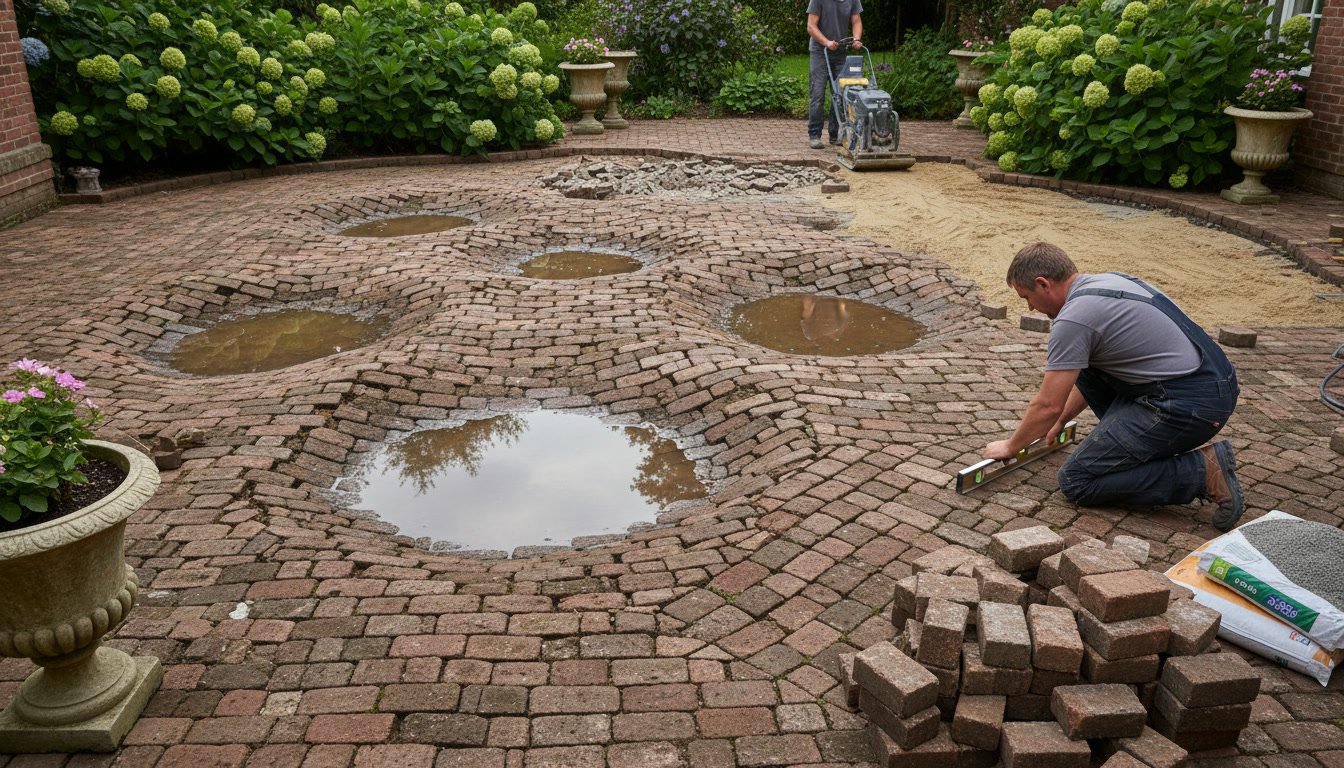
Brick patio sinking occurs when the base materials beneath the pavers shift, compact, or wash away, causing uneven surfaces and tripping hazards. Poor initial installation, inadequate drainage, and natural soil movement are the primary culprits. Professional masonry restoration can level the surface, rebuild the base, and prevent future settlement by addressing the root causes rather than just cosmetic symptoms.
How Outdoor Brick Surfaces Are Built to Stay Level
A properly constructed brick patio relies on multiple layers working together. The bottom layer is excavated soil, compacted to prevent future settling. Above that sits a gravel or crushed stone base, typically four to six inches deep, which provides drainage and structural support. A one-inch layer of bedding sand goes on top, creating a smooth surface for laying bricks. Each layer must be compacted and graded correctly, or the entire structure becomes vulnerable to movement.
When any of these layers fail, the bricks above them shift downward. The weight of foot traffic, outdoor furniture, and seasonal freeze-thaw cycles accelerates the process. What starts as a barely noticeable dip can become a major hazard within a few years if left unaddressed.
Why Poor Drainage Causes the Most Damage
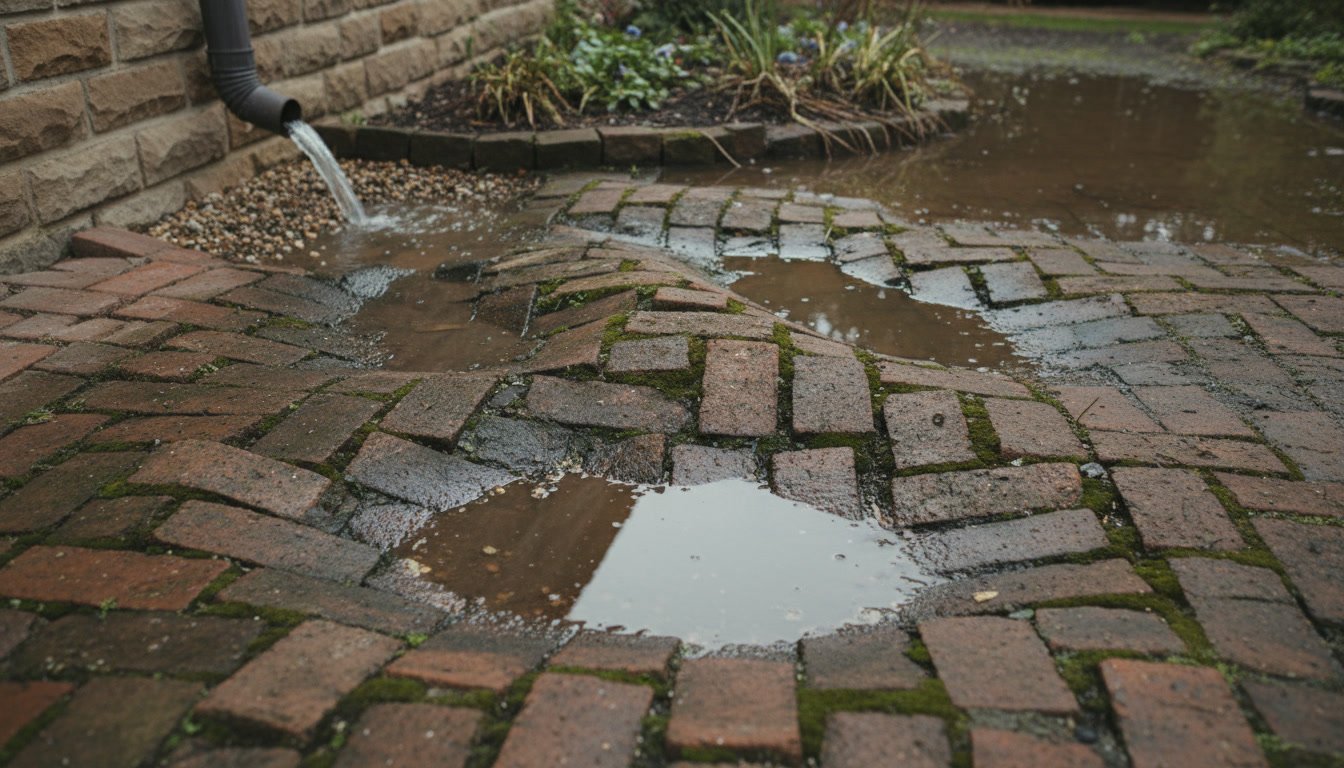
Water is the single biggest threat to brick patio stability. When rainwater pools on or beneath the surface, it erodes the sand bedding layer and washes away base materials. Over time, voids form beneath the bricks, creating hollow pockets where pavers eventually drop.
Proper grading directs water away from the patio surface. A slope of one-quarter inch per foot is the minimum standard. Patios built too flat or with reverse slopes trap water instead of shedding it. In regions with clay-heavy soil, poor drainage compounds the problem because clay expands when wet and contracts when dry, pushing and pulling the base in cycles.
The Role of Soil Type and Composition
Not all soil provides the same support. Sandy or gravelly soils drain well and compact predictably, making them ideal for hardscaping projects. Clay and organic soils, common throughout Missouri, behave differently. Clay holds moisture, swells, and shrinks with weather changes. Organic matter decomposes over time, leaving gaps beneath the base.
If the original excavation did not remove unstable soil and replace it with compacted fill, the patio will settle unevenly as the ground beneath it shifts. This is especially common in new construction, where builders backfill around foundations with loose dirt that takes years to fully compact.
How Freeze-Thaw Cycles Accelerate Settlement
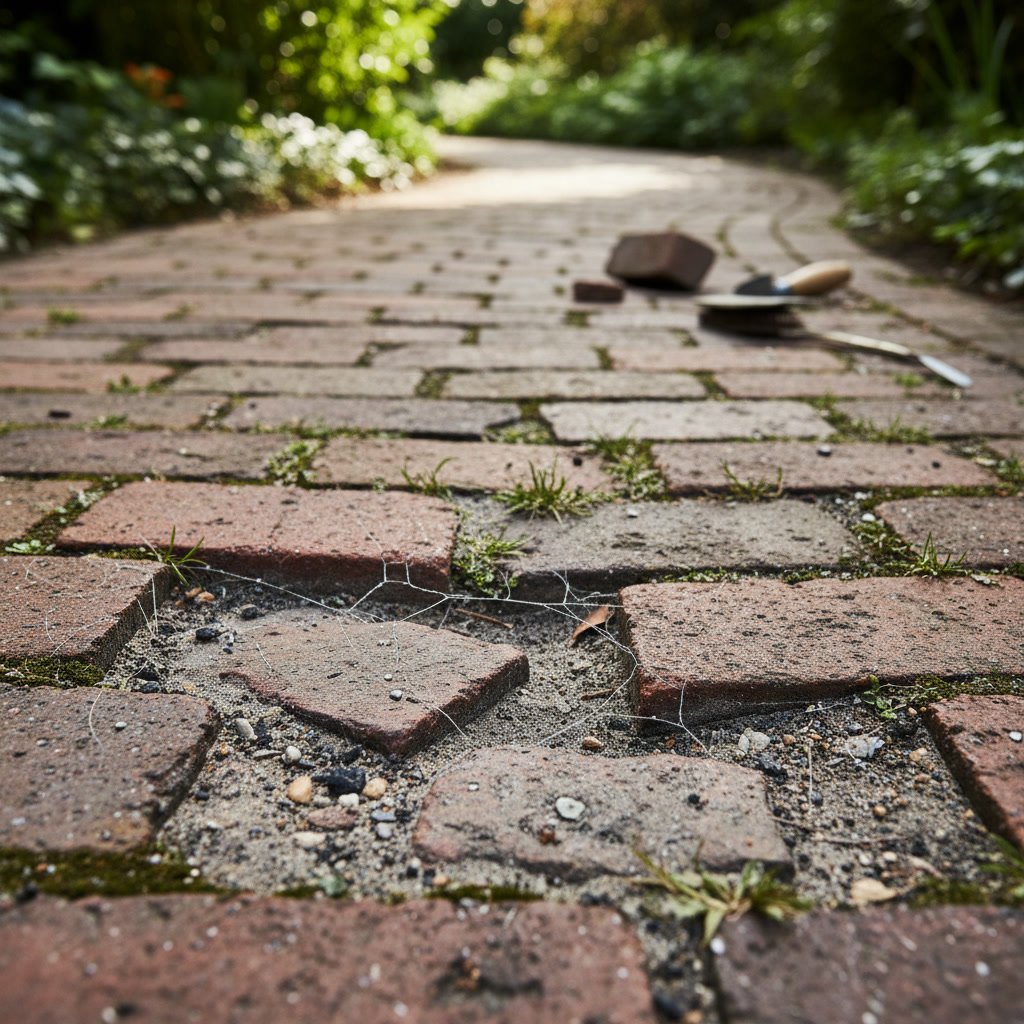
Missouri winters subject outdoor masonry to repeated freeze-thaw cycles. Water trapped in the base materials expands when it freezes, pushing pavers upward. When temperatures rise, the ice melts and the support disappears, leaving voids. The bricks drop into these voids, creating uneven surfaces.
This cycle repeats dozens of times each winter. Areas that hold moisture, such as low spots or sections near downspouts, experience the most dramatic heaving and settling. Over five to ten years, the cumulative effect can lower sections of a patio by several inches.
Signs Your Brick Patio Has a Structural Problem
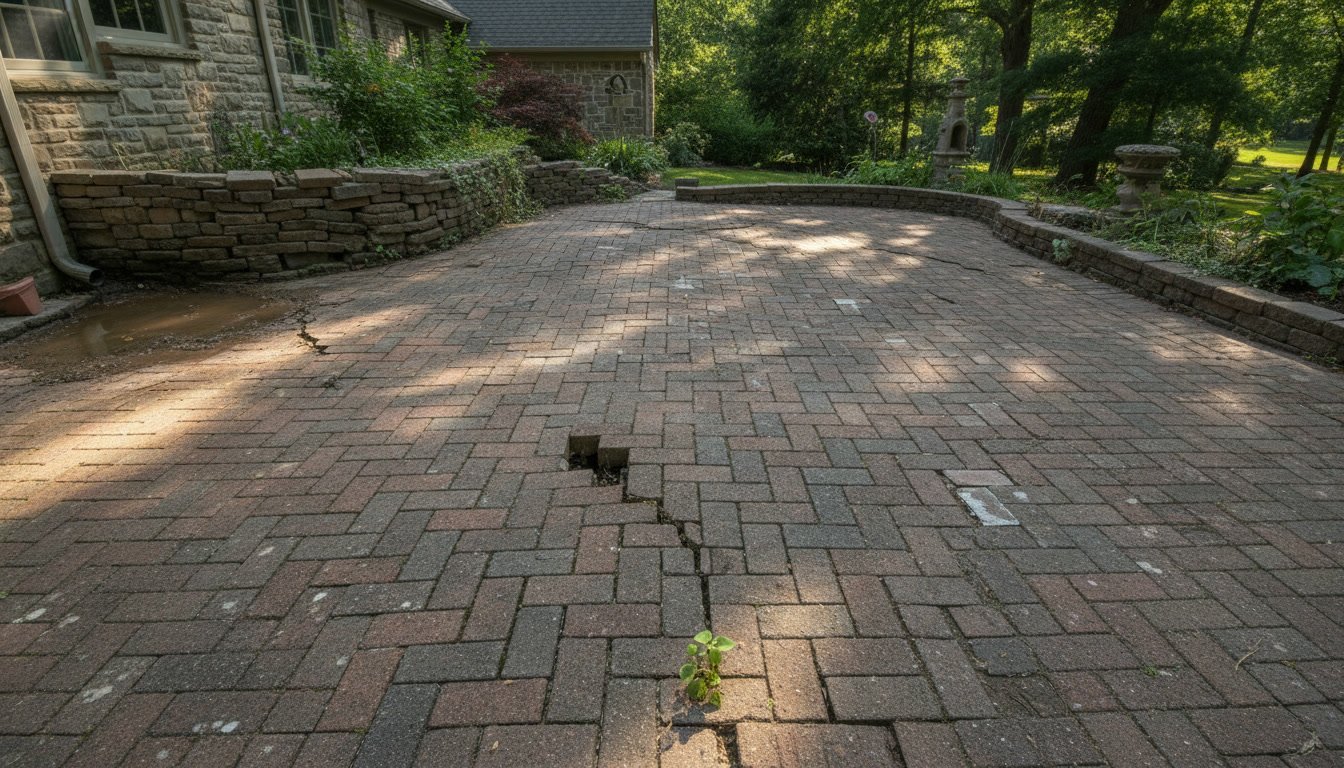
Uneven surfaces are the most obvious symptom, but other warning signs appear earlier. Look for widening gaps between pavers, bricks that rock or shift when stepped on, and pooling water that did not appear when the patio was new. Cracks running through multiple bricks in a line often indicate a deeper structural issue rather than isolated paver damage.
Edge pavers that tilt outward signal that the perimeter restraint has failed. Without proper edging, the entire patio spreads laterally, accelerating the breakdown of the base. If you notice these issues, the underlying problem will not resolve on its own and will worsen each season.
What Professional Restoration Involves for Sunken Patios
Fixing a sunken patio requires more than adding sand beneath a few loose bricks. A complete restoration starts by removing the affected pavers and inspecting the base layers. Contractors excavate and replace compromised base materials, re-compact the foundation, and correct drainage problems by adjusting the grade or adding drainage channels.
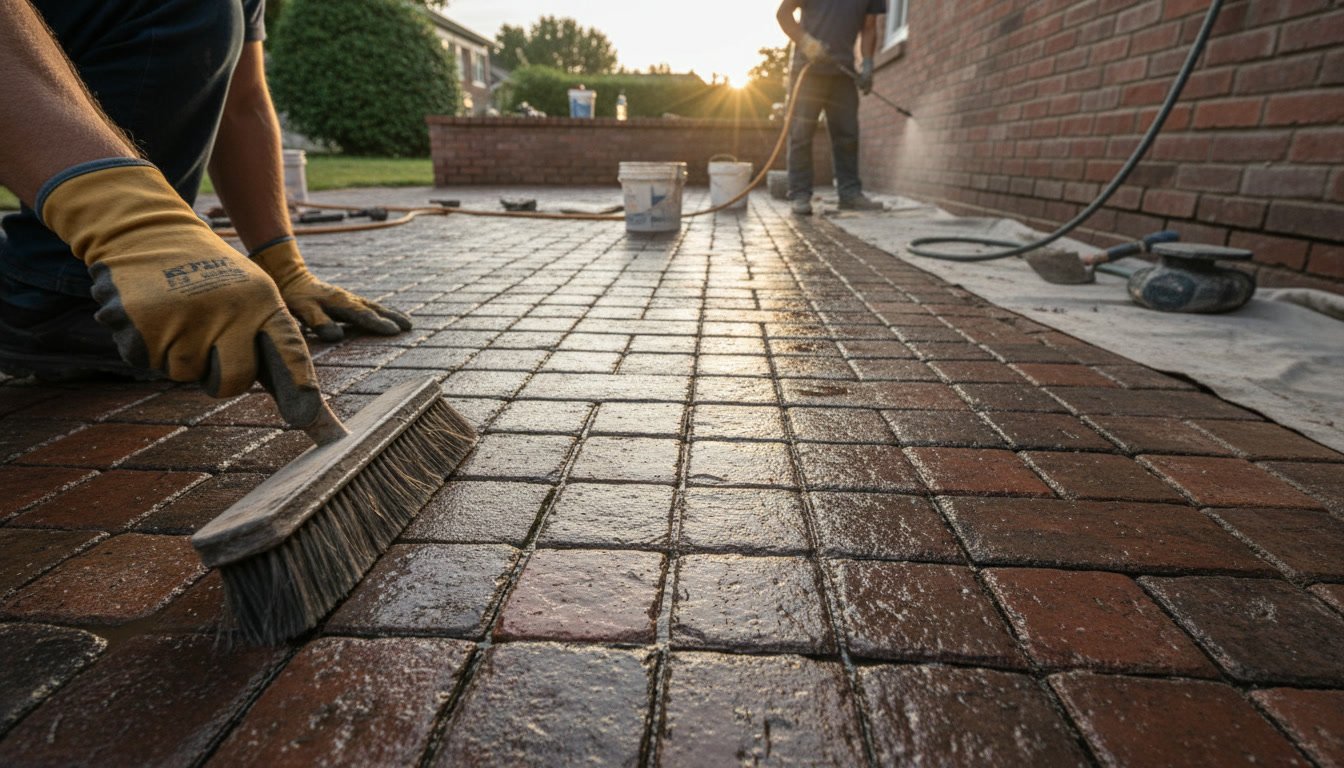
The bedding sand layer is re-screeded to create a smooth, level surface. Pavers are re-laid with proper joint spacing, and polymeric sand is swept into the gaps to lock everything in place. Edge restraints, such as steel or plastic paver edging, are installed or replaced to prevent future spreading. The entire process mirrors a new installation but with the advantage of diagnosing exactly what failed the first time.
Comparing Temporary Fixes to Permanent Solutions
Some homeowners attempt quick fixes by lifting individual bricks and adding sand beneath them. This approach addresses the symptom but ignores the cause. Within weeks or months, the same bricks sink again because the base erosion or compaction issue remains.
Slabjacking, a technique used for concrete patios, pumps material beneath the surface to lift it. While effective for solid slabs, it does not work well for segmental brick pavers because the individual units shift independently. Only a full base restoration provides a lasting repair. Cutting corners now leads to repeated repairs and higher total costs over time.
Preventing Future Settlement in Affton and Surrounding Areas
After restoration, ongoing maintenance extends the life of your patio. Re-apply polymeric sand every few years as it wears away, and inspect for new gaps or movement after heavy rains. Extend downspouts and gutters to discharge water at least six feet from the patio edge.
Trim back tree roots that push up from below. Even small roots can exert enough pressure to lift pavers over time. If your property has clay soil, consider installing a French drain or channel drain along the patio perimeter to intercept subsurface water before it reaches the base.
When Sealing and Weatherproofing Add Value
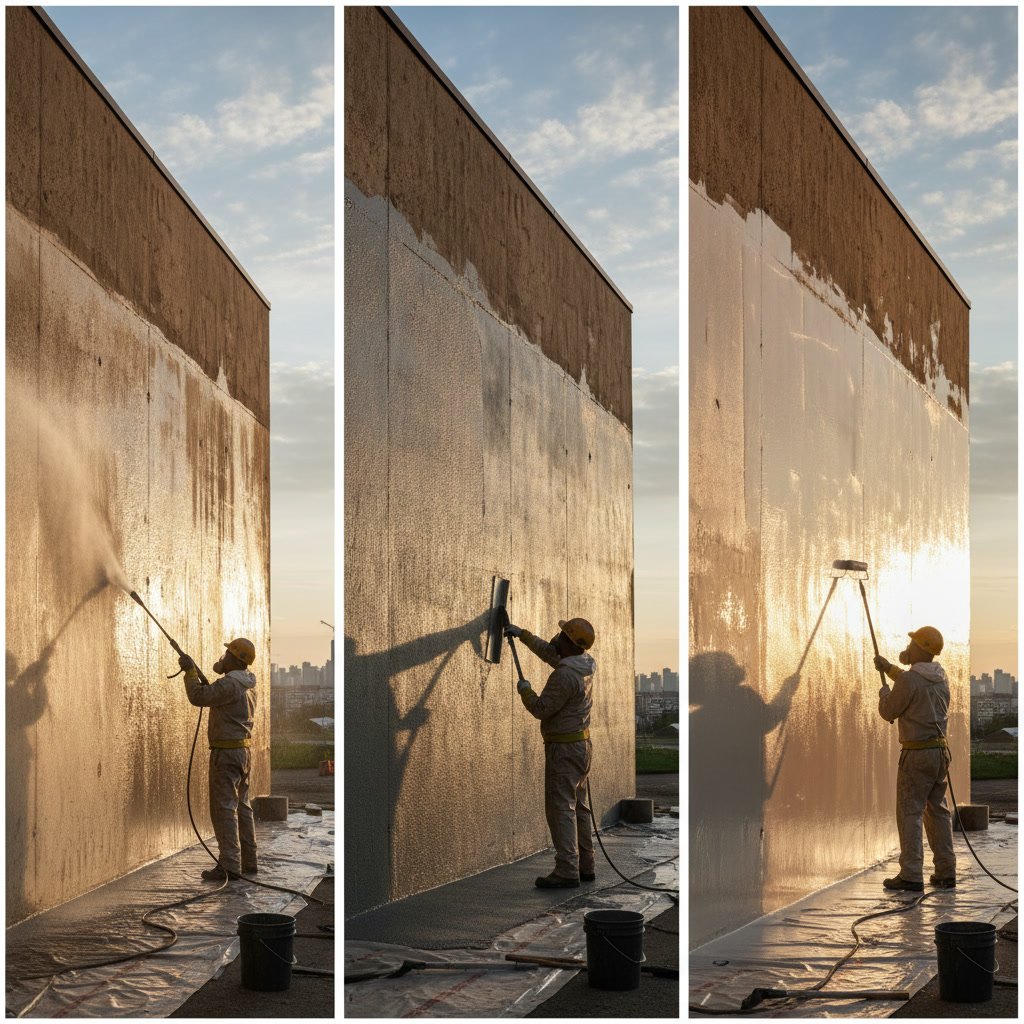
After leveling and re-laying the pavers, applying a high-quality sealer protects the surface from moisture penetration and staining. Sealing does not fix structural problems, but it does slow the rate at which water infiltrates the joints and bedding layer. For homeowners investing in a full restoration, sealing is a cost-effective way to protect that investment.
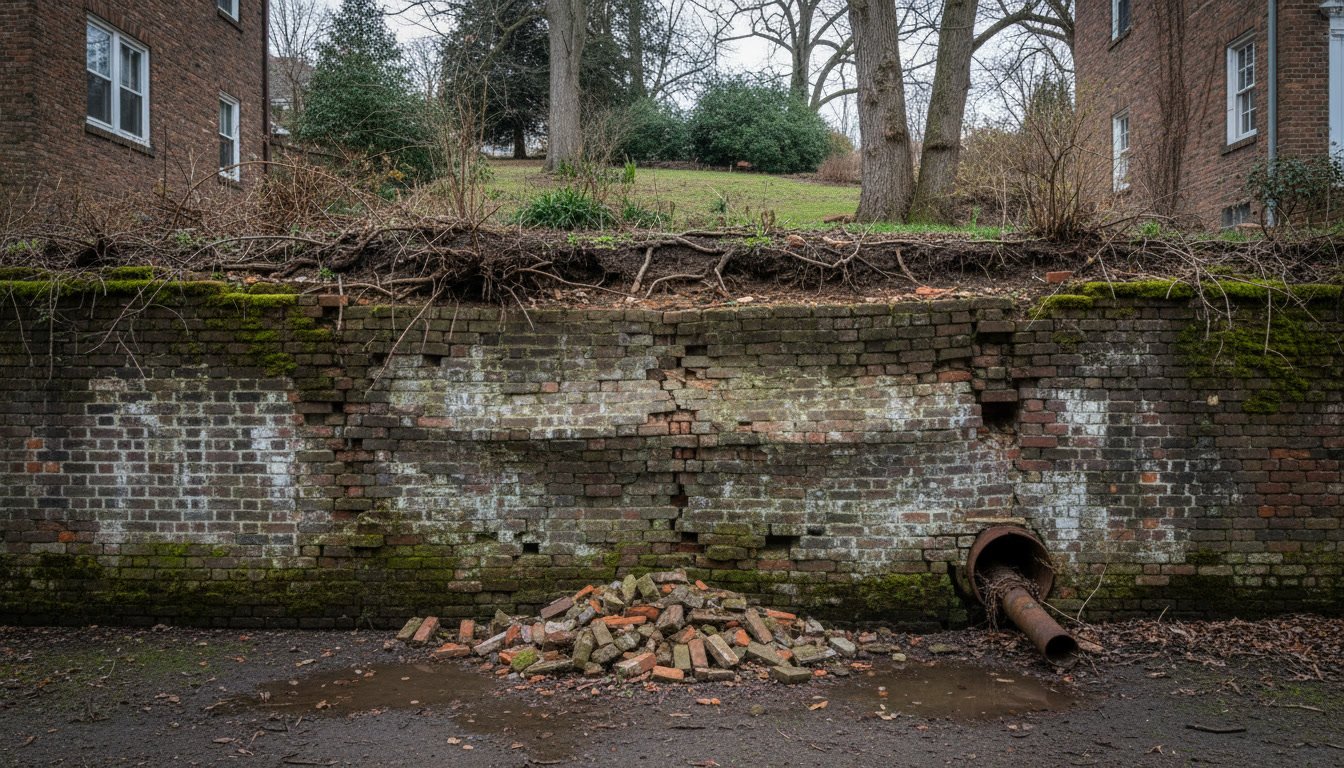
Professional weatherproofing services also address surrounding masonry, such as retaining walls and steps, which often suffer from the same drainage and freeze-thaw issues. A comprehensive approach prevents one repair from becoming a cycle of recurring problems across your property.
How Masonry Restoration Protects Your Home’s Value
A sunken, uneven patio is more than an eyesore. It poses a liability risk for trips and falls, and it signals deferred maintenance to potential buyers. Real estate appraisers and home inspectors flag damaged hardscaping, which can reduce your home’s market value or complicate a sale.
Restoring the patio before problems spread to adjacent structures, such as foundations or basement walls, protects your long-term investment. Water that pools near a sunken patio often finds its way into crawl spaces or basements, leading to far more expensive repairs. Addressing the issue early keeps the damage isolated and manageable. If you are also dealing with deteriorating masonry elsewhere on your property, comprehensive masonry restoration services can address multiple problem areas in a single project.
Restoring Stability to Your Outdoor Living Space
Brick patios settle and sink when base materials fail, drainage falters, or soil shifts beneath the surface. Temporary fixes mask the problem without addressing the underlying cause, leading to repeated repairs and worsening conditions. Professional restoration rebuilds the foundation, corrects drainage issues, and re-levels the surface for a lasting solution.
Understanding the root causes helps you make informed decisions and avoid shortcuts that waste time and money. Whether your patio has minor dips or severe settlement, the right repair approach restores safety, function, and curb appeal.
Massey Tuckpointing & Masonry has been serving homeowners throughout the Greater St. Louis area since 2002, providing expert diagnosis and lasting repairs for sunken brick patios and all types of masonry damage. If your outdoor space has become uneven or unsafe, a professional assessment will identify the cause and outline a permanent solution. Call +13142009488 to schedule an inspection and restore your patio to a safe, level condition.