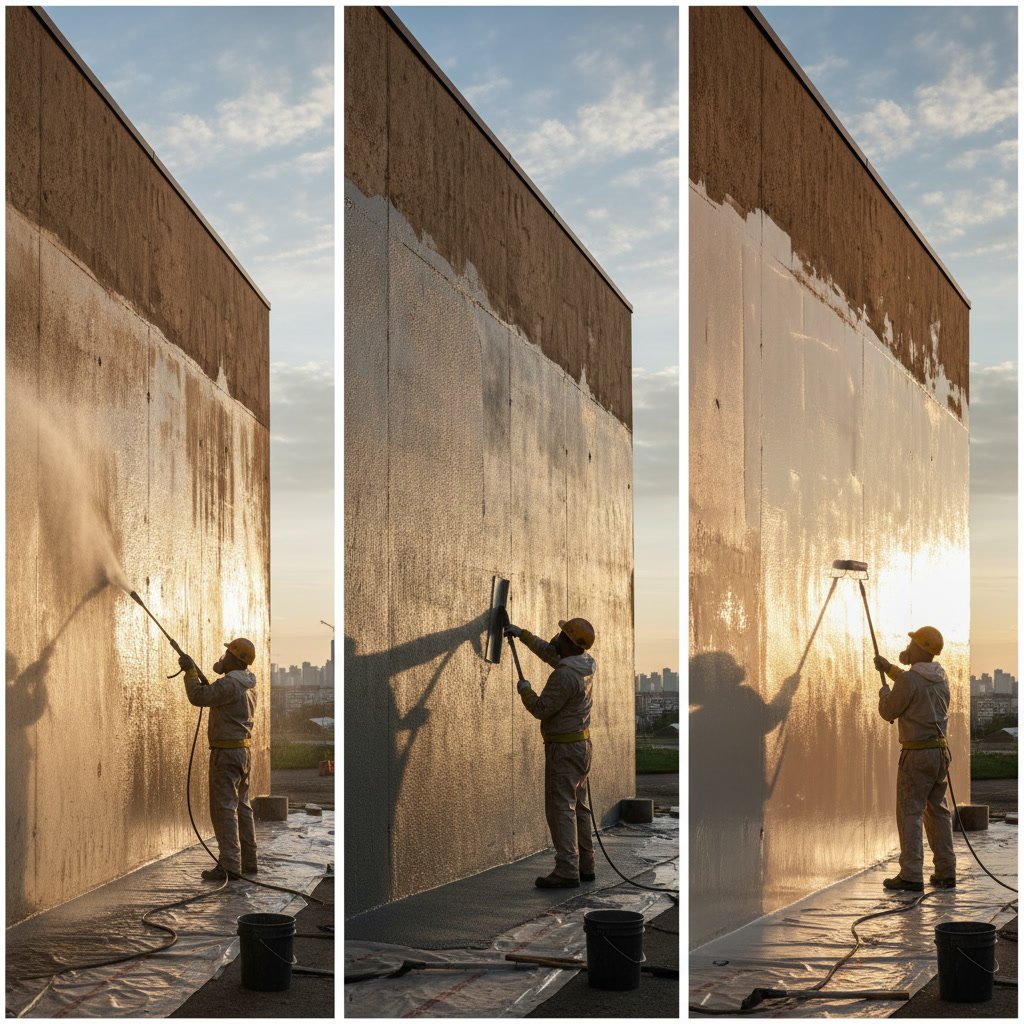
A professional weatherproofing application process involves systematic surface preparation, cleaning, repair work, and the strategic application of protective sealants designed to shield masonry from moisture penetration. The process typically spans two to five days depending on surface area, weather conditions, and the extent of pre-existing damage. Each phase builds upon the previous one to create a comprehensive moisture barrier that extends the life of brick, stone, and mortar by 15 to 25 years when properly maintained.
Missouri homeowners face unique weatherproofing challenges. The state’s dramatic temperature swings create freeze-thaw cycles that force moisture trapped in masonry to expand and contract, leading to cracks, spalling, and structural deterioration. Professional weatherproofing addresses these regional conditions with materials and techniques calibrated to local climate patterns.
Why Surface Preparation Determines Long-Term Protection
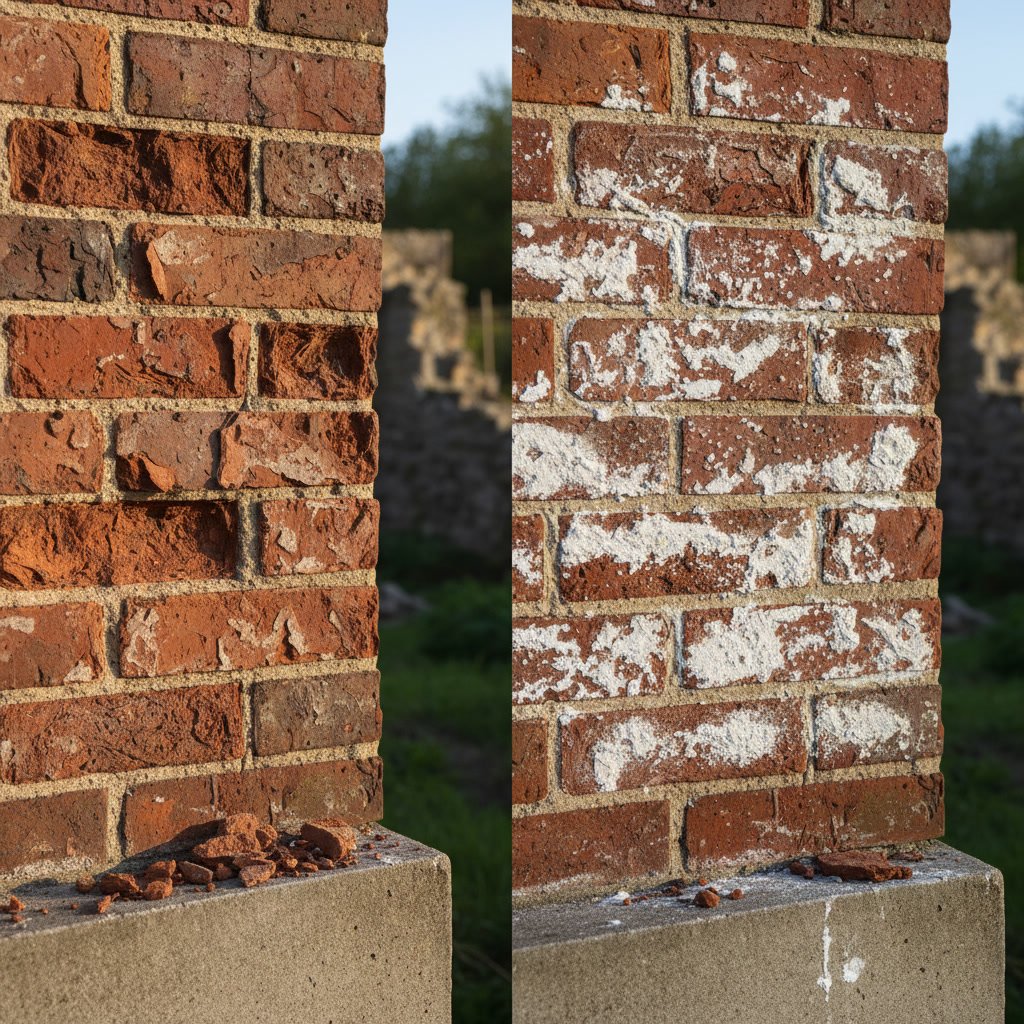
The longevity of any weatherproofing treatment depends entirely on surface preparation quality. Contractors who skip or rush this stage create conditions where sealants fail prematurely, often within 18 to 36 months instead of the expected 15 to 20 years. Proper preparation removes contaminants that prevent proper adhesion, including efflorescence salts, organic growth, old failing sealants, and loose mortar particles.
Professional teams use a combination of pressure washing at controlled PSI levels, chemical cleaners formulated for masonry, and mechanical brushing to achieve a clean, porous surface. The surface must dry completely before any sealant application, typically requiring 24 to 72 hours depending on humidity and temperature. Rushing this drying period traps moisture beneath the sealant, creating the exact problem weatherproofing is meant to prevent.
Identifying and Repairing Damage Before Sealing
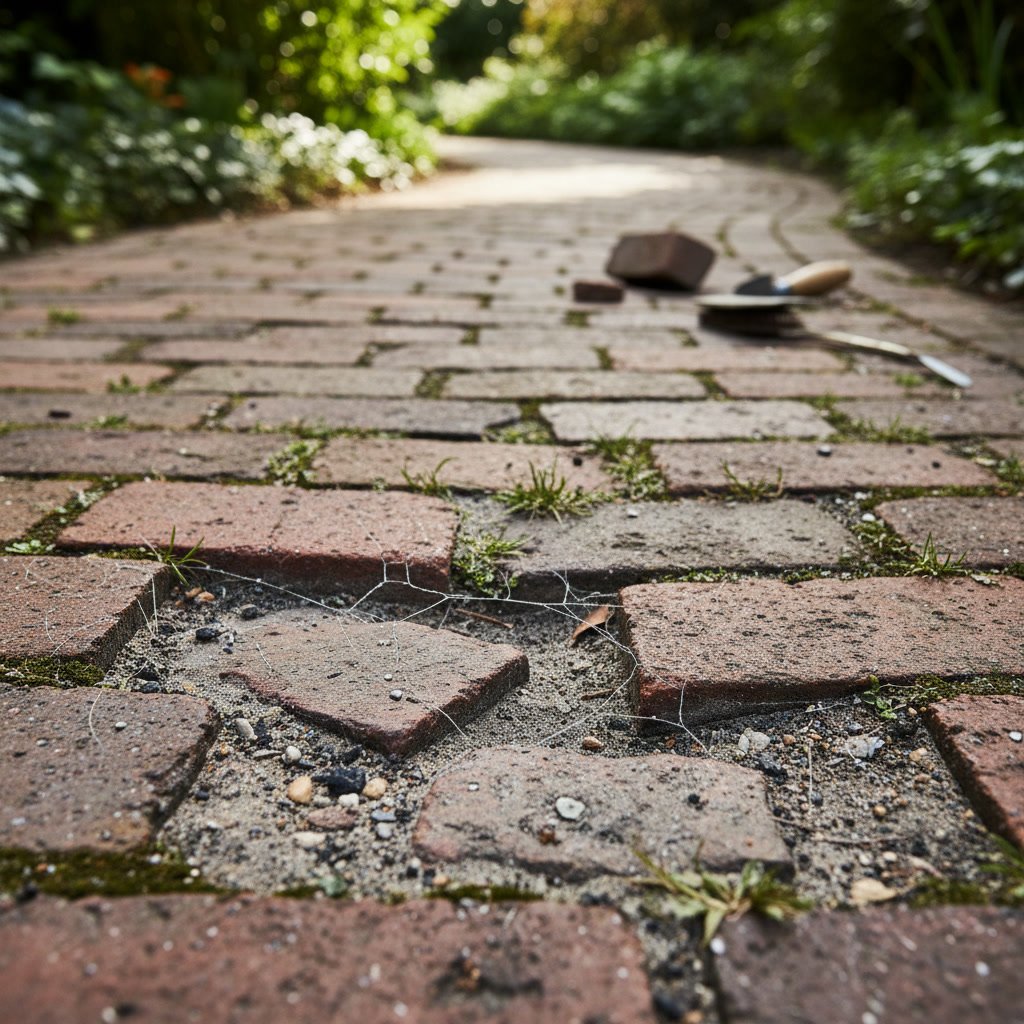
Applying weatherproofing over damaged masonry locks in existing problems and accelerates deterioration. Experienced contractors conduct thorough inspections to identify cracks wider than 1/16 inch, deteriorated mortar joints, spalling bricks, and gaps around penetrations. These issues require repair before any protective coating goes on.
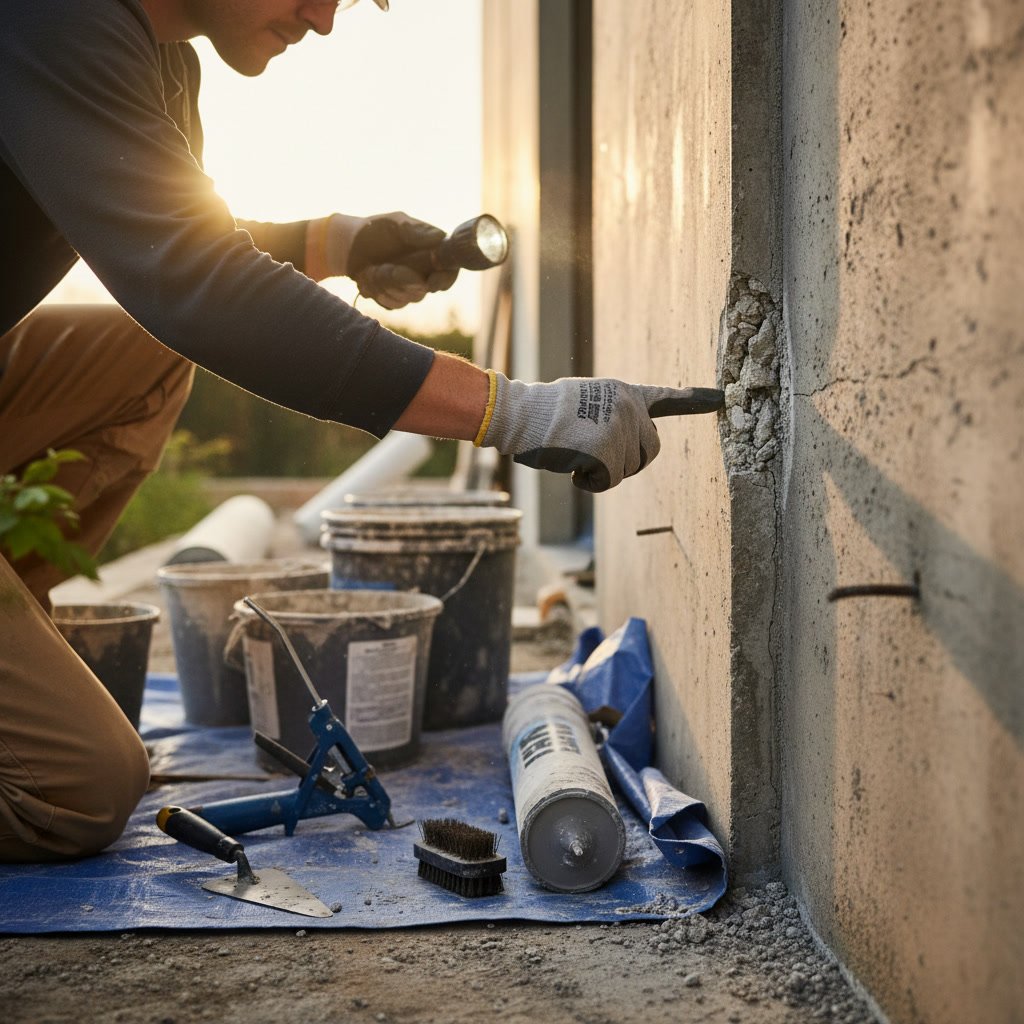
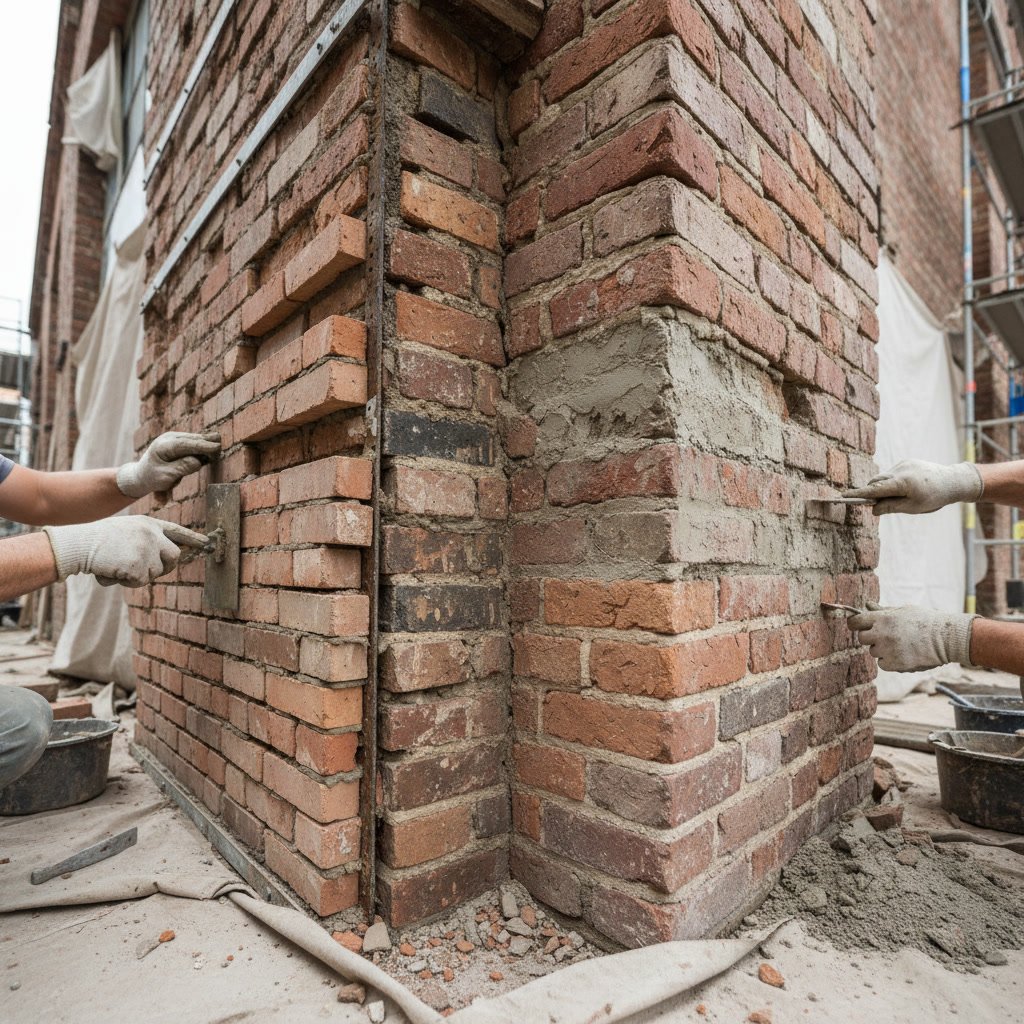
Minor cracks receive elastomeric fillers that move with seasonal expansion and contraction. Deteriorated mortar joints need tuckpointing to restore structural integrity and create a uniform surface for sealant application. Spalling bricks may require replacement if damage extends beyond the surface layer. This repair phase often reveals hidden moisture issues that, if left unaddressed, would compromise the entire weatherproofing investment.
How Professionals Test Surface Porosity and Moisture Content
Not all masonry surfaces accept weatherproofing products equally. Professionals use moisture meters to verify that substrate moisture content falls below manufacturer specifications, typically under 15 percent for most penetrating sealers. Applying sealant to wet masonry creates blistering, whitening, and adhesion failure.
Porosity testing determines which product formulation will work best. A simple water droplet test shows absorption rates. If water beads on the surface, previous sealants may still be active and require removal. If water absorbs too quickly, the surface may need a primer or a different sealer viscosity. These tests take minutes but prevent expensive callbacks and reapplication costs.
Selecting the Right Weatherproofing Product for Your Masonry
Three main categories of weatherproofing products serve different masonry types and exposure conditions. Penetrating sealers soak into the substrate and chemically bond within the pore structure, creating a hydrophobic barrier while allowing vapor transmission. Film-forming sealers create a surface coating that blocks moisture but can trap vapor if the substrate isn’t completely dry. Hybrid formulations combine both approaches for challenging applications.
Breathable sealers are critical for older masonry homes where interior moisture needs an escape route. Non-breathable products on vintage brick can force moisture to exit through interior walls, causing paint failure, plaster damage, and mold growth. Professional contractors match product chemistry to substrate age, composition, and exposure conditions rather than using one-size-fits-all solutions.
The Application Technique That Ensures Even Coverage
Professional teams apply weatherproofing products using low-pressure sprayers, specialized brushes, or rollers depending on surface texture and product viscosity. Spray application provides the most uniform coverage on large, relatively smooth surfaces. Brush application works better for heavily textured brick or areas with complex profiles where overspray would be problematic.
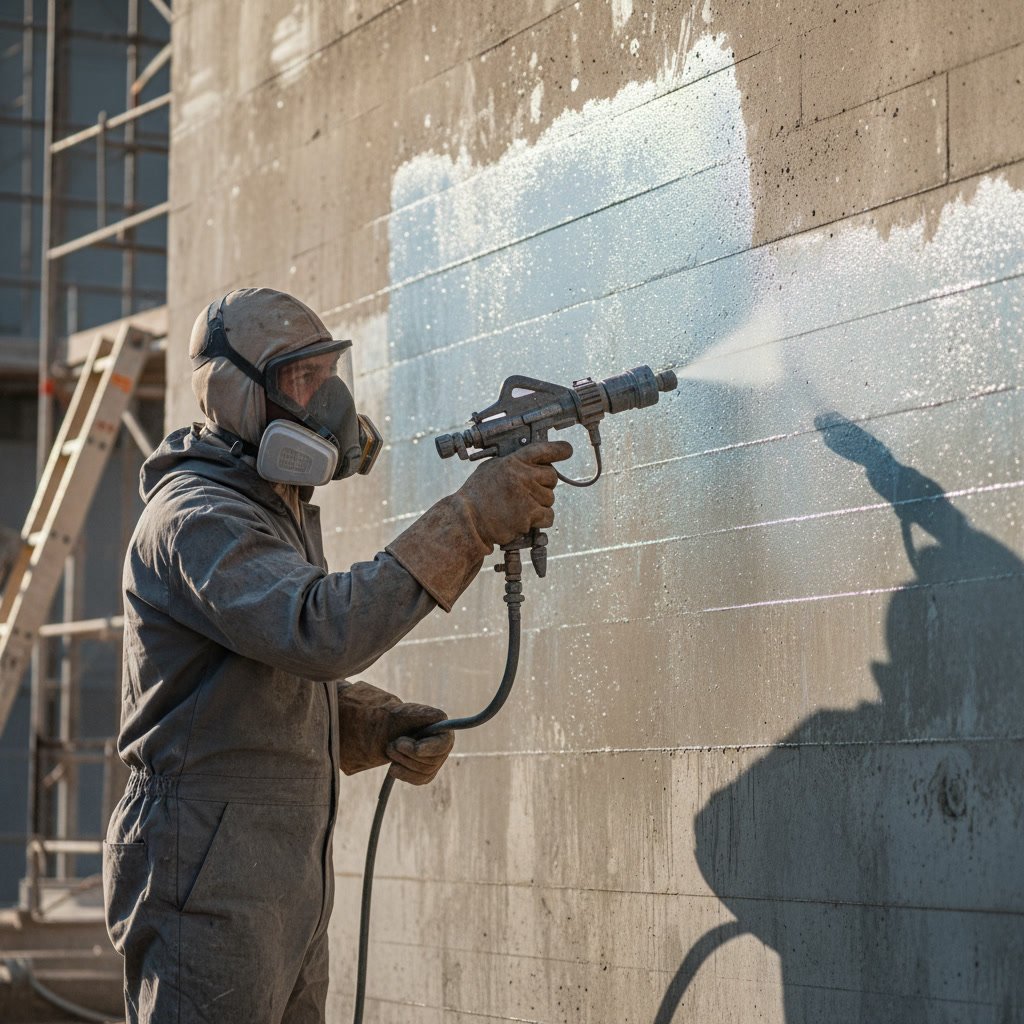
The key is achieving manufacturer-specified coverage rates, typically 100 to 200 square feet per gallon for penetrating sealers. Applying too little saves material costs but leaves gaps in protection. Applying too much wastes product and can create glossy patches or alter the masonry’s appearance. Experienced applicators work in consistent, overlapping passes and back-roll vertical surfaces to ensure the product fills pores rather than running down the wall.
Weather Windows and Temperature Requirements for Proper Curing
Most weatherproofing products require application temperatures between 40 and 90 degrees Fahrenheit, with no rain forecast for 24 to 48 hours after application. These narrow weather windows make scheduling critical, especially during Missouri’s unpredictable spring and fall seasons. Professional contractors monitor forecasts closely and sometimes reschedule work to ensure proper curing conditions.
Temperature affects both application characteristics and long-term performance. Cold weather slows curing and can prevent proper penetration. Hot weather causes rapid evaporation before the product fully penetrates, leaving surface residue instead of deep protection. Humidity also matters because high moisture content in the air slows drying and can dilute certain water-based formulations during application.
Additional Protection Steps in Affton and Greater St. Louis
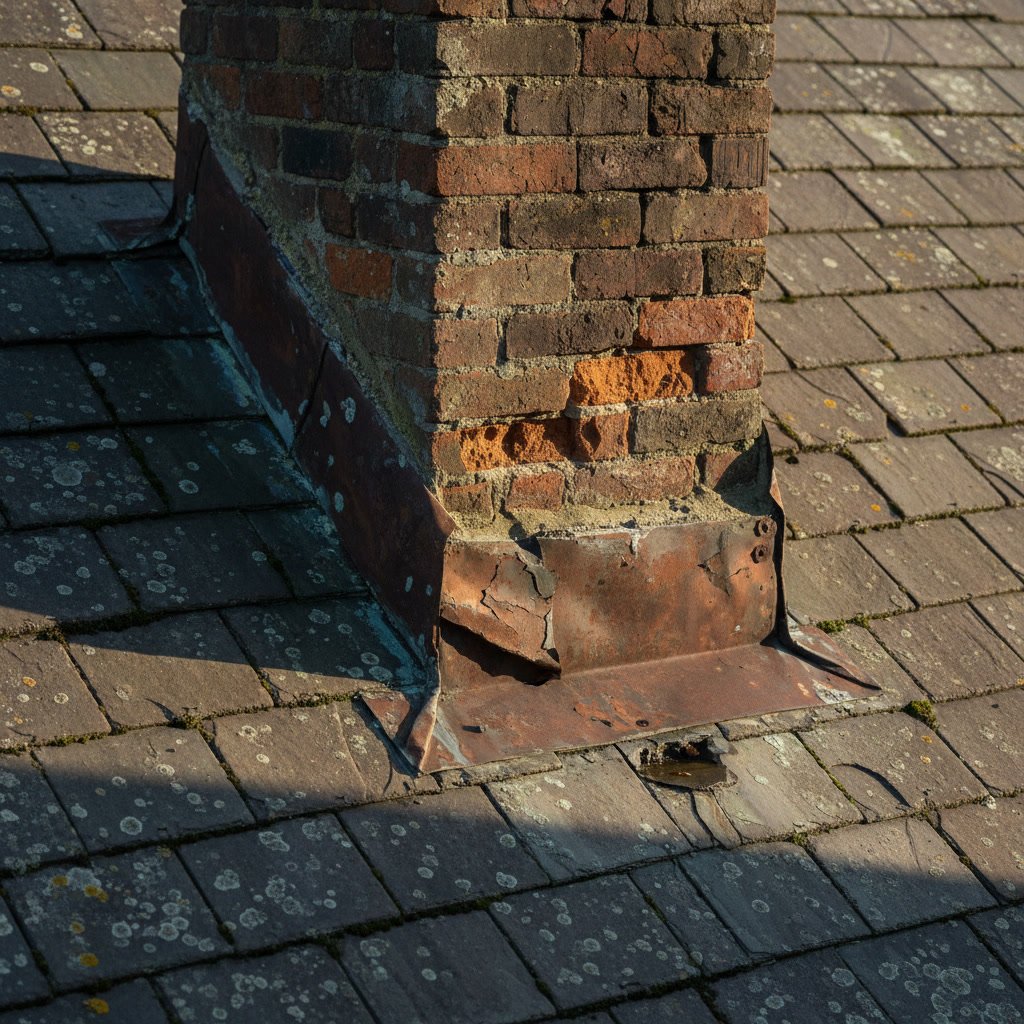
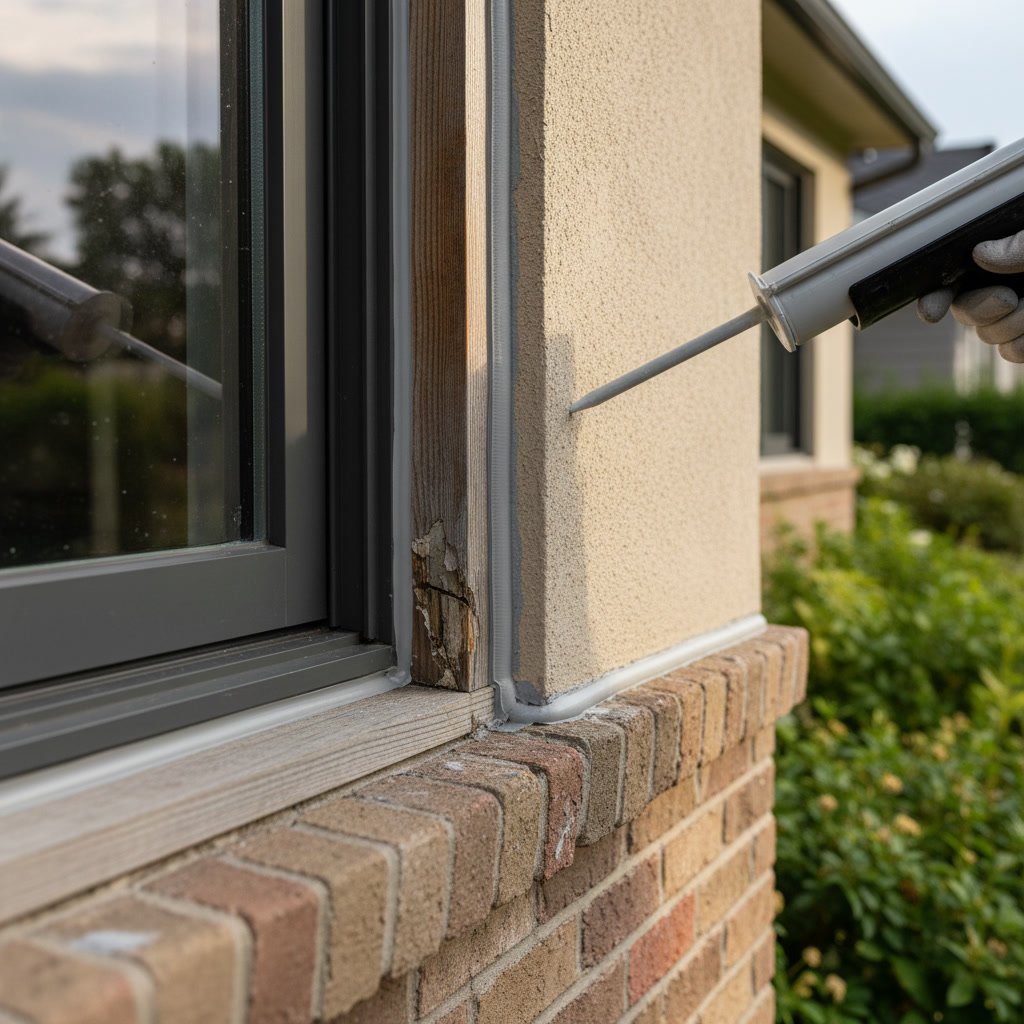
Regional conditions in the St. Louis area often require supplementary protective measures beyond standard weatherproofing. Window and door caulking creates a secondary defense line at the most vulnerable penetration points where water typically finds entry. Chimney caps and crown repairs prevent water from entering through the top of masonry structures, where gravitational flow accelerates deterioration.
Homes in areas with mature tree canopy face unique challenges from organic debris, shade-related moisture retention, and root activity affecting foundation walls. These properties often benefit from anti-microbial additives in weatherproofing formulations to prevent algae and moss growth that compromises sealant integrity. Understanding different weatherproofing approaches helps homeowners make informed decisions about which protective measures their specific situation requires.
Quality Checks During and After Application
Professional contractors perform multiple quality verification steps throughout the application process. Visual inspection confirms uniform coverage without missed spots, drips, or over-application. Water bead testing after initial cure demonstrates proper hydrophobic function. These checks happen in stages rather than waiting until the project ends, when corrections become more difficult and expensive.
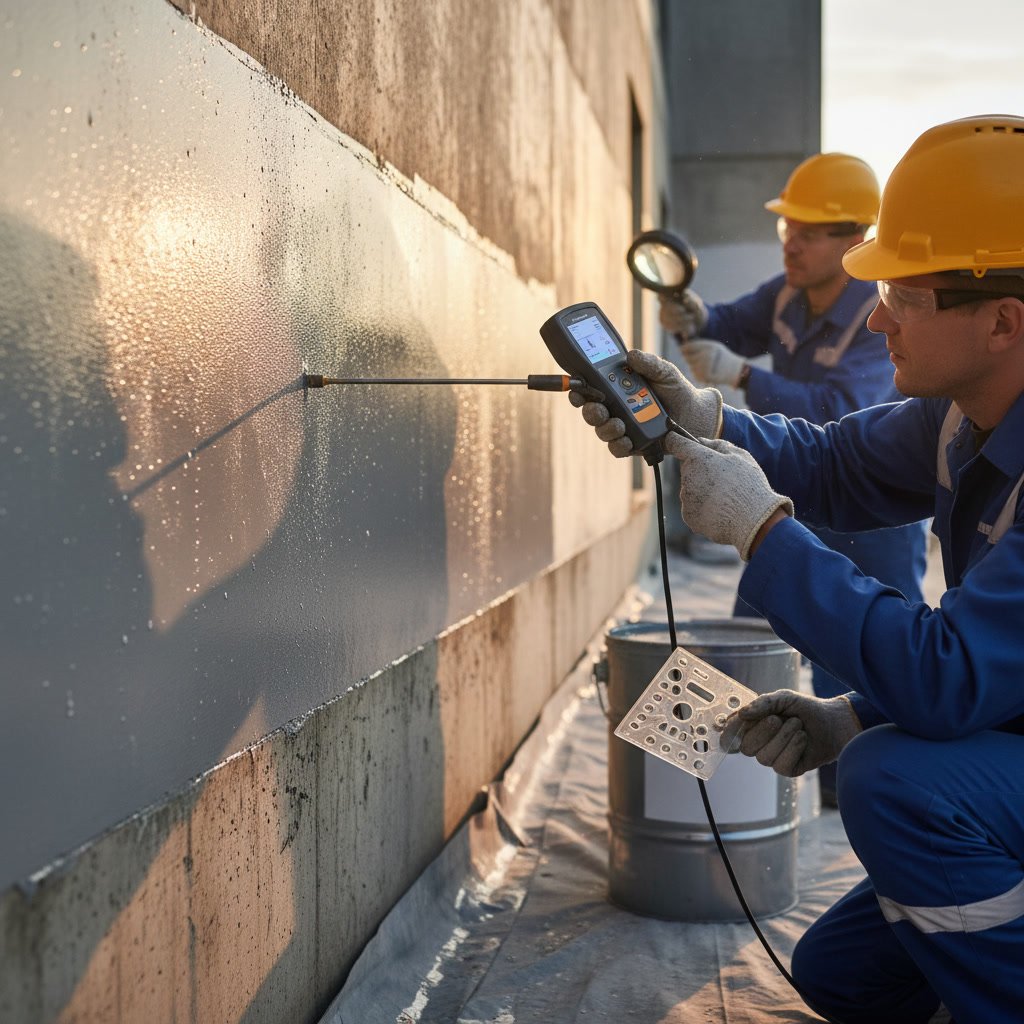
The most revealing quality check happens months after application, during the first significant rain event. Properly weatherproofed masonry sheds water immediately, with no dark moisture staining or slow absorption. Many contractors schedule follow-up inspections after the first heavy rain to verify performance and address any concerns before warranty periods begin.
The Final Cure Period and When Protection Becomes Active
Initial surface dryness occurs within hours, but full cure takes seven to 30 days depending on product chemistry, temperature, and humidity. During this period, the chemical bonding process continues within the masonry pores, building strength and hydrophobic properties. Some moisture protection begins immediately, but maximum performance requires complete curing.
Homeowners should avoid power washing, applying additional coatings, or disturbing the surface during cure time. Light rain won’t damage fresh applications, but heavy storms within the first 24 hours can wash away product before it fully bonds. This is why weather forecasting plays such a critical role in scheduling professional weatherproofing work.
Maintenance Requirements That Extend Weatherproofing Life
Even the highest quality weatherproofing requires periodic maintenance to deliver its full service life. Annual inspections identify early signs of wear, particularly around high-exposure areas like south-facing walls, corners, and areas near roof drainage. Cleaning away debris, addressing new cracks promptly, and maintaining proper drainage around foundations all contribute to weatherproofing longevity.
Most professional-grade weatherproofing products require reapplication every 10 to 20 years, depending on exposure conditions and product type. Signs that reapplication time approaches include water absorption rather than beading, darker coloration during rain, and efflorescence reappearing on previously sealed surfaces. Catching these indicators early allows for proactive resealing before moisture causes structural damage.
Protecting Your Investment with Professional Expertise
The weatherproofing application process requires specialized knowledge, proper equipment, and experience reading masonry conditions that aren’t obvious to untrained observers. Professional contractors bring calibrated moisture meters, commercial-grade application equipment, and access to contractor-only products with superior performance compared to retail alternatives. More importantly, they carry insurance that protects homeowners if application errors cause damage.
Understanding each phase of the weatherproofing process helps property owners recognize quality work and ask informed questions during contractor selection. The difference between a 20-year protective barrier and a three-year failure often comes down to details in surface preparation, product selection, and application technique that only become apparent years after the work concludes.
Massey Tuckpointing & Masonry has protected homes throughout the St. Louis region since 2002, applying weatherproofing systems designed for Missouri’s demanding climate. Our systematic approach addresses every phase from initial assessment through final cure verification, ensuring your masonry investment receives protection that lasts. Contact us at +13142009488 to schedule a weatherproofing consultation and protect your home before the next freeze-thaw cycle begins.