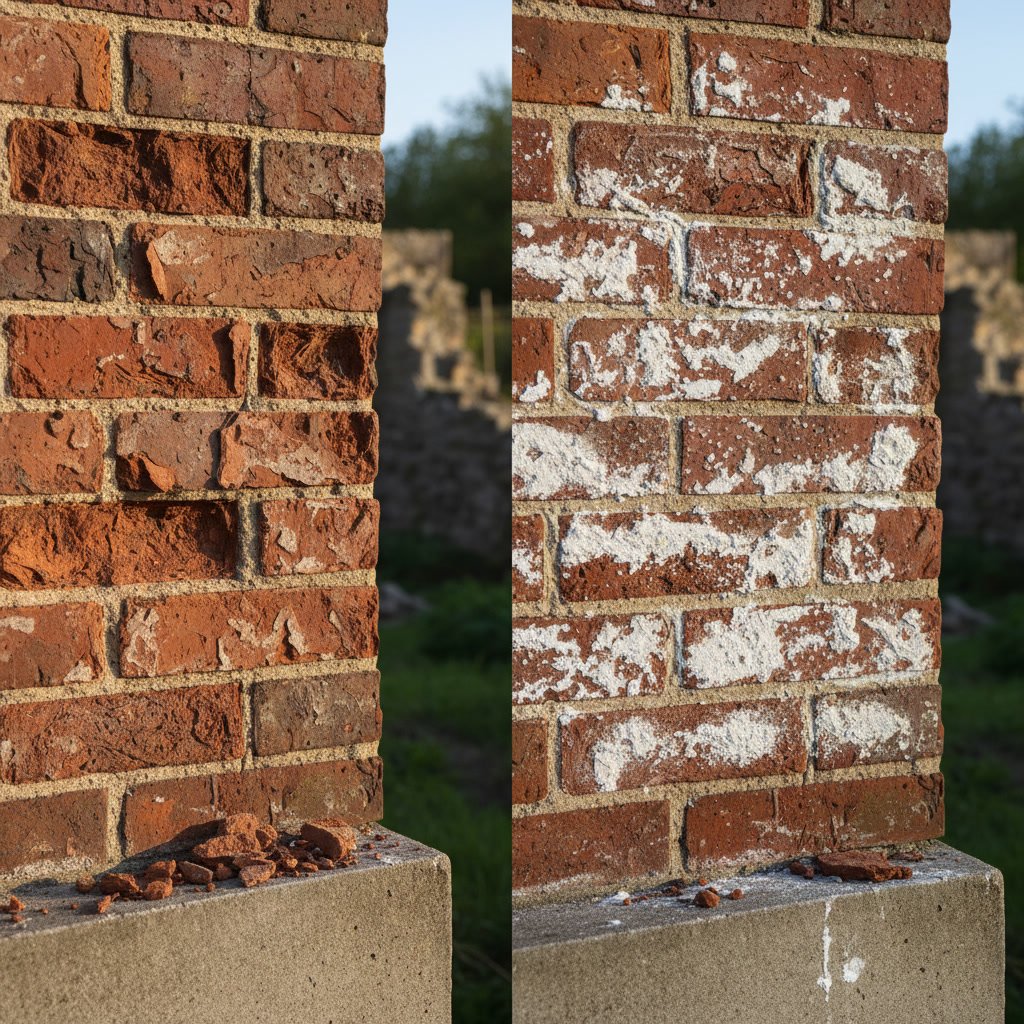
Brick spalling and efflorescence are two distinct masonry problems that homeowners often confuse because both appear as surface changes on brick walls. Brick spalling vs efflorescence comes down to this: spalling involves the physical deterioration and flaking of the brick surface itself, while efflorescence is a crystalline salt deposit that appears as a white, powdery substance on the brick face. Spalling threatens the structural integrity of your masonry, while efflorescence primarily signals a moisture issue that needs addressing before it causes deeper damage.
Both conditions share a common root cause in moisture infiltration, but they require different repair approaches. Identifying which problem affects your walls determines whether you need surface cleaning, comprehensive brick replacement, or preventive moisture control measures.
Why Brick Walls Develop Surface Problems
Brick walls face constant exposure to rain, snow, freeze-thaw cycles, and ground moisture that gradually penetrates the masonry system. Most brick problems stem from water entering through compromised mortar joints, missing or damaged flashing, or inadequate drainage at the foundation level.
The porous nature of brick and mortar naturally absorbs moisture. Problems arise when this moisture cannot evaporate properly or when the volume of water entering the wall exceeds what the materials can safely handle. Over time, trapped moisture initiates chemical and physical reactions that manifest as visible surface damage.
What Efflorescence Looks Like and Why It Forms
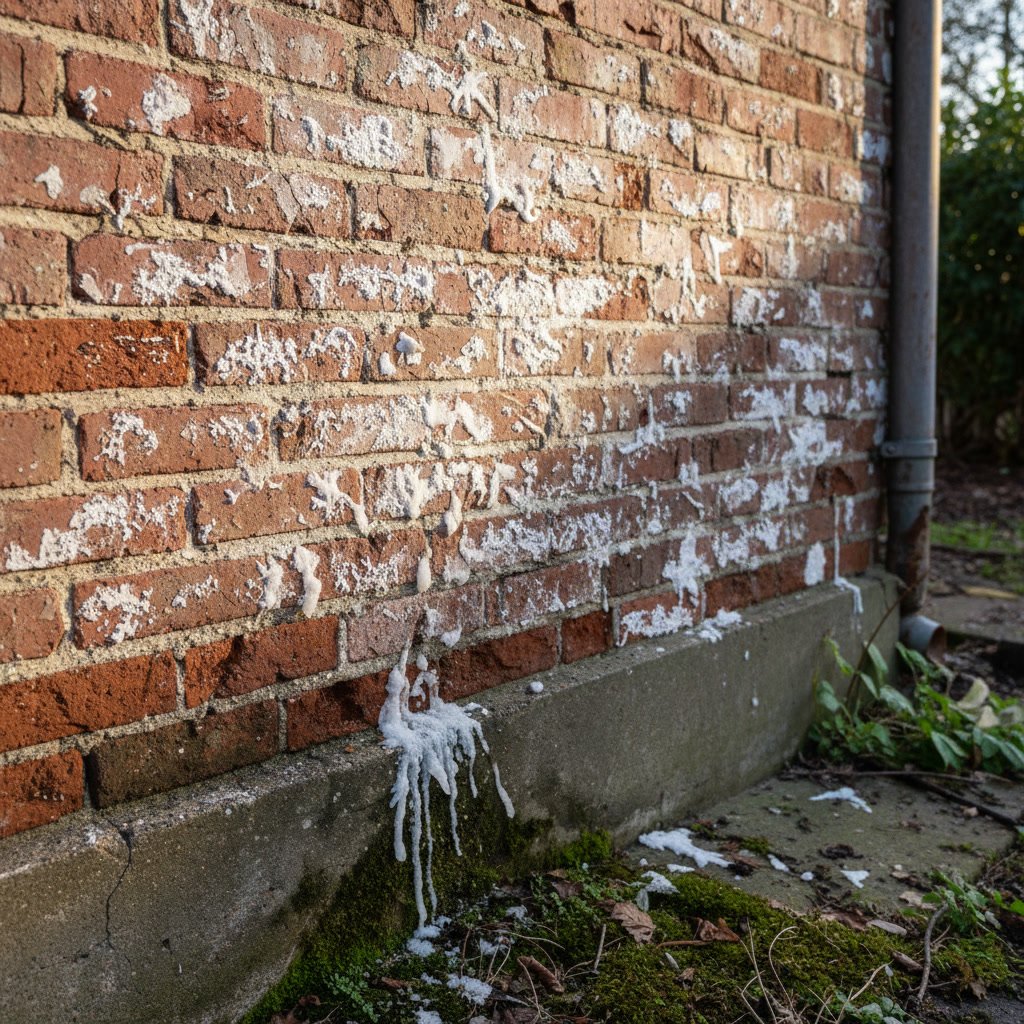
Efflorescence appears as white, gray, or sometimes yellowish crystalline deposits on brick surfaces. The powder or crust forms when water-soluble salts within the brick, mortar, or surrounding soil dissolve in moisture, migrate to the surface through capillary action, and crystallize as the water evaporates.
You will typically see efflorescence most heavily after rain or in areas with poor drainage. The deposits often concentrate near ground level, around foundation walls, or on chimney exteriors where moisture exposure runs highest. While efflorescence itself does not damage the brick, it signals that water is moving through your masonry system, which can lead to more serious problems if left unaddressed.
Recognizing the Signs of Brick Spalling
Spalling occurs when the face of the brick begins to peel, pop off, or flake away in layers. You might notice small chips at first, but spalling typically progresses to larger sections of the brick face breaking away, leaving pitted, rough surfaces or exposing the softer inner core of the brick.
Advanced spalling creates deep pockets in the brick and can compromise the structural integrity of the wall. Unlike efflorescence, which you can often brush away, spalled brick shows permanent physical damage. The deterioration commonly appears in horizontal bands at certain heights on the wall, particularly where water tends to collect or freeze.
The Science Behind Spalling Damage
Spalling happens through a process called freeze-thaw cycling. Water enters the brick through small cracks or pores, then freezes when temperatures drop. Frozen water expands by approximately 9%, creating internal pressure that exceeds the tensile strength of the brick. Repeated freeze-thaw cycles progressively weaken the brick structure until the face layer separates.
Lower-quality bricks with higher absorption rates spall faster than dense, well-fired bricks. Brick manufactured before the 1950s often used softer clay formulations that prove more vulnerable to spalling. The orientation of the brick also matters since water penetrates end-grain surfaces more easily than face surfaces.
Key Differences Between Spalling and Efflorescence in Affton
The critical distinction lies in permanence and severity. Efflorescence represents a cosmetic issue and moisture warning sign, while spalling constitutes actual material failure requiring brick restoration or replacement. Efflorescence disappears with proper cleaning and moisture control, but spalled brick cannot be reversed.
Texture provides an immediate diagnostic clue. Run your hand over efflorescence and you will feel powdery deposits that brush away, leaving the brick surface intact underneath. Touch spalled brick and you will feel rough, uneven surfaces with missing material that exposes the brick’s interior layers.
Step-by-Step Visual Inspection Guide
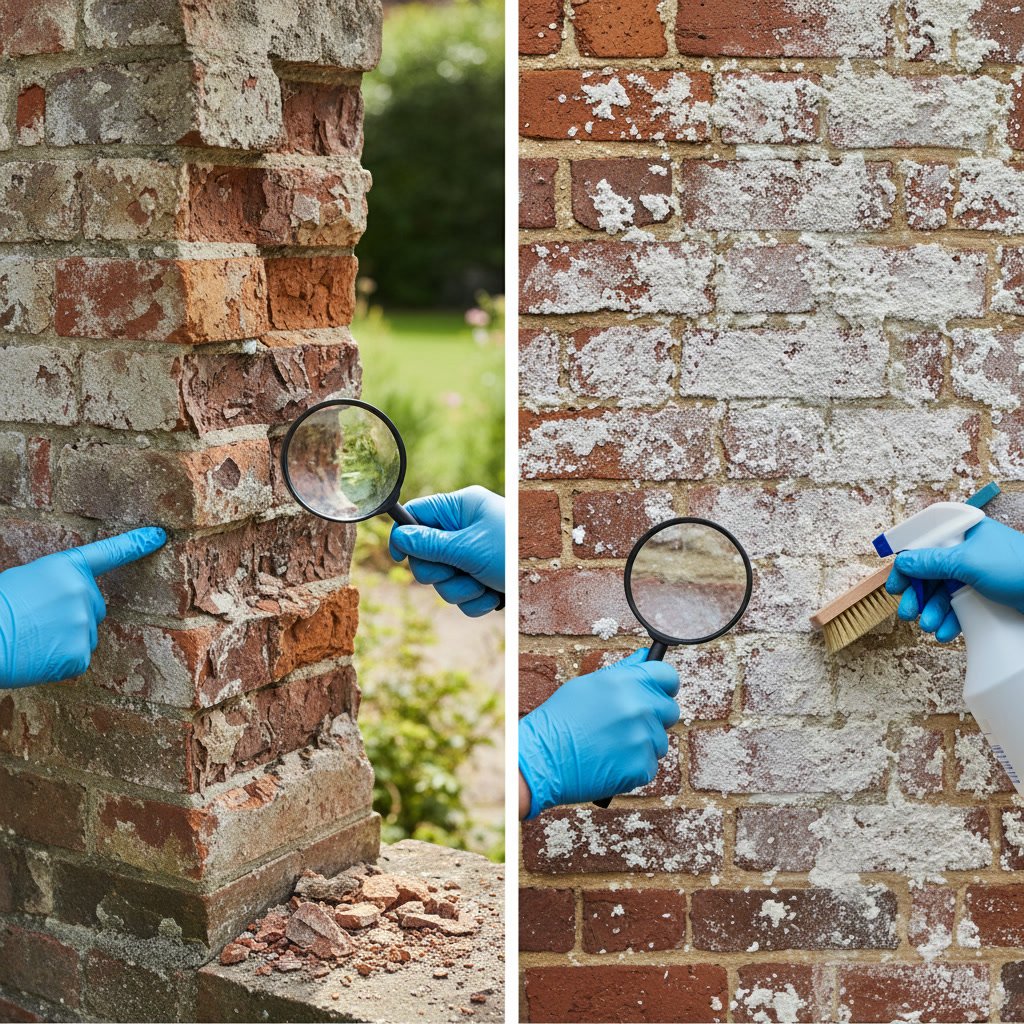
Start your inspection by walking the entire perimeter of your home during dry weather. Look for white or chalky deposits, surface irregularities, and areas where brick appears darker or stays damp longer than surrounding sections.
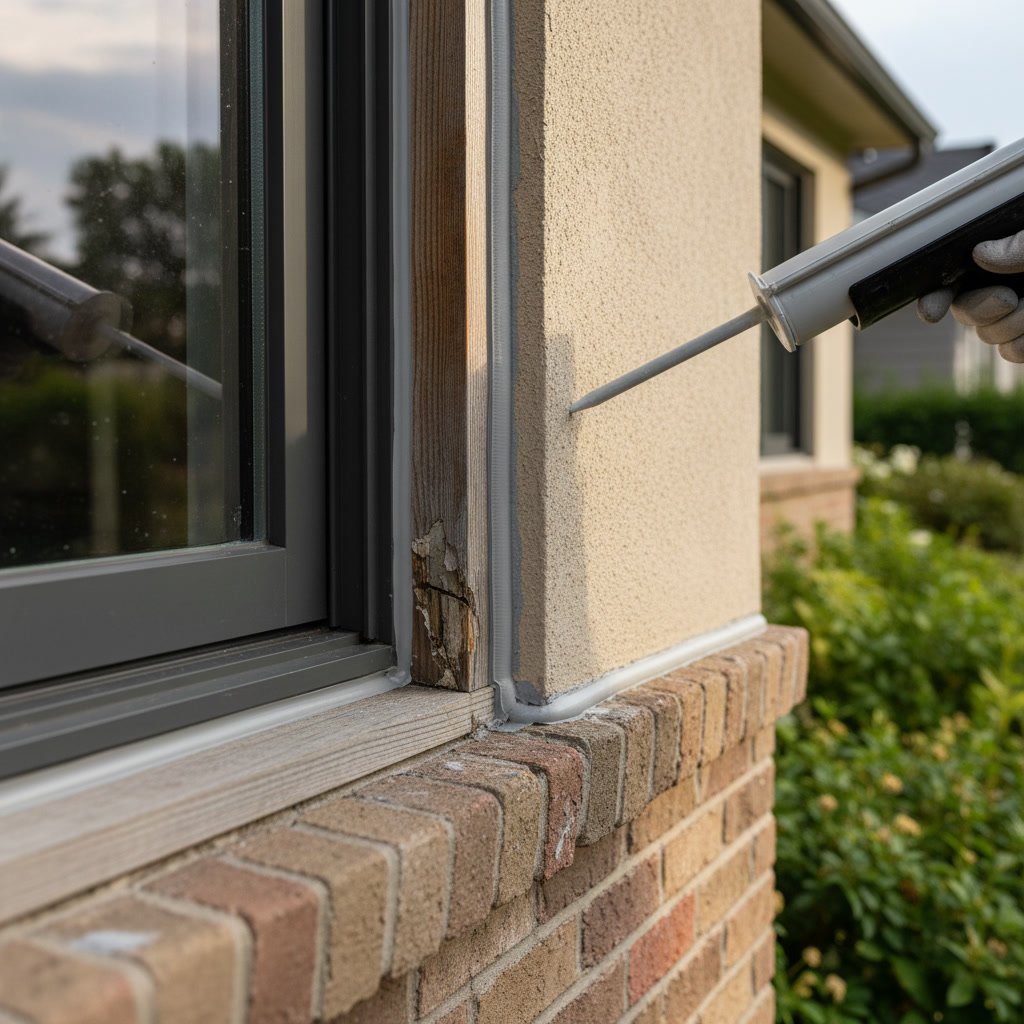
For efflorescence: Check if the white substance brushes away easily with a dry brush. Notice whether it reappears in the same spots after rain. Trace the affected areas to identify potential water sources like downspouts, grade problems, or damaged window and door caulking.
For spalling: Look for brick faces that appear to be peeling like an onion. Check for loose flakes, missing chunks, or hollow-sounding bricks when tapped gently. Examine the mortar joints adjacent to damaged bricks, as deteriorated mortar often precedes spalling by allowing water entry.
Common Locations Where Each Problem Appears
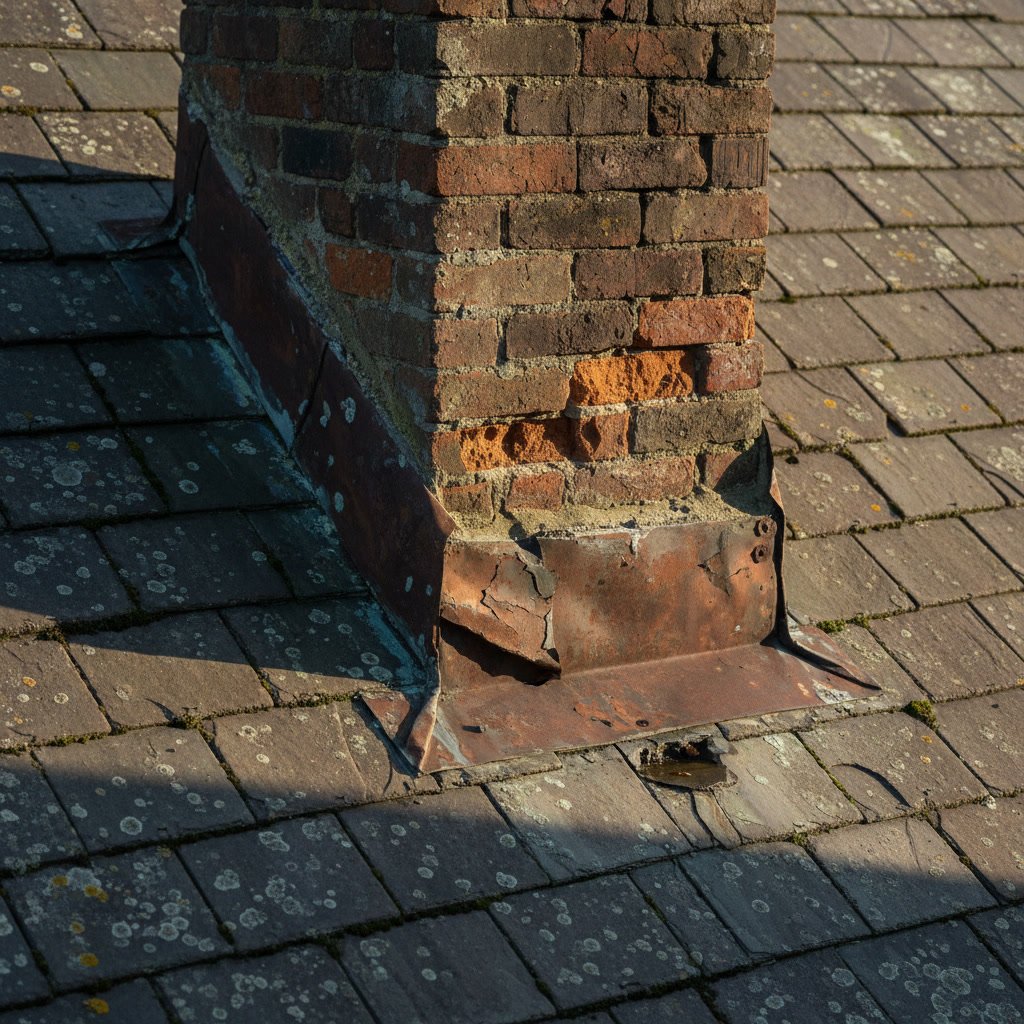
Efflorescence frequently shows up on foundation walls, retaining walls, and basement exteriors where ground moisture contacts masonry. You will also find it on chimneys that lack proper caps or flashing, allowing rain to enter from above.
Spalling concentrates in areas exposed to the most severe freeze-thaw cycles. North-facing walls receive less sunlight and stay wetter longer, making them more vulnerable. Brick near grade level absorbs ground moisture and experiences more freeze-thaw events. Horizontal surfaces like windowsills, ledges, and chimney caps show spalling earlier than vertical walls because water pools rather than draining away.
Testing Methods to Confirm Your Diagnosis
Perform a simple water absorption test by spraying a section of affected brick with water from a garden hose. If efflorescence is your only problem, the brick should absorb water at a normal rate and the white deposits may temporarily disappear or become less visible.
Spalled brick often absorbs water much faster than sound brick because the protective outer layer has been compromised, exposing the more porous interior. You can also test by pressing firmly on suspected spalled areas. Loose or hollow-sounding sections indicate advanced deterioration that requires immediate attention.
When Surface Problems Indicate Deeper Issues
Both efflorescence and spalling serve as visible symptoms of underlying moisture problems. Heavy efflorescence covering large wall sections suggests that water is entering through failed weatherproofing, deteriorated mortar joints, or inadequate drainage systems.
Widespread spalling across multiple courses of brick indicates a systemic moisture problem rather than isolated damage. This often points to missing or damaged flashing, clogged weep holes, failed waterproofing membranes, or foundation drainage issues. Addressing only the visible brick damage without correcting the moisture source will result in continued deterioration and wasted repair investment.
Repair Approaches for Efflorescence
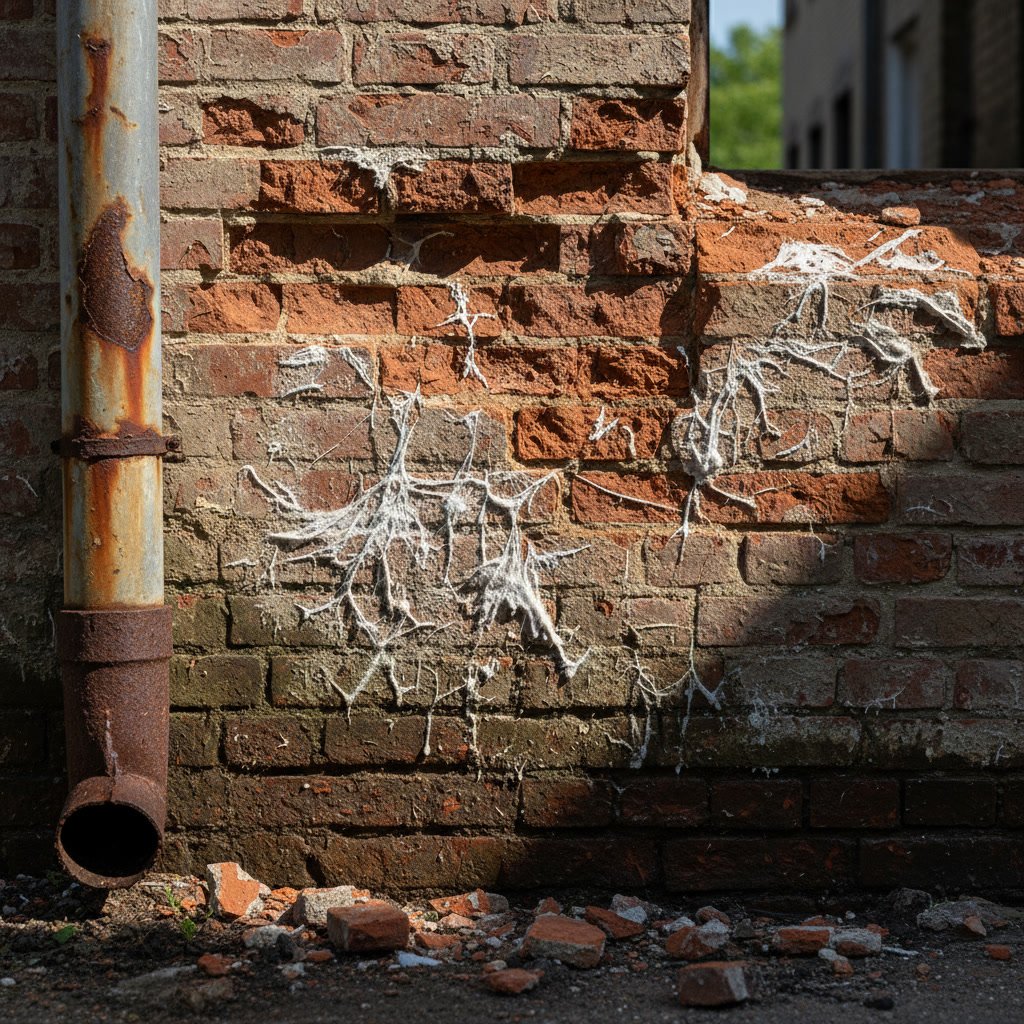
Cleaning efflorescence requires a two-part strategy: removing the deposits and eliminating the moisture source. For light efflorescence, dry brushing with a stiff-bristled brush often suffices. Heavier deposits may need a diluted muriatic acid solution, but improper application can damage mortar and brick.
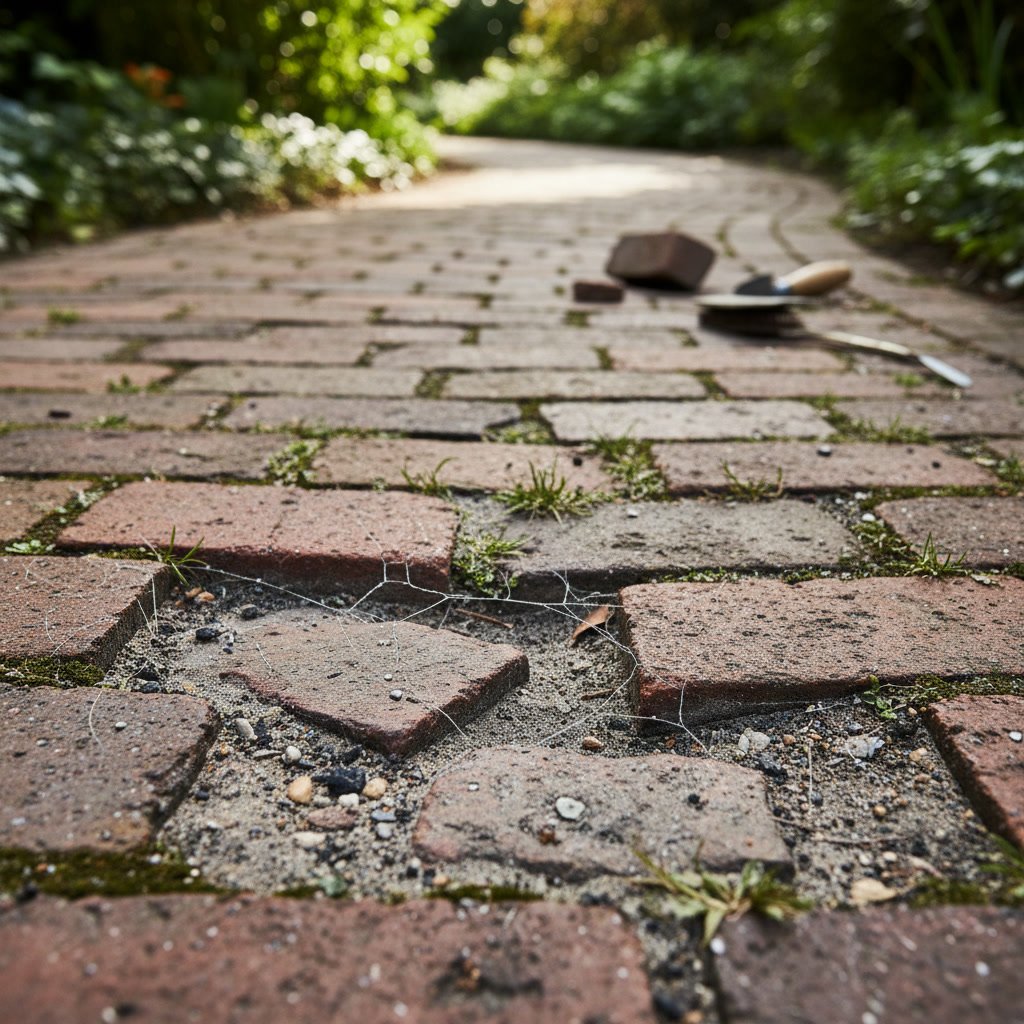
The more critical step involves identifying and correcting the water intrusion point. This might mean improving site grading, extending downspouts away from the foundation, repairing deteriorated tuckpointing, or installing proper drainage systems. Without moisture control, efflorescence will return regardless of how often you clean it.
Treatment Options for Spalled Brick
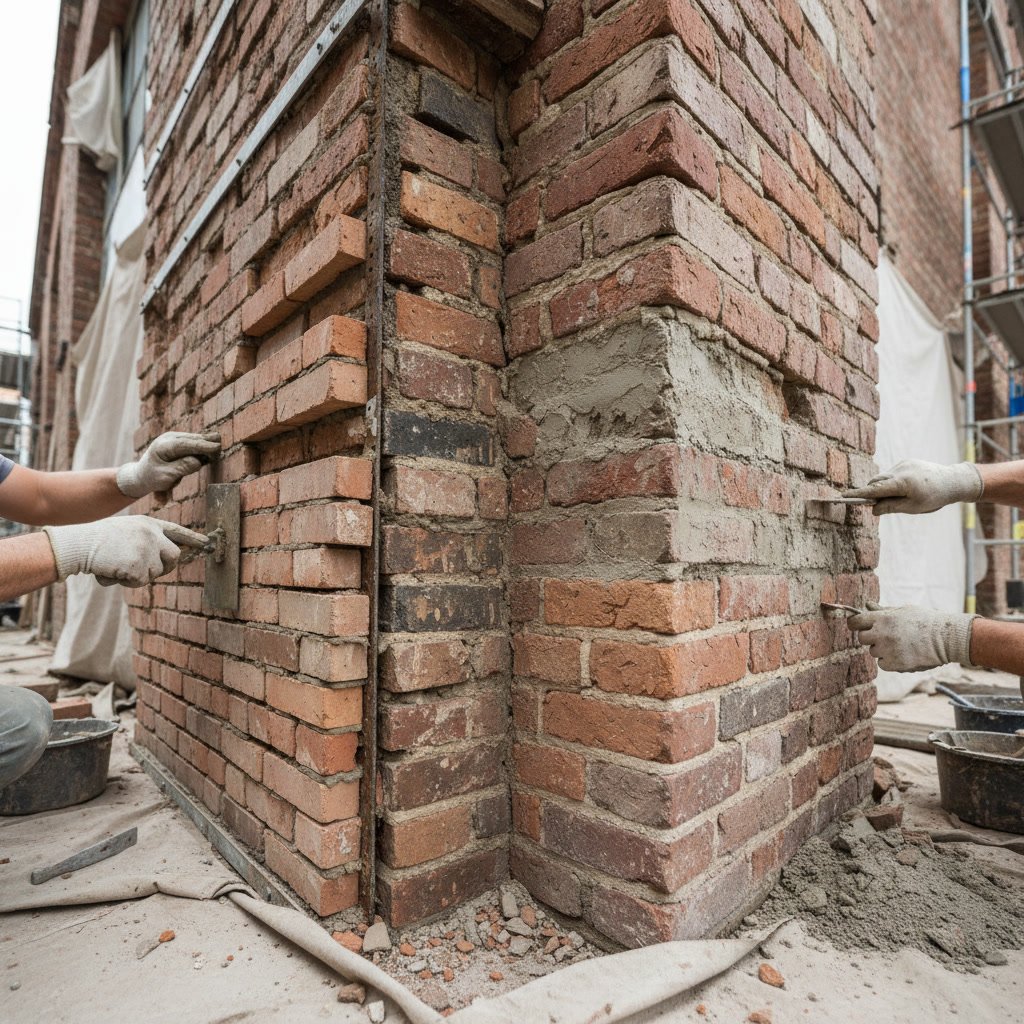
Spalling damage requires physical repair or replacement of affected bricks. For minor surface spalling affecting only a few bricks, selective brick replacement provides the most cost-effective solution. A skilled mason removes the damaged bricks, matches new units to the existing color and size, and installs them with proper mortar techniques.
Extensive spalling may necessitate rebuilding entire wall sections. In some cases, applying a breathable masonry sealer to sound brick can slow future deterioration, but sealers cannot repair existing damage and may trap moisture if applied incorrectly. Professional assessment determines whether your situation calls for spot repairs or more comprehensive masonry restoration.
Protecting Your Investment After Diagnosis
Understanding whether you face efflorescence or spalling helps you prioritize repairs and budget appropriately. Efflorescence warns you to address moisture issues before they escalate into structural problems. Spalling demands immediate repair to prevent water from penetrating deeper into the wall system where it can damage interior finishes, insulation, and framing.
Both conditions respond best to professional evaluation and repair. Massey Tuckpointing & Masonry has helped homeowners throughout the St. Louis area identify and correct brick deterioration since 2002, bringing three generations of masonry expertise to every project. Whether your walls show white powder deposits or flaking brick surfaces, proper diagnosis leads to effective repairs that protect your home’s structural integrity and appearance for decades.
If you have noticed surface changes on your brick walls and want an expert assessment of the underlying cause and appropriate repair strategy, contact Massey Tuckpointing & Masonry at +13142009488 to schedule a detailed inspection and receive a comprehensive repair plan tailored to your home’s specific needs.