A damaged chimney isn’t just an eyesore. It’s a safety hazard that can lead to water infiltration, structural instability, and even carbon monoxide leaks. If you’ve noticed cracks in your chimney crown, loose bricks, or white staining on the exterior, you need professional chimney repair Chesterfield services before minor issues become expensive disasters.
This guide walks you through the most common chimney problems facing homeowners in Chesterfield, what quality repair work looks like, how much you should expect to pay, and why choosing an experienced masonry contractor makes all the difference.
Common Chimney Problems in Chesterfield Homes
Chesterfield’s freeze-thaw cycles put enormous stress on masonry structures. Water seeps into small cracks during warmer months, then expands when temperatures drop, causing progressive damage that worsens each winter.
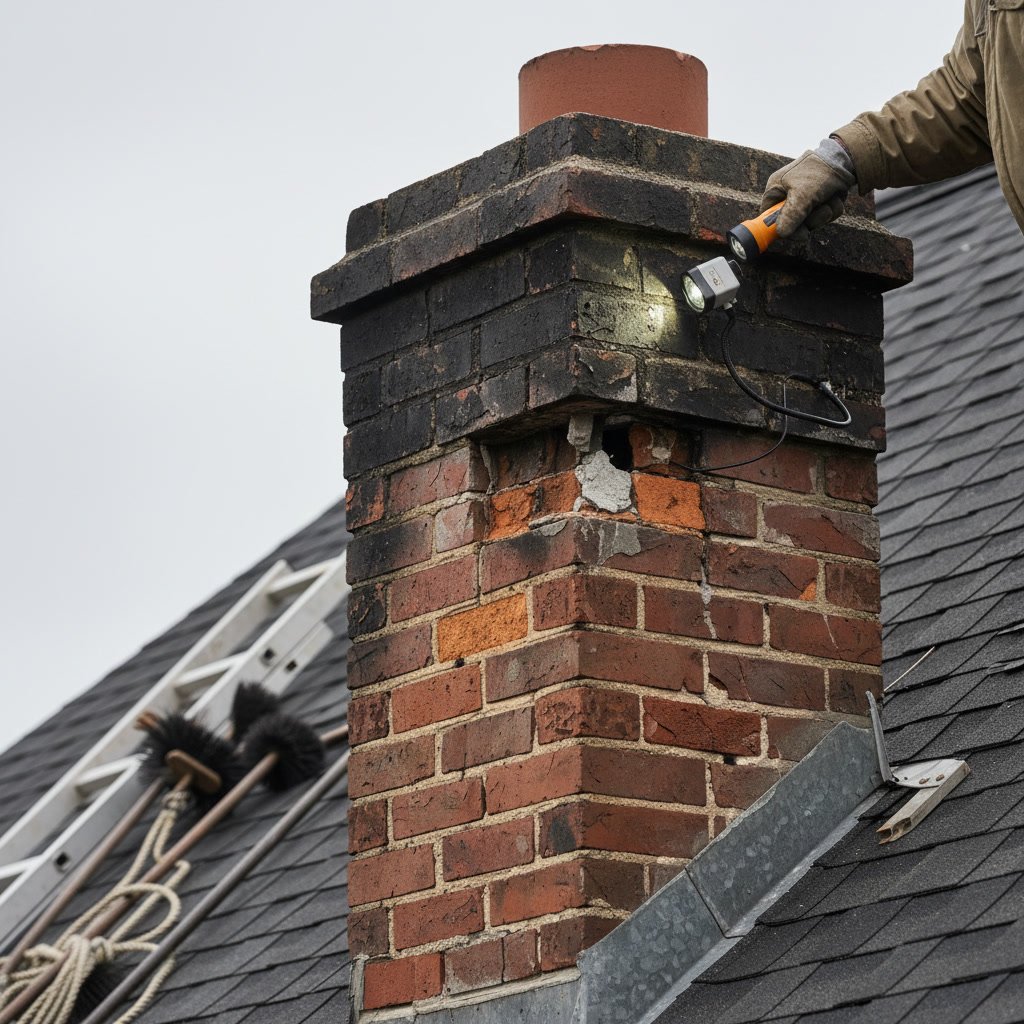
The most frequent chimney issues we encounter include deteriorated mortar joints, spalling bricks, damaged chimney crowns, and cracked flue liners. Each of these problems allows water to penetrate deeper into the chimney structure, accelerating decay.
Mortar joint deterioration happens when the cement between bricks begins to crack and crumble. This is often the first visible sign that your chimney needs attention. Left unaddressed, deteriorating mortar compromises the structural integrity of the entire chimney stack.
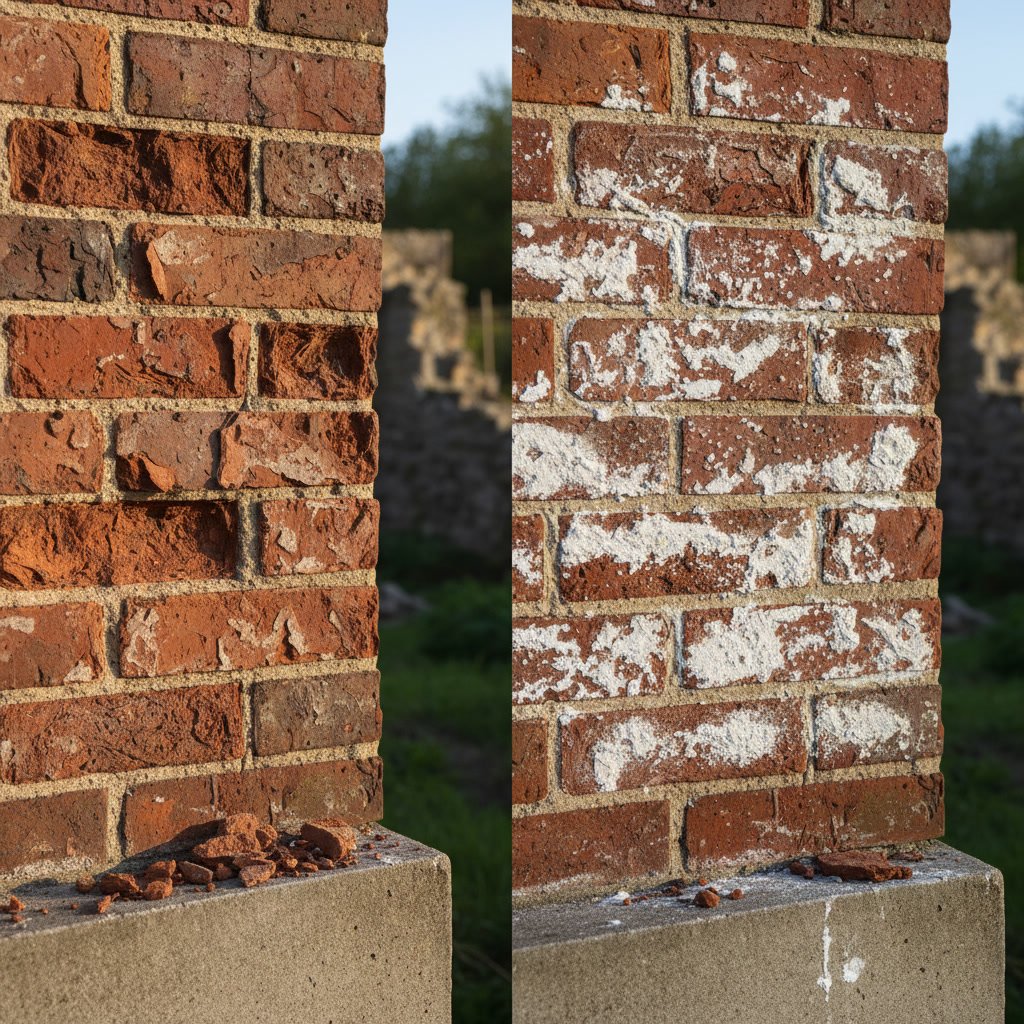
Spalling occurs when the face of a brick begins to peel, pop off, or flake away. This is usually caused by water infiltration that freezes and expands inside the brick itself. Once spalling starts, the affected bricks need to be replaced to prevent further damage.
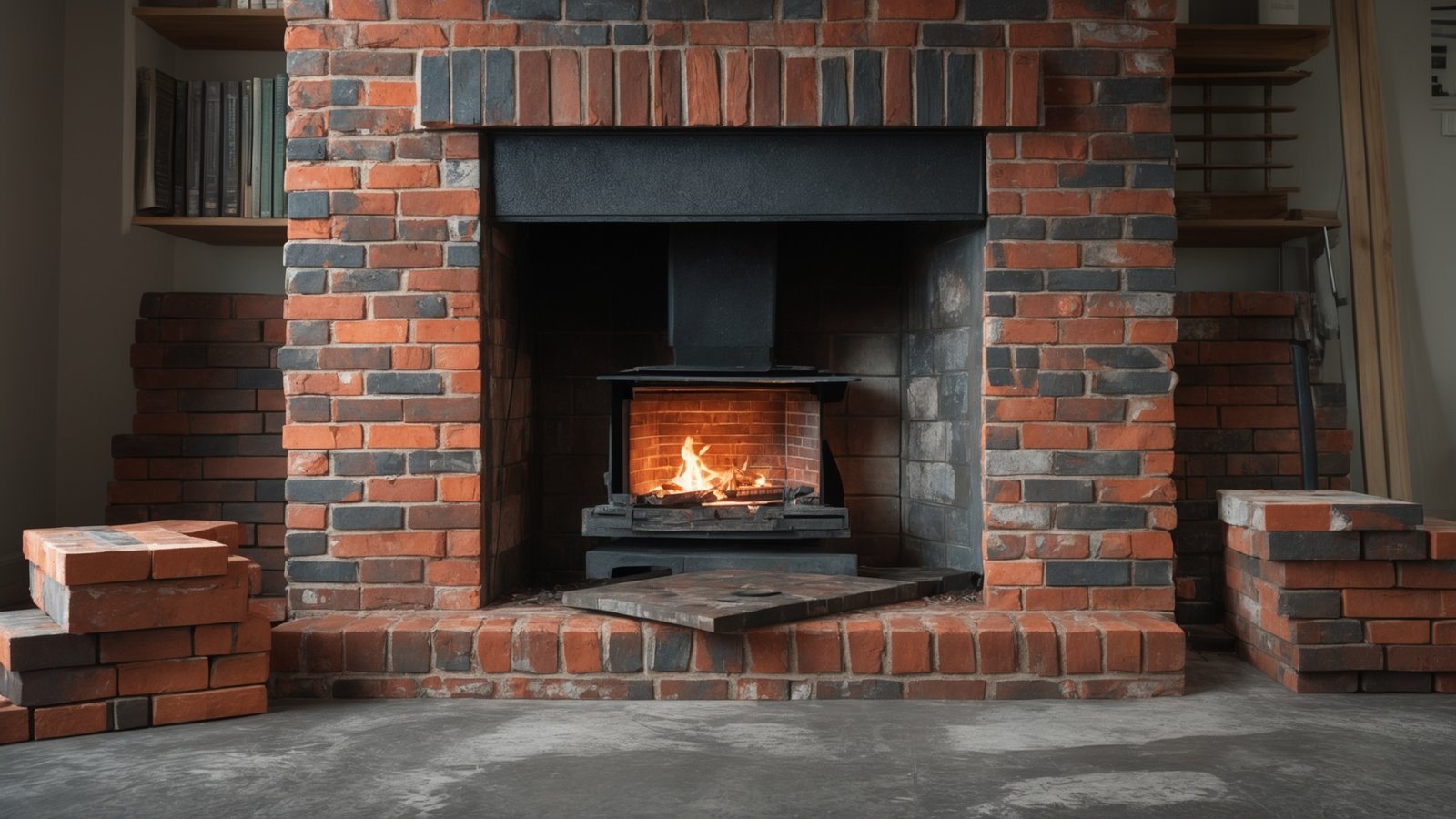
Chimney Crown Damage
The chimney crown is the concrete or mortar top that seals the chimney and prevents water from entering around the flue. Cracks in the crown are extremely common and allow significant water penetration.
A properly constructed crown should overhang the chimney by at least two inches and include a drip edge to direct water away from the structure. Many older chimneys have crowns that are too thin, lack proper slope, or were constructed with mortar instead of reinforced concrete.
Flue Liner Issues
Flue liners protect the chimney walls from heat and corrosive byproducts of combustion. Cracked or missing liners can allow dangerous gases to escape into your home and expose combustible framing to high temperatures.
Clay tile liners are common in older chimneys and can crack from thermal shock or settling. Stainless steel liners offer superior durability and are often recommended when relining is necessary.
What Professional Chimney Repair Involves
Quality chimney repair starts with a thorough inspection. A qualified masonry contractor will examine the entire structure from the roofline to the foundation, looking for cracks, missing mortar, water damage, and structural issues.
The scope of repair depends on the extent of damage. Minor issues might only require tuckpointing to replace deteriorated mortar joints. More severe damage could necessitate partial or complete chimney rebuilds.
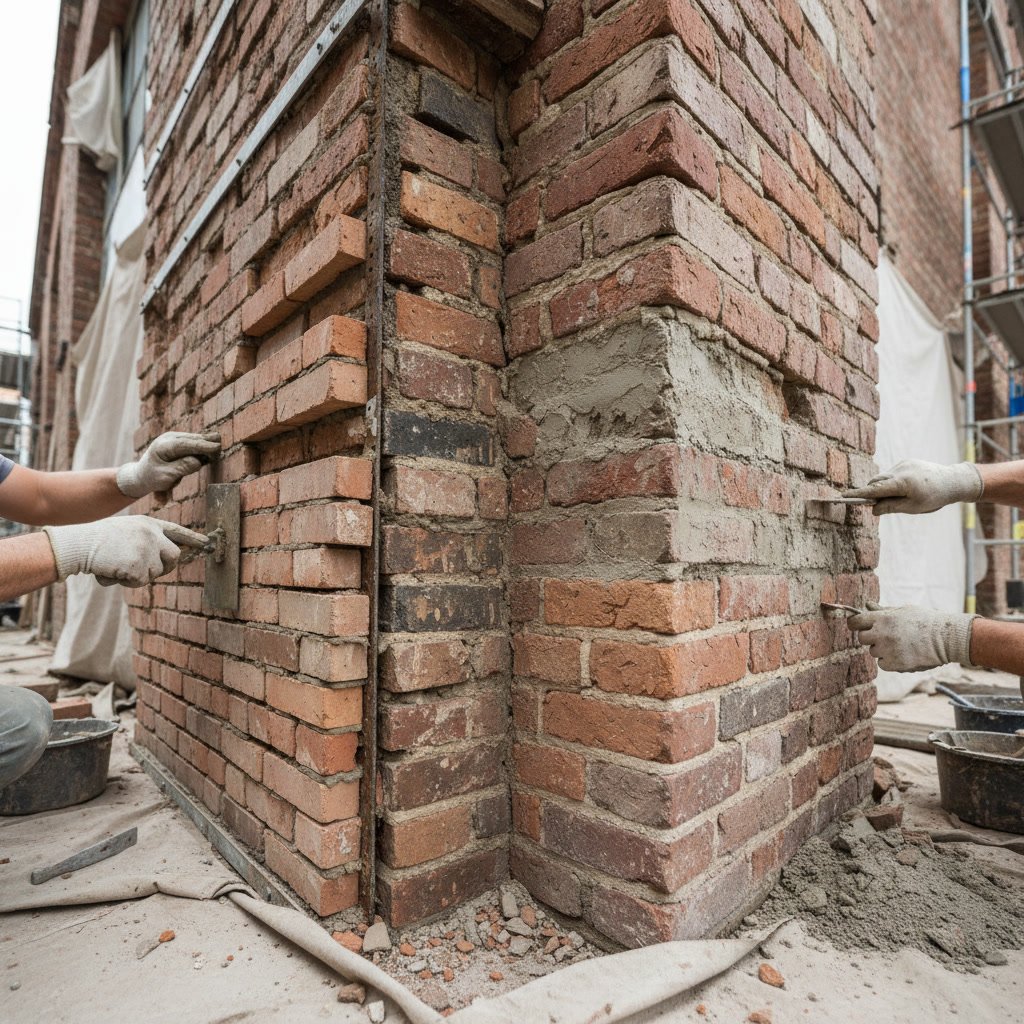
Tuckpointing is the process of grinding out old, damaged mortar and replacing it with fresh material that matches the original in strength and appearance. This restores both the structural integrity and aesthetic appeal of the chimney.
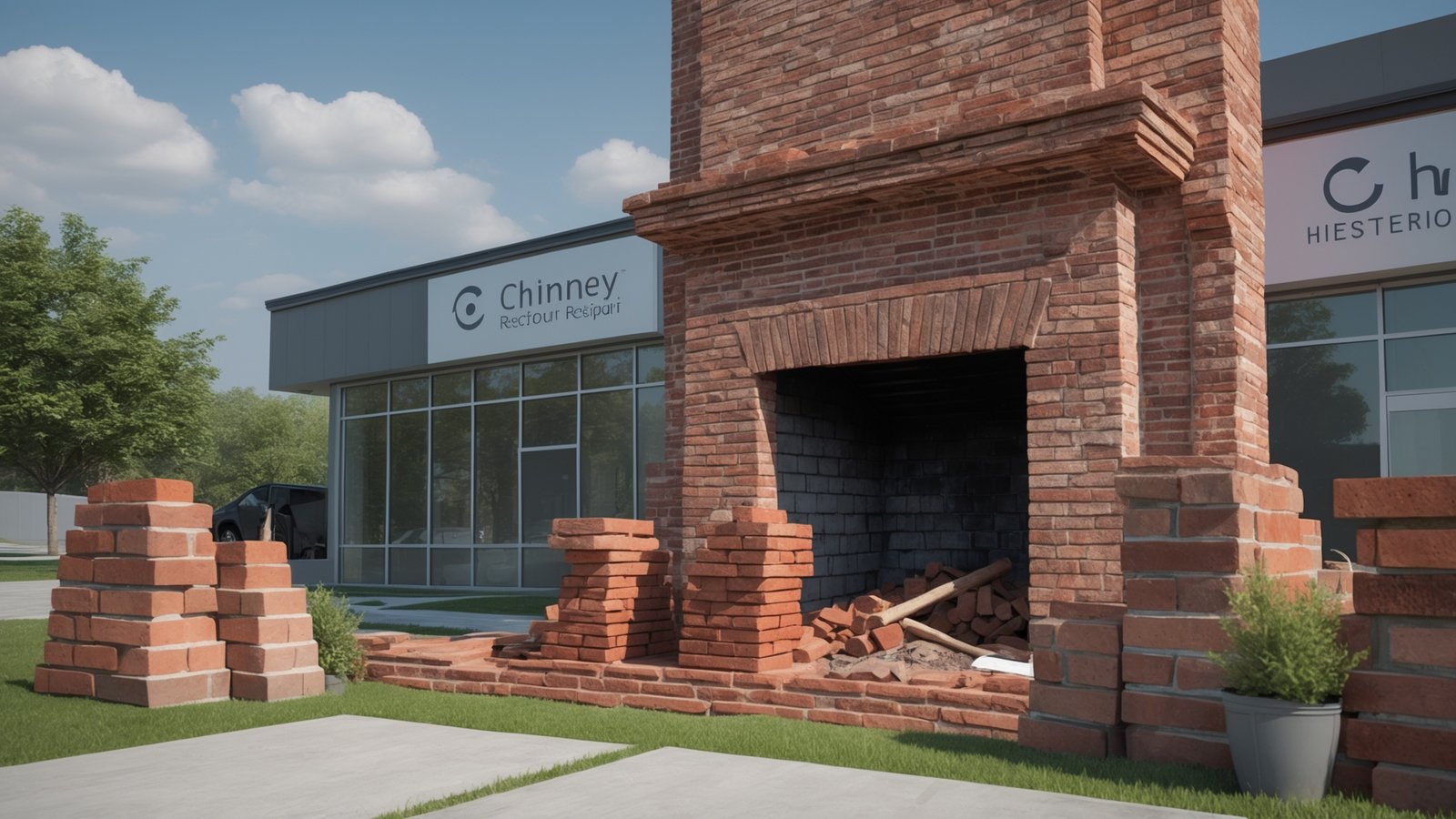
When bricks are damaged beyond repair, they need to be carefully removed and replaced with matching units. Finding the right brick match requires experience, especially for older homes where original brick types may no longer be manufactured.
Pro Tip: Always request that contractors match both the brick and mortar to the original. Mismatched materials stand out visually and can create structural problems if the new mortar is significantly harder than the original.
Crown Repair and Replacement
Repairing a chimney crown typically involves either patching small cracks with specialized sealants or completely rebuilding the crown with reinforced concrete. A properly constructed crown should last 50 to 75 years.
Crown rebuilds require removing the old crown, preparing the surface, and pouring new concrete with proper reinforcement and slope. The new crown should extend beyond the chimney walls and include a drip edge.
Waterproofing and Protection
After repairs are complete, applying a breathable water repellent protects the masonry from future water damage. These products allow moisture vapor to escape while preventing liquid water from entering.
Quality weatherproofing can extend the life of chimney repairs by 10 to 15 years. The sealant should be reapplied every five to seven years for optimal protection.
How Much Does Chimney Repair Cost in Chesterfield
Chimney repair costs vary widely based on the extent of damage, chimney height, accessibility, and materials required. Simple tuckpointing might cost 1,200 to 2,500 dollars for a standard chimney, while extensive rebuilds can run 8,000 to 15,000 dollars or more.
Crown repair typically ranges from 800 to 1,500 dollars for patching, or 1,200 to 2,500 dollars for a complete rebuild. Replacing damaged bricks costs 25 to 40 dollars per brick including labor, though specialty or antique bricks can cost significantly more.
Flue liner replacement runs 1,500 to 4,000 dollars depending on chimney height and liner type. Stainless steel liners are more expensive upfront but offer superior durability and lifetime warranties.
These figures are typical for the Chesterfield area, though your specific costs will depend on your chimney’s condition and the contractor you choose. Always get detailed written estimates from at least two qualified contractors before proceeding.
Key Takeaway: The least expensive option isn’t always the best value. Chimney repair done incorrectly can fail within a few years, whereas quality work from an experienced contractor should last decades.
Why Chimney Damage Gets Worse Over Time
Chimney deterioration is progressive. Small cracks allow small amounts of water to enter. That water freezes, expands the crack, and allows more water to enter during the next rain. The cycle repeats until minor damage becomes a major structural problem.
Water is masonry’s worst enemy. Once it penetrates past the outer layer of bricks, it can saturate the interior structure, corrode metal components, and cause extensive hidden damage before exterior signs become obvious.
Homeowners often wait too long to address chimney problems because the damage seems minor or cosmetic. By the time the issue becomes impossible to ignore, repair costs have often tripled or quadrupled from what they would have been with early intervention.
Regular inspections catch problems early. The National Fire Protection Association recommends annual chimney inspections, even if you rarely use your fireplace. Many issues develop regardless of use, simply from exposure to weather.
Choosing the Right Chimney Repair Contractor
Not all masonry contractors have equal experience with chimney repair. Chimneys present unique challenges that require specialized knowledge of flue systems, ventilation, building codes, and historic masonry techniques.
Look for contractors with specific chimney experience, not just general masonry work. Ask to see examples of previous chimney projects and check references from past clients.
Proper licensing and insurance are non-negotiable. The contractor should carry general liability insurance and workers compensation coverage. Request proof of both before signing any contract.
A detailed written estimate should break down labor, materials, and specific work to be performed. Vague estimates that lump everything into one line item make it difficult to compare bids or understand what you’re paying for.
Massey Tuckpointing & Masonry has been serving Chesterfield, MO and surrounding areas since 2002, with three generations of masonry expertise. Our family-owned business combines old-world craftsmanship with modern materials and techniques.
Warning Signs of Unreliable Contractors
Be cautious of contractors who pressure you to make immediate decisions, especially those who happen to be working in your neighborhood and offer steep discounts for signing today. Legitimate contractors don’t need high-pressure sales tactics.
Avoid contractors who require large upfront payments before work begins. Standard practice is to pay a small deposit, progress payments as work is completed, and final payment only after you’ve inspected and approved the finished project.
Contractors who can’t provide local references or examples of completed work should raise red flags. Established masonry companies have portfolios of past projects and satisfied customers willing to vouch for their work.
Preventive Maintenance to Extend Chimney Life
Regular maintenance significantly extends the time between major repairs. Annual inspections identify minor issues before they become expensive problems.
Keep gutters clean and ensure downspouts direct water away from the chimney base. Water pooling around the foundation can cause settling and structural damage over time.
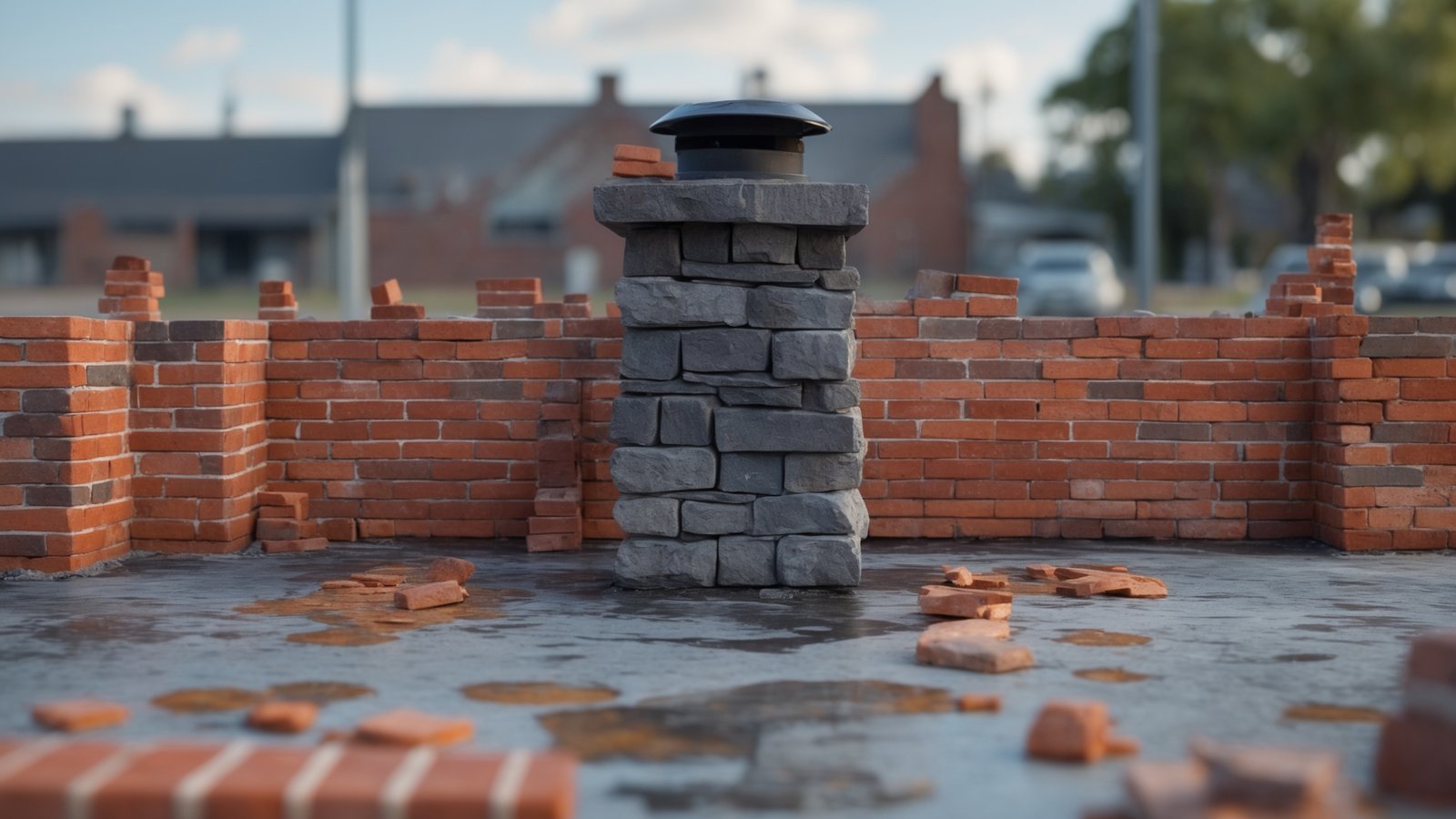
Install a chimney cap if you don’t already have one. Caps prevent rain, snow, and animals from entering the flue while allowing smoke and gases to escape. Quality caps also include spark arrestors for fire safety.
Have your chimney professionally cleaned every one to two years if you use your fireplace regularly. Creosote buildup is both a fire hazard and accelerates deterioration of the flue liner.
Monitor the chimney for signs of problems between inspections. White staining (efflorescence), pieces of brick or mortar in the fireplace, and visible cracks are all signs that professional evaluation is needed.
When Repair Isn’t Enough
Sometimes damage is too extensive for repair to be cost-effective or structurally sound. If more than 25 percent of the chimney structure is damaged, or if the chimney is leaning or separating from the house, rebuilding may be the better option.
Structural issues like severe leaning indicate foundation problems or deterioration below the roofline. These situations require complete evaluation and often partial or complete rebuilding to ensure safety.
Our detailed guide on when to replace or repair a chimney walks through the specific factors that determine whether repair or replacement makes more sense for your situation.
A qualified contractor will honestly assess whether repair is feasible or if rebuilding is the safer, more economical long-term solution. Be wary of contractors who always recommend the most expensive option without clearly explaining why it’s necessary.
Chimney Repair for Historic Chesterfield Homes
Chesterfield has many beautiful historic homes with original chimneys that require special care. Repairing these structures often involves sourcing antique bricks, custom-mixing mortar to match original formulations, and using traditional techniques.
Modern repair methods can damage historic masonry if not applied correctly. For example, using mortar that’s harder than the original bricks can cause spalling and accelerate deterioration.
Historic masonry restoration requires contractors who understand period construction methods and materials. The goal is to preserve the original character while ensuring structural soundness and safety.
Matching original materials takes time and expertise. Historic bricks may need to be sourced from salvage yards or specialty suppliers. Mortar must be analyzed and custom-mixed to match the original composition, color, and texture.
Frequently Asked Questions
How long does chimney repair take?
Most chimney repairs take one to three days depending on the scope of work. Simple tuckpointing might be completed in a single day, while crown rebuilds or extensive brick replacement can take two to five days. Weather delays can extend timelines since masonry work requires appropriate temperatures for proper curing.
Can I use my fireplace during chimney repair?
You should not use your fireplace while repair work is in progress. The chimney may be partially disassembled, scaffolding may block the flue, and fresh mortar needs time to cure before exposure to heat. Your contractor will advise when it’s safe to resume use, typically seven to 14 days after completion.
Will chimney repair damage my roof?
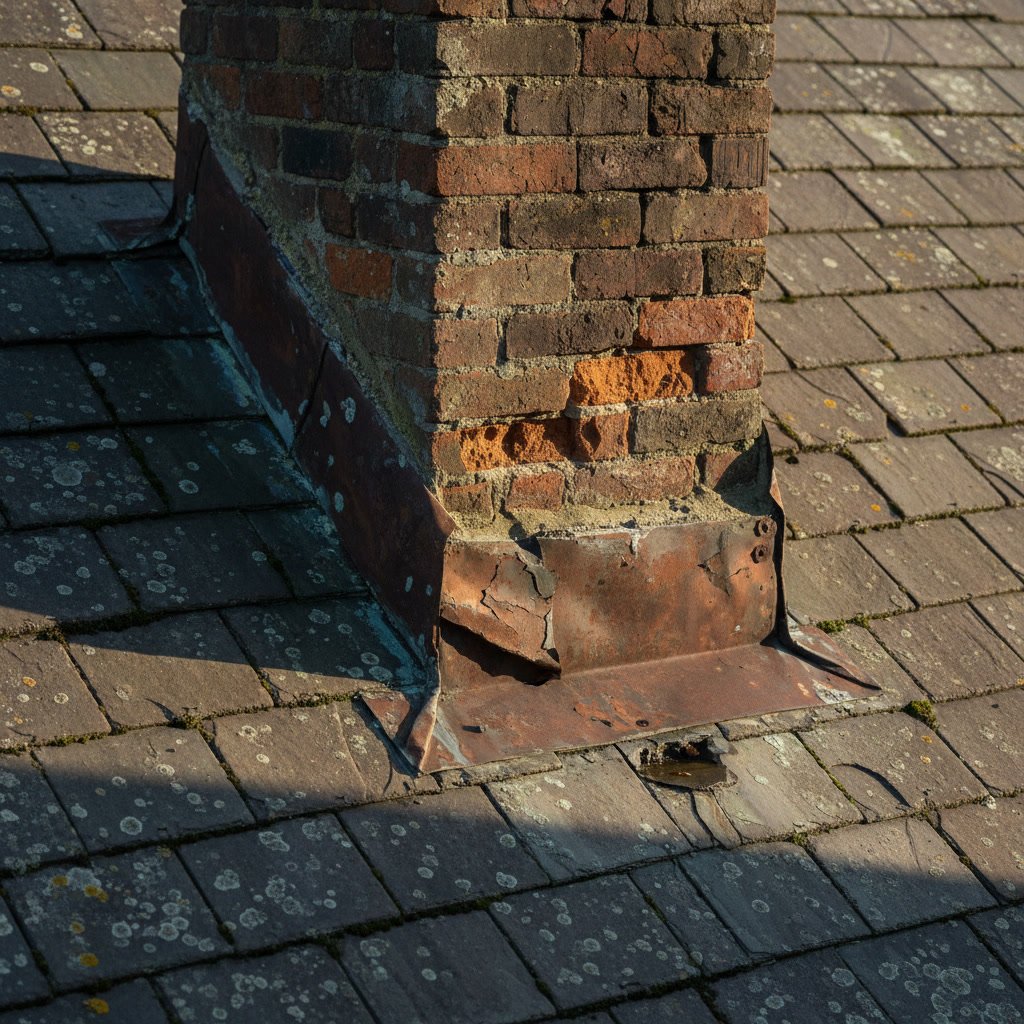
Professional contractors take precautions to protect your roof during chimney work. This includes using roof jacks, tarps, and carefully managing debris removal. Any flashing around the chimney base should be inspected and resealed after repairs to prevent leaks. Reputable contractors repair any incidental damage at no additional cost.
How often should chimneys be inspected?
The National Fire Protection Association recommends annual chimney inspections regardless of how frequently you use your fireplace. Weather exposure causes deterioration even in unused chimneys. Homes with active fireplaces should have inspections before each heating season and professional cleaning every one to two years depending on use.
Does homeowners insurance cover chimney repair?
Insurance coverage depends on the cause of damage. Sudden damage from storms, lightning, or fallen trees is often covered. Gradual deterioration from age and weather exposure is typically considered maintenance and not covered. Review your policy and contact your insurance company to understand your specific coverage before scheduling repairs.
Protect Your Home with Professional Chimney Repair
Chimney damage doesn’t improve on its own. Every season you delay repair, the problem gets worse and the eventual cost increases. Professional chimney repair Chesterfield services restore structural integrity, prevent water damage, and protect your home’s value.
Massey Tuckpointing & Masonry brings over 20 years of experience to every chimney project throughout St. Louis County. Our family-owned business combines expert craftsmanship with honest assessments and competitive pricing.
Contact us today at +13142009488 to schedule a free chimney inspection and detailed estimate. We’ll assess your chimney’s condition, explain exactly what repairs are needed, and provide a clear timeline and cost breakdown with no obligation.