Your chimney has developed cracks, the mortar is crumbling, or you’ve noticed water damage inside your home. Now you’re facing a critical decision: should you replace or repair chimney damage? The answer depends on the extent of deterioration, the age of your chimney, and several structural factors that affect both safety and long-term costs.
This guide breaks down the key warning signs, explains when repair is sufficient versus when replacement becomes necessary, and helps you make an informed decision about your chimney’s future. Understanding the difference can save you thousands of dollars and prevent serious structural problems down the road.
Signs Your Chimney Needs Attention
Before you can decide whether to replace or repair chimney issues, you need to recognize the warning signs that something is wrong. Some problems are obvious, while others hide behind brick facades until they become serious.
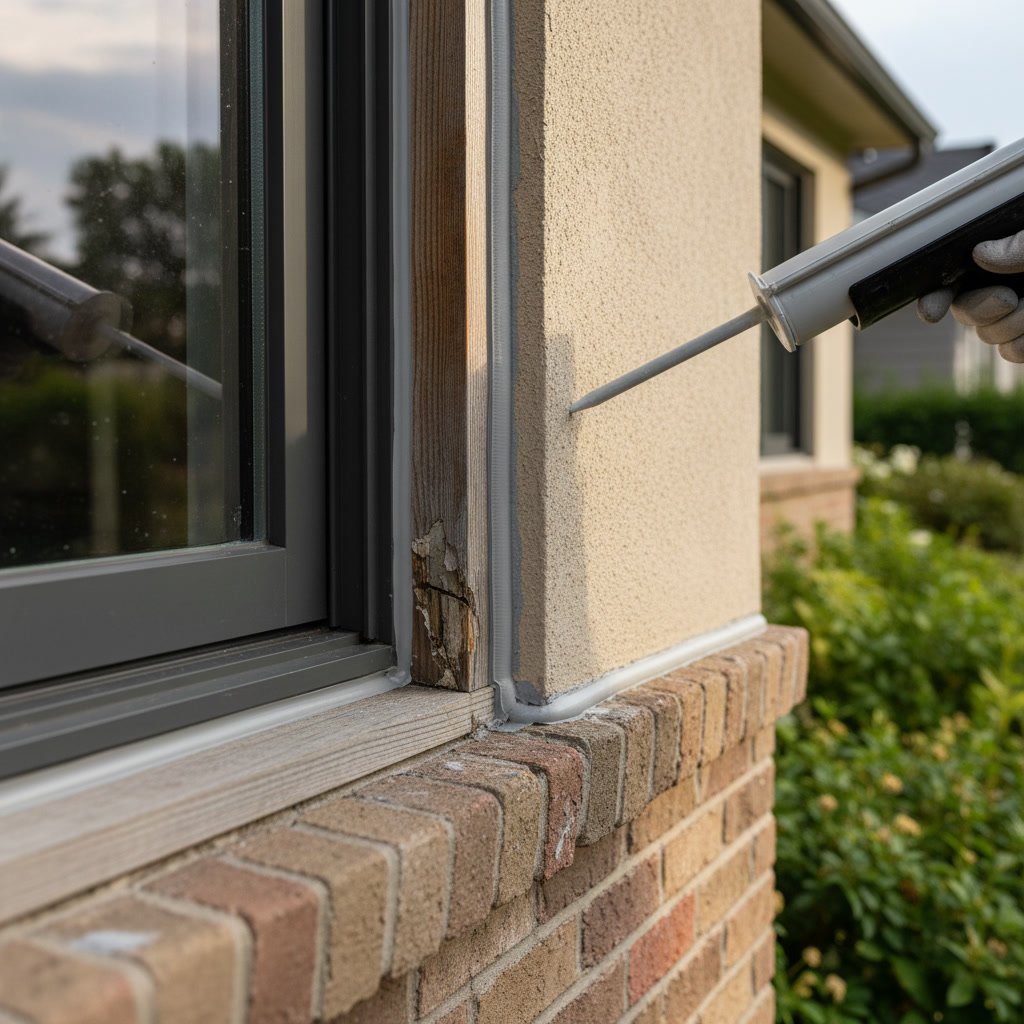
Cracked or crumbling mortar joints are often the first visible sign. When mortar deteriorates, water penetrates the chimney structure, leading to freeze-thaw damage that accelerates deterioration. If you notice loose mortar or gaps between bricks, the problem will only worsen with time.
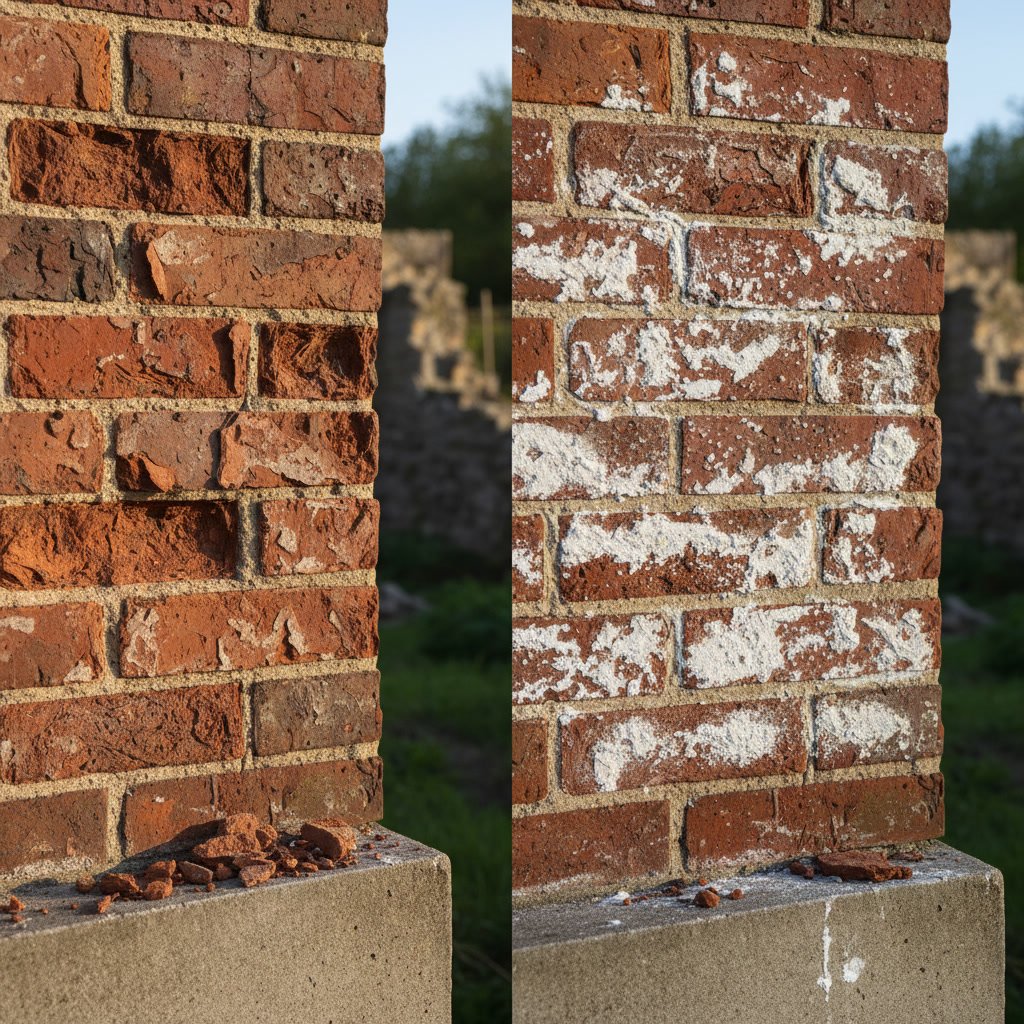
Spalling bricks, where the brick face pops off or crumbles, indicate advanced water damage. This happens when moisture trapped inside bricks freezes and expands. Once spalling begins, it spreads quickly because damaged bricks absorb even more water.
White staining, called efflorescence, appears when water-soluble salts leach through masonry. While it looks like a cosmetic issue, it signals ongoing moisture problems that compromise structural integrity.
A leaning or tilting chimney is a severe structural issue. Even a slight tilt indicates foundation problems or significant deterioration in the chimney structure. This always requires immediate professional assessment.
Rust in the firebox or on the damper tells you water is entering the chimney system. Where there’s rust, there’s moisture, and moisture causes the majority of chimney damage over time.
Inside your home, water stains on walls or ceilings near the chimney, musty odors, or visible deterioration around the fireplace opening all point to chimney problems that need addressing.
When Chimney Repair Is the Right Choice
Most chimney issues can be resolved with targeted repairs if you catch them early enough. Repair makes financial sense when damage is localized and the overall structure remains sound.
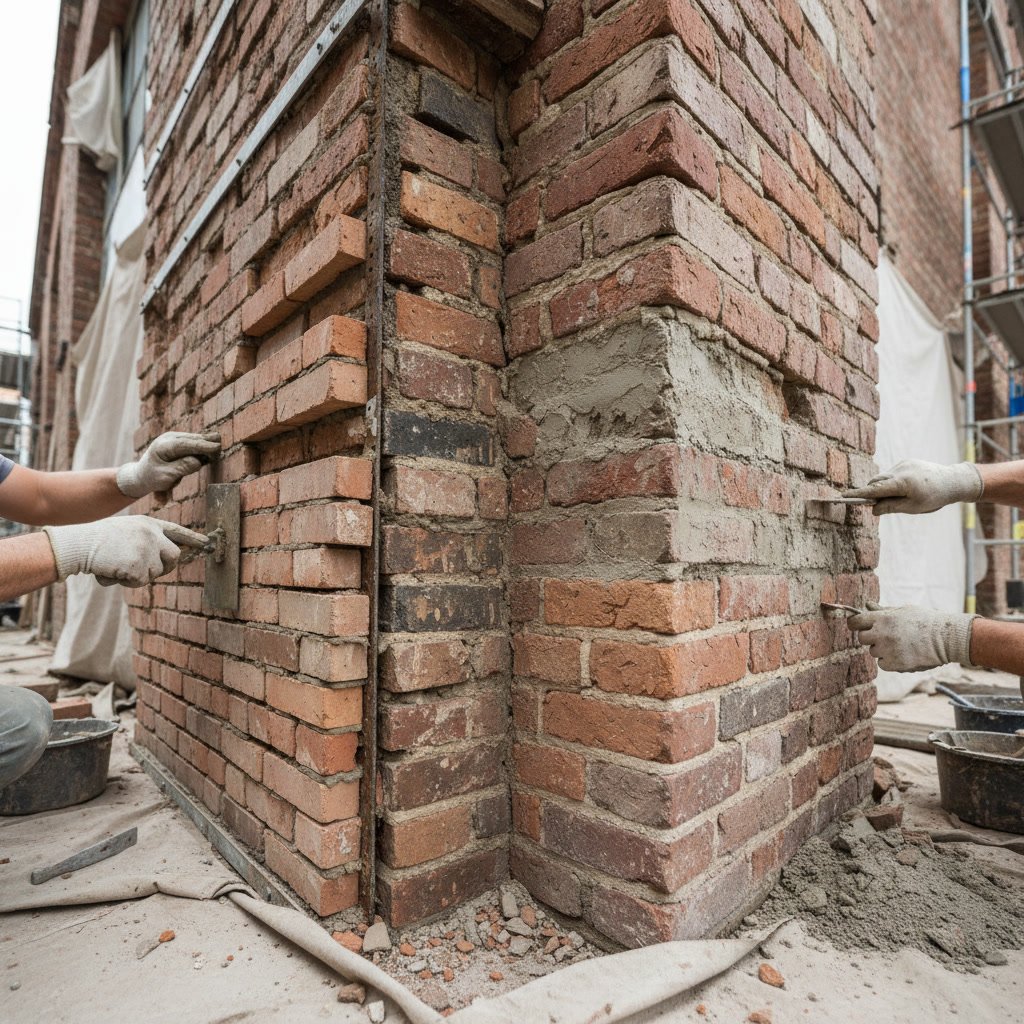
Tuckpointing addresses deteriorating mortar joints by removing damaged mortar and replacing it with fresh material. This restoration technique works well when brick damage is minimal and mortar joints are the primary problem. For chimneys less than 50 years old with good-quality bricks, tuckpointing can extend the structure’s life by 20 to 30 years.
Replacing individual damaged bricks is cost-effective when fewer than 25% of bricks show deterioration. A skilled mason can match new bricks to existing ones and restore structural integrity without rebuilding the entire chimney.
Pro Tip: The best time to repair chimney damage is during dry, mild weather in spring or fall. Mortar needs temperatures above 40 degrees Fahrenheit to cure properly, and dry conditions ensure proper bonding.
Crown repair or replacement fixes the concrete cap at the top of your chimney. The crown directs water away from the chimney structure, and when it cracks, water pours directly into the masonry. Replacing a damaged crown is far less expensive than dealing with the water damage it causes.
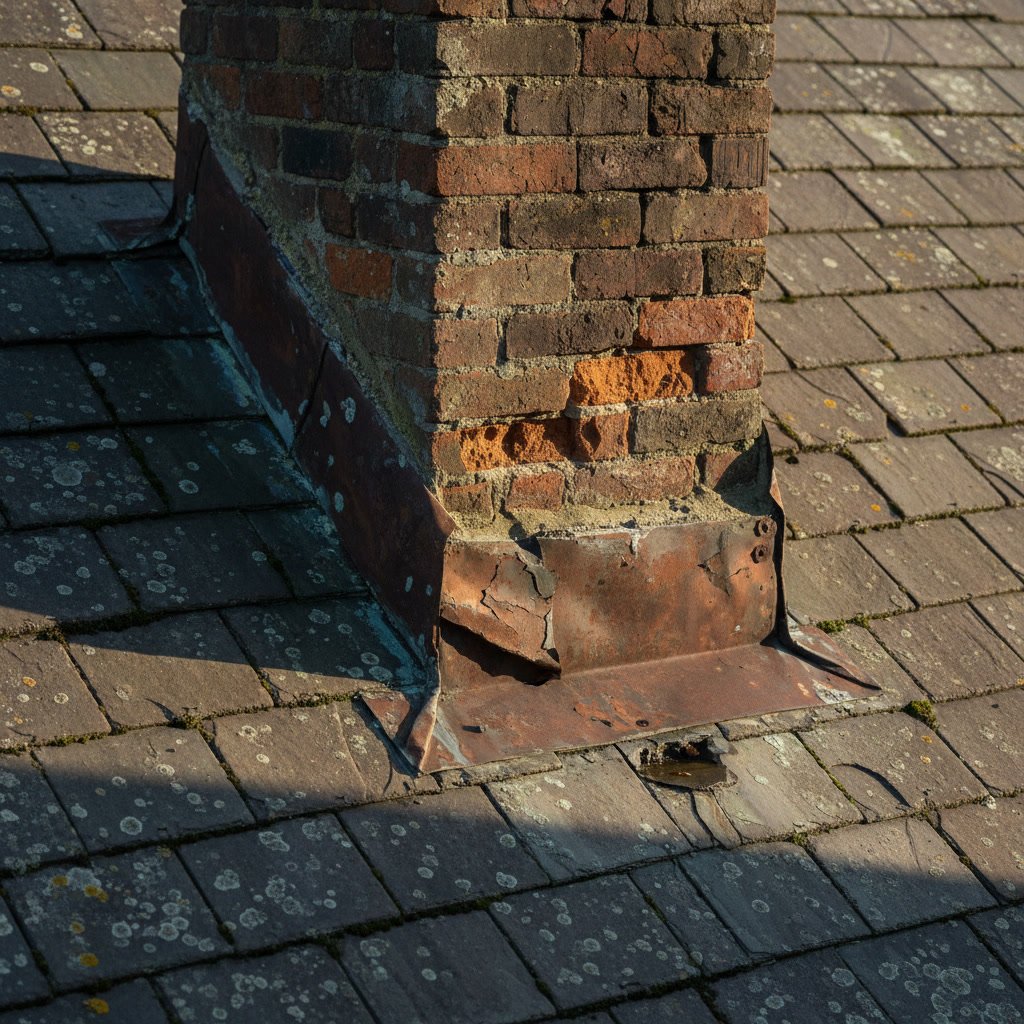
Chimney flashing repair addresses leaks where the chimney meets the roof. Damaged or improperly installed flashing is one of the most common sources of water intrusion. Replacing flashing costs a fraction of chimney replacement and solves many leak problems.
Chimney liner repair or replacement handles issues inside the flue. A damaged liner poses serious safety risks, including carbon monoxide leaks and chimney fires. Installing a new stainless steel liner is expensive but far cheaper than full chimney replacement.
When Chimney Replacement Becomes Necessary
Sometimes repair isn’t enough. Certain conditions make chimney replacement the only safe and cost-effective option, even though the upfront cost is higher.
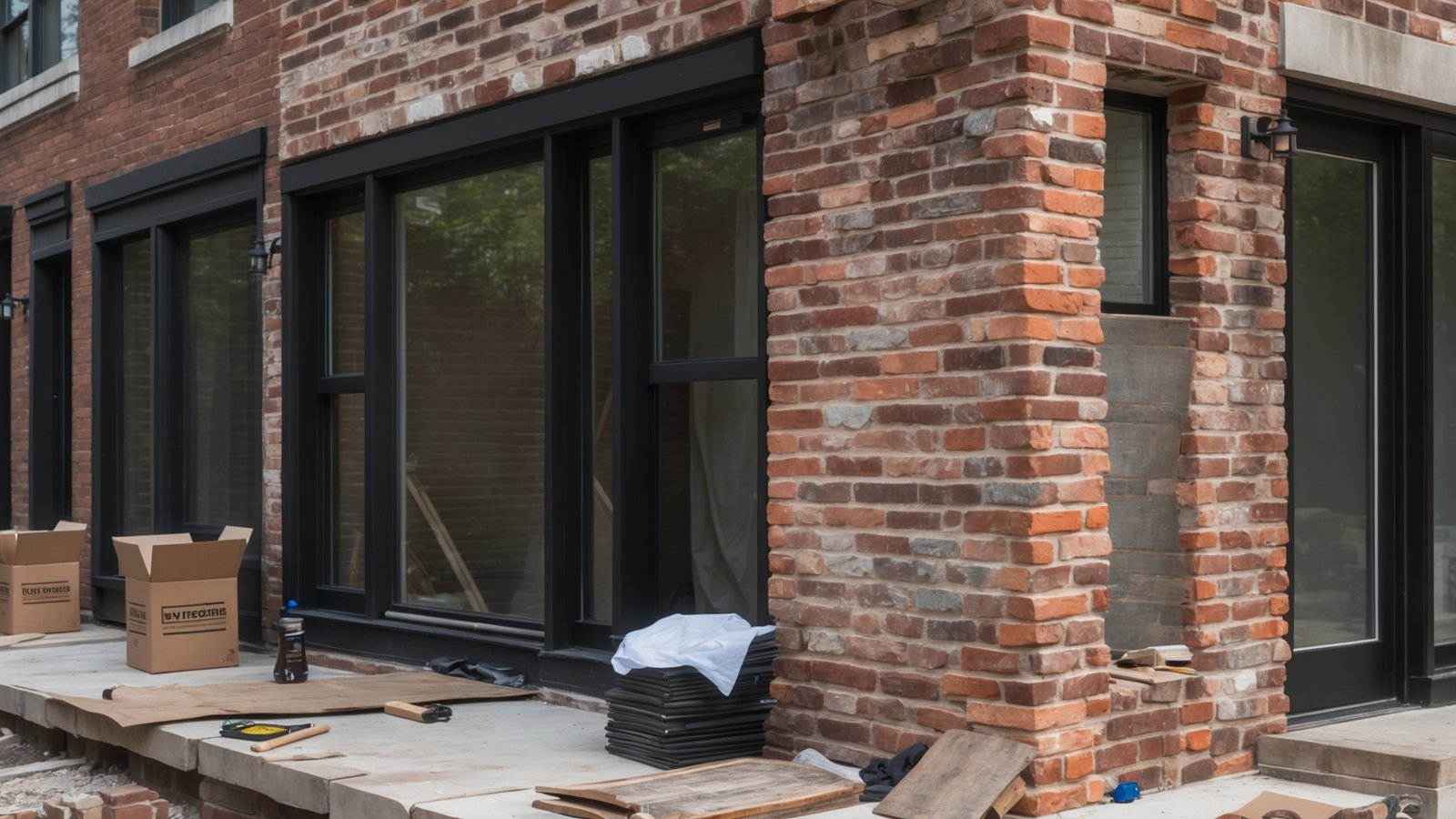
Widespread brick deterioration throughout the chimney structure eliminates repair as a viable option. When more than 25% to 30% of bricks show spalling or crumbling, the cost of replacing individual bricks approaches or exceeds the cost of rebuilding. You’re essentially paying for a complete rebuild anyway, but doing it piecemeal.
Structural instability or significant leaning means the chimney’s foundation or internal structure has failed. You cannot repair a fundamentally unstable chimney. Attempting repairs on a structurally compromised chimney wastes money and creates serious safety hazards.
Age plays a critical role in the repair versus replace decision. Chimneys built before 1950 often used lower-quality materials or construction methods that don’t meet modern standards. If your chimney is 80 to 100 years old and showing multiple problems, replacement provides better long-term value.
Severe water damage throughout the chimney structure cannot be reversed. Water that has penetrated deep into the masonry causes deterioration from the inside out. By the time exterior damage becomes visible, interior damage is often extensive.
Code violations discovered during inspection sometimes make replacement necessary. Older chimneys may lack proper liners, adequate clearances, or structural features required by modern building codes. Bringing a severely non-compliant chimney up to code may cost as much as replacement.
Previous poor-quality repairs can accelerate deterioration. If someone used incorrect mortar types, mismatched bricks, or improper techniques, you may face more extensive damage than if repairs had never been attempted. In these cases, starting fresh often makes more sense.
Cost Considerations for Repair Versus Replacement
Budget plays a major role in deciding whether to replace or repair chimney damage. Understanding typical costs helps you evaluate quotes and make informed decisions.
Chimney repair costs vary widely based on the extent of damage and the type of work needed. Tuckpointing typically costs between $10 and $30 per square foot, depending on chimney height and accessibility. For an average chimney, expect to pay $1,000 to $3,500 for tuckpointing work.
Individual brick replacement runs $20 to $40 per square foot. Replacing a crown costs $700 to $1,500, while flashing repair ranges from $500 to $1,500 depending on complexity and roof pitch.
Chimney liner installation is one of the more expensive repairs, costing $2,000 to $5,000 for a stainless steel liner in a typical residential chimney. However, a new liner significantly extends the safe life of your chimney and prevents dangerous conditions.
Complete chimney replacement costs substantially more, typically ranging from $4,000 to $15,000 or more. The wide range reflects differences in chimney height, brick quality, accessibility, and whether the chimney is strictly decorative or functional. Taller chimneys, complex rooflines, and chimneys requiring scaffolding increase costs.
The cost comparison becomes clear when repair costs exceed 50% to 60% of replacement cost. At that point, replacement delivers better value because you get a completely new structure with decades of remaining life instead of patching an aging chimney that will likely need additional repairs soon.
Key Takeaway: Get multiple detailed estimates that specify exactly what work is included. A low bid may exclude necessary work, while a higher bid might include preventive measures that save money long-term.
Long-term costs also matter. A repaired chimney may need additional work within five to 10 years, while a properly built replacement should last 50 to 100 years with minimal maintenance. Factor in the likelihood of future repairs when comparing options.
How to Evaluate Your Chimney’s Condition
Accurate assessment is critical for making the right decision about whether to replace or repair chimney problems. Professional inspection provides information you cannot get from visual examination alone.
Start with a visual inspection from the ground. Use binoculars to examine the chimney crown, bricks, and mortar joints from all visible angles. Look for the warning signs mentioned earlier: cracks, spalling, leaning, or vegetation growth.
Check inside your home for water stains, rust, or deterioration around the fireplace. Examine the attic near the chimney for signs of water intrusion, daylight visible through cracks, or structural movement.
A professional chimney inspection provides detailed information about hidden problems. Level 2 inspections, which include video scanning of the flue interior, reveal liner damage, blockages, and structural issues not visible from outside. These inspections typically cost $200 to $500 but provide essential information for making repair-or-replace decisions.
Ask the inspector specific questions about the extent of damage, remaining structural integrity, and realistic lifespan if repairs are made. A qualified inspector can estimate how long properly executed repairs will last and whether you’re likely to face additional problems in the near future.
Consider getting opinions from multiple masonry contractors. Different contractors may offer different solutions based on their experience and approach. Comparing professional assessments helps you understand the full range of options.
The Impact of Climate on Chimney Deterioration
St. Louis’s climate accelerates chimney deterioration in ways that homeowners often overlook. Understanding these factors helps you make better decisions about timing and extent of repairs.
Freeze-thaw cycles cause the majority of masonry damage in this region. Water enters cracks and mortar joints, then expands when it freezes. This expansion creates pressure that breaks apart masonry from the inside. A single winter can transform minor cracks into serious structural problems.
The greater St. Louis area typically experiences 50 to 70 freeze-thaw cycles per winter. Each cycle potentially damages compromised masonry. This is why small problems identified in fall should be addressed before winter, not postponed until spring.
High humidity in spring and summer keeps masonry damp for extended periods, promoting efflorescence and providing conditions for deterioration to continue even in warm weather. Chimneys that don’t dry out completely between rain events deteriorate faster than those in drier climates.
Prevailing winds from the west expose west-facing chimney sides to more weather, often causing uneven deterioration. If your chimney shows significantly more damage on one side, weather exposure is likely the cause.
Understanding these climate factors explains why St. Louis chimneys may need attention sooner than similar structures in milder climates. It also underscores the importance of addressing problems promptly before seasonal cycles make them worse.
Choosing the Right Masonry Contractor
The quality of workmanship directly affects whether repairs last or fail within a few years. Selecting an experienced, reputable contractor is as important as deciding whether to replace or repair chimney damage.
Look for contractors with specific chimney experience, not just general masonry work. Chimney construction and repair require specialized knowledge about liners, flashing, crowns, and the unique stresses chimneys face.
Verify licensing and insurance. Missouri requires contractors performing work over $2,000 to be licensed. Proper insurance protects you if workers are injured on your property or if something goes wrong during the project.
Check references and review past work. Reputable contractors readily provide references from recent projects similar to yours. Drive by completed projects if possible to see the quality of workmanship firsthand.
Be wary of contractors who pressure you toward either repair or replacement without thoroughly explaining the reasoning. Good contractors educate clients about options, trade-offs, and realistic expectations for each approach.
Written estimates should detail specific work to be performed, materials to be used, timeline, and payment schedule. Vague estimates that lack detail often lead to disputes and surprise costs.
Massey Tuckpointing & Masonry has served homeowners throughout Affton, Ballwin, Brentwood, Chesterfield, Des Peres, Eureka, Fenton, Kirkwood, Ladue, Manchester, Oakville, Shrewsbury, South City St. Louis, Sunset Hills, Town & Country, University City, Webster Groves, and Wildwood since 2002. Our experience with the specific challenges that St. Louis area chimneys face helps homeowners make informed decisions about their masonry needs.
Preventing Future Chimney Problems
Whether you choose repair or replacement, proper maintenance extends your chimney’s life and prevents costly problems from developing.
Annual inspections catch small problems before they become major issues. The National Fire Protection Association recommends annual chimney inspections for all solid-fuel-burning appliances and every few years for gas appliances.
Waterproofing protects masonry from moisture damage. Breathable masonry sealers allow water vapor to escape while preventing liquid water from entering. Properly applied waterproofing extends chimney life by 10 to 15 years.
Installing or maintaining a quality chimney cap prevents water from pouring directly down the flue and keeps animals out. A good cap costs $200 to $600 installed but prevents thousands in water damage.
Maintaining proper clearance between the chimney and combustible materials prevents fire hazards and ensures the chimney can expand and contract without causing damage to surrounding structures.
Addressing small problems immediately costs far less than waiting until they grow. A $300 repair caught early often prevents a $3,000 problem later.
Frequently Asked Questions
How long does a brick chimney typically last?
A well-built brick chimney constructed with quality materials should last 50 to 100 years or more with proper maintenance. However, chimneys exposed to harsh weather, built with inferior materials, or lacking regular maintenance may need major work or replacement in 30 to 40 years. The lifespan depends on original construction quality, climate exposure, maintenance history, and usage patterns.
Can I repair my chimney myself to save money?
While minor tasks like applying sealant might be DIY-appropriate, structural chimney repairs require professional expertise. Improper repairs using wrong mortar types or techniques accelerate deterioration and create safety hazards. Chimney work also involves working at heights, which poses significant injury risks without proper equipment and training. Professional repairs cost more upfront but last longer and maintain your home’s value and safety.
How do I know if my chimney is safe to use while waiting for repairs?
If your chimney shows structural damage like leaning, large cracks, missing bricks, or significant interior deterioration, do not use it until a professional evaluates it. Carbon monoxide leaks, chimney fires, and structural collapse are real risks from damaged chimneys. Minor exterior mortar damage may not affect immediate safety, but get a professional inspection quickly. When in doubt, don’t use the chimney until a qualified inspector clears it.
Does homeowners insurance cover chimney repair or replacement?
Insurance typically covers chimney damage from sudden, unexpected events like storms, falling trees, or vehicle impact. However, most policies exclude damage from normal wear and tear, lack of maintenance, or gradual deterioration. If your chimney damage resulted from a specific covered incident, file a claim promptly. Review your policy or contact your insurance agent to understand your coverage before assuming damage is covered.
What is the best time of year to repair or replace a chimney?
Late spring through early fall offers the best conditions for masonry work. Mortar requires temperatures above 40 degrees for proper curing, and dry weather ensures good bonding. Avoid scheduling major chimney work during winter when cold temperatures and moisture compromise mortar quality. Plan repairs in spring or summer to complete work before you need the chimney for heating season, and contractors typically have better availability during these months.
Making Your Decision
Deciding whether to replace or repair chimney damage comes down to extent of deterioration, age of the structure, cost comparison, and your long-term plans for the home. Minor to moderate damage on chimneys less than 50 years old usually warrants repair, while extensive damage, structural instability, or very old chimneys often make replacement the better investment.
Get professional assessments, compare detailed estimates, and consider both immediate costs and long-term value. A properly repaired or replaced chimney protects your home, maintains property value, and provides decades of safe use.
If you’re facing chimney problems and need expert guidance on the best solution for your situation, Massey Tuckpointing & Masonry provides honest assessments and quality workmanship throughout the greater St. Louis area. We help homeowners make informed decisions about chimney repair costs and options. Contact us at +13145823382 to schedule an inspection and discuss your chimney’s needs.