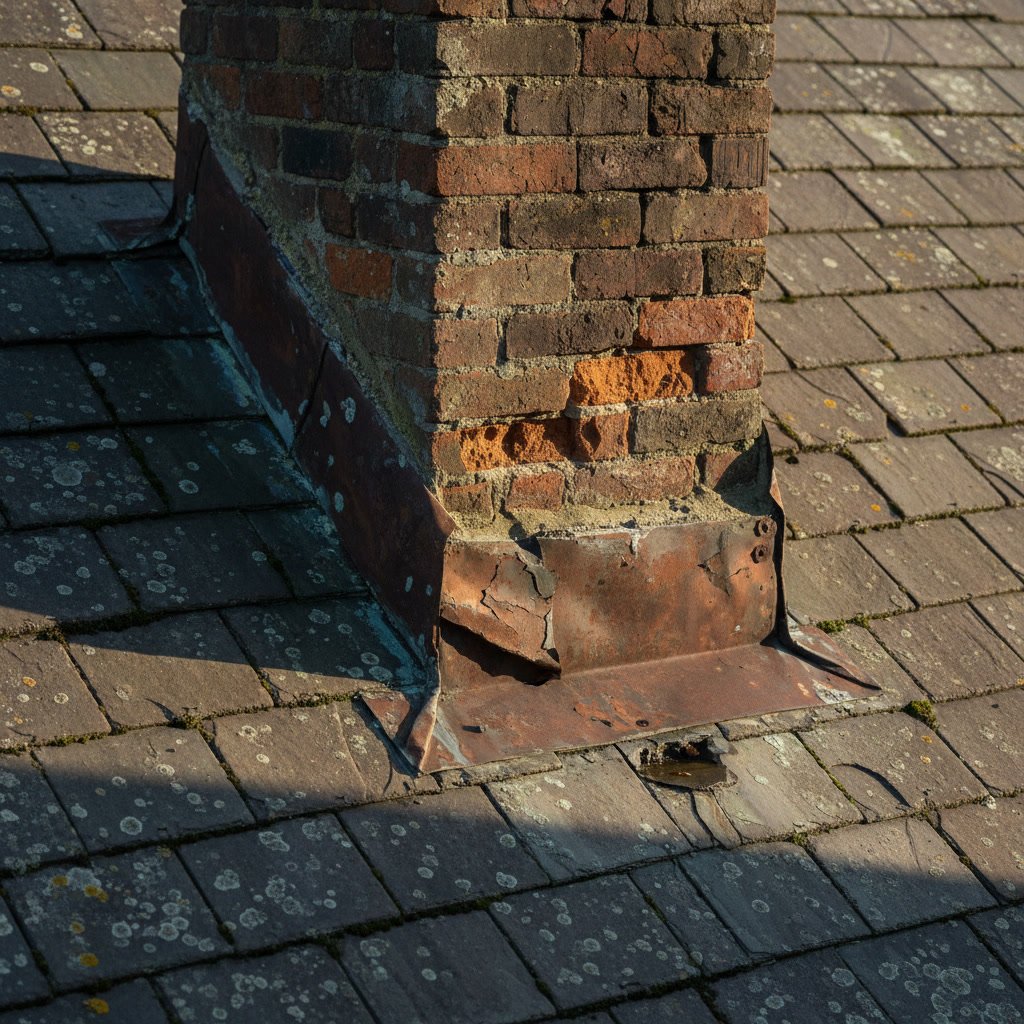
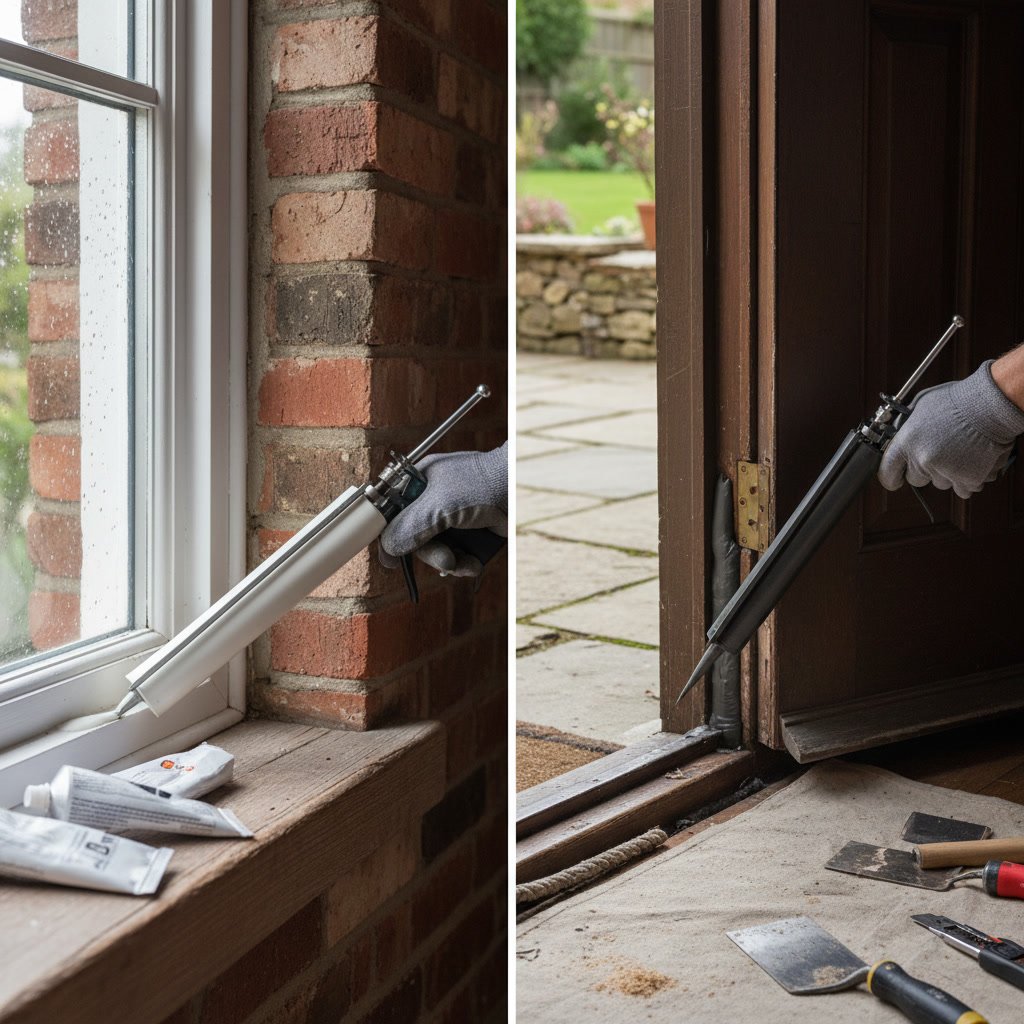
Window and door openings require different caulking approaches because they experience distinct movement patterns, exposure levels, and structural demands. Understanding window vs door caulking differences helps you choose the right sealant and technique for each application. Windows typically need flexible, UV-resistant products that accommodate thermal expansion, while doors require durable, high-traffic formulations that withstand constant friction and impact.
Why Different Openings Need Different Sealing Strategies
Your home’s openings serve different purposes and face unique environmental challenges. Windows remain stationary most of the time, expanding and contracting with temperature changes. Doors open and close dozens of times daily, creating friction against seals and frames. These fundamental differences determine which caulking materials will last and which will fail prematurely.
Exterior exposure also varies significantly. South-facing windows endure intense UV radiation that breaks down certain sealants within months. Entry doors face rain driven horizontally by wind, requiring deeper seal profiles. Storm doors create airflow patterns that pull moisture into gaps unless properly sealed. Each scenario demands a specific product formulation.
How Movement Patterns Shape Material Selection
Windows experience two primary types of movement. Thermal cycling causes frames to expand in summer heat and contract during winter cold. A single-pane aluminum window frame can shift up to 1/8 inch across a standard opening. Modern vinyl windows move even more. Your caulk must stretch and compress repeatedly without losing adhesion.
Doors endure mechanical stress instead. Every time someone closes a door, vibration travels through the frame. Weatherstripping compresses against stops. Hinges flex slightly. Over years, this constant movement works rigid caulks loose. The best window and door caulking products account for these different stress patterns.
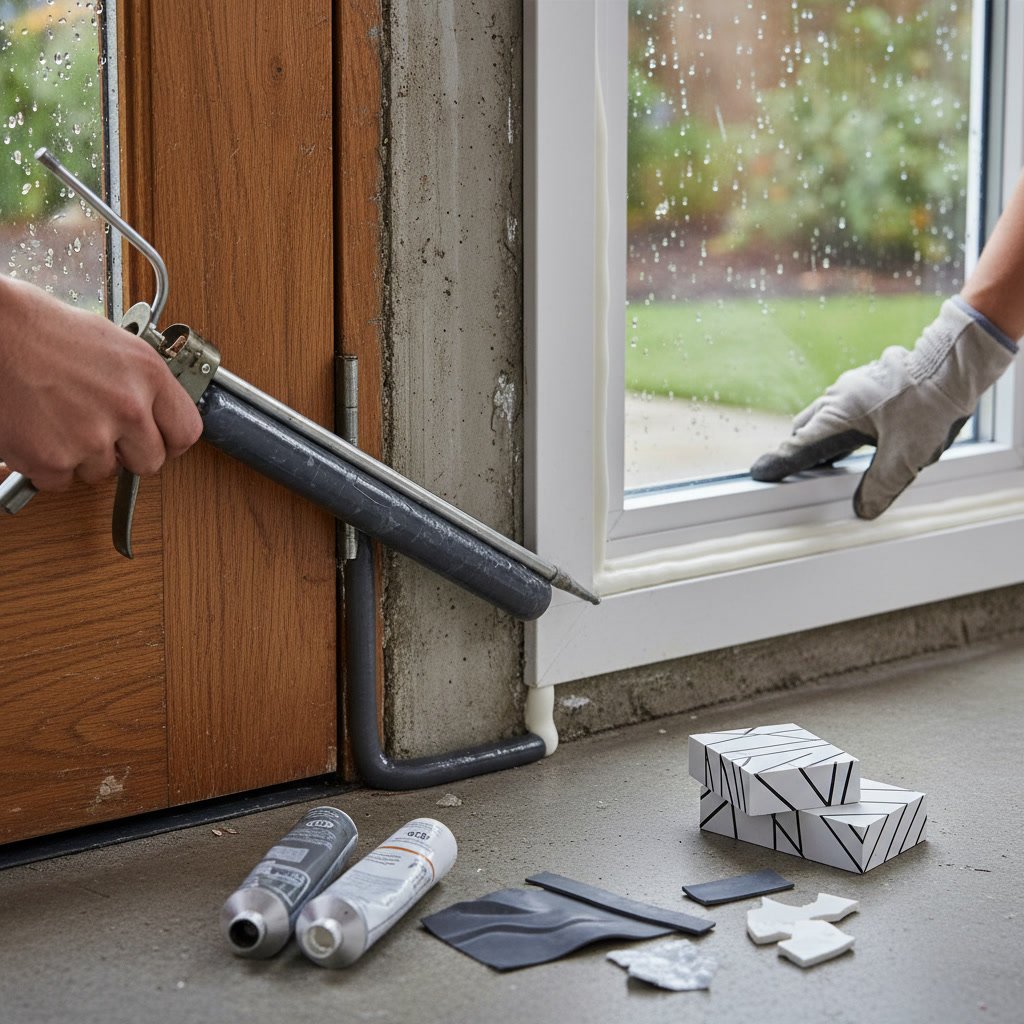
Silicone vs Polyurethane for Window Applications
Pure silicone caulk remains the gold standard for most window installations. It maintains flexibility across temperature extremes from -40 to 400 degrees Fahrenheit. UV resistance keeps it intact for 20 years or more on sun-exposed elevations. Silicone adheres well to glass, vinyl, aluminum, and painted wood without primers.
However, silicone cannot be painted. If you need a paintable solution around wood window trim, modified silicone or polyurethane works better. Polyurethane cures harder than silicone but still offers good flexibility. It accepts paint within hours and bonds strongly to porous surfaces. The tradeoff is shorter lifespan, typically 10 to 15 years versus silicone’s two decades.
One detail professionals know: never apply silicone over old latex caulk. The bond will fail within months. Remove every trace of previous sealant first. This principle applies to all caulking work but becomes critical on windows where water infiltration causes hidden structural damage.
Door Caulking Materials Built for Durability
Door frames need caulks that resist abrasion and impact. Polyurethane sealants excel here. They cure to a tough, rubber-like consistency that withstands shoes scraping against thresholds and door edges bumping frames. Most polyurethane formulations accept paint, letting you match trim colors seamlessly.
Hybrid polymer sealants combine silicone flexibility with polyurethane toughness. These newer products perform well in high-traffic door applications while maintaining better elasticity than pure polyurethane. They cost more per tube but deliver superior longevity on entry doors, storm doors, and garage door frames.
Acrylic latex caulk still has limited uses around interior door casings in climate-controlled spaces. It’s inexpensive, paintable, and easy to clean up. But exterior doors need stronger solutions. Latex breaks down rapidly under moisture cycling and temperature swings.
Application Techniques That Prevent Common Failures
Proper surface preparation determines caulk lifespan more than product choice. Remove all loose paint, dirt, and old sealant. Wipe surfaces with denatured alcohol to eliminate oils that prevent adhesion. Let everything dry completely before applying new caulk, even if the product claims to work on damp surfaces.
Cut caulk tube nozzles at a 45-degree angle, with the opening matching your gap width. Smaller beads cure faster and look cleaner than oversized applications. Move the caulk gun smoothly at a consistent speed, pushing the bead ahead of the nozzle rather than pulling it behind. This technique forces material deep into gaps.
Tool the bead within five minutes of application. A wetted finger works for small jobs, but a proper caulk-smoothing tool creates more consistent profiles. On windows, keep beads thin and tight to the glass. On doors, build slightly thicker beads that can compress under impact without breaking adhesion.
When to Use Backer Rod in Larger Gaps
Gaps wider than 3/8 inch need backer rod before caulking. This foam cylinder fills deep voids and gives caulk a proper surface to bond against. Without backer rod, thick caulk beads cure slowly and often sink inward, creating depressions that collect water.
Choose closed-cell backer rod for exterior applications. It won’t absorb water like open-cell foam. Size the rod about 1/8 inch larger than your gap width so it compresses slightly when inserted. Push it to a depth that leaves 1/4 to 3/8 inch for caulk. This ratio lets the sealant flex properly under stress.
Door frames frequently need backer rod where brick or siding meets wood trim. Windows rarely require it unless installed in masonry openings. Part of comprehensive weatherproofing strategies, proper gap filling prevents air leaks that increase heating costs and allows moisture intrusion that damages framing.
Color Matching and Aesthetic Considerations
Clear caulk seems like an easy solution, but it often yellows on exterior applications. White, almond, and brown remain the most practical colors for window and door work. Match caulk to the frame color rather than siding or trim for the cleanest appearance.
Paintable caulks let you achieve perfect color matches on custom-painted trim. Apply caulk first, let it cure according to manufacturer specifications, then paint over it. Painting too early traps solvents that prevent proper curing. The caulk will remain soft and eventually fail.
On brick homes common throughout Affton and surrounding St. Louis communities, mortar-colored caulk blends better than white around masonry window openings. Some manufacturers offer tan and gray shades specifically for this purpose. Just as different weatherproofing methods suit different brick structures, caulk color choices should complement your home’s materials.
Temperature and Weather Timing for Best Results
Most caulks require application between 40 and 90 degrees Fahrenheit. Cold temperatures slow curing and prevent proper adhesion. Excessive heat causes solvents to evaporate too quickly, leaving voids in the cured bead. Check both air temperature and surface temperature before starting.
Avoid caulking in direct sunlight on hot days. The surface may be 20 to 30 degrees warmer than air temperature. Early morning or late afternoon applications work best in summer. In cooler months, choose the warmest part of the day and avoid rain forecasts for at least 24 hours after application.
Humidity affects cure times significantly. High humidity slows curing for most sealants but actually helps silicone cure faster. Read product specifications carefully. Some advanced formulations cure in light rain, but traditional products need dry conditions to perform properly.
Maintenance Schedules and Inspection Points
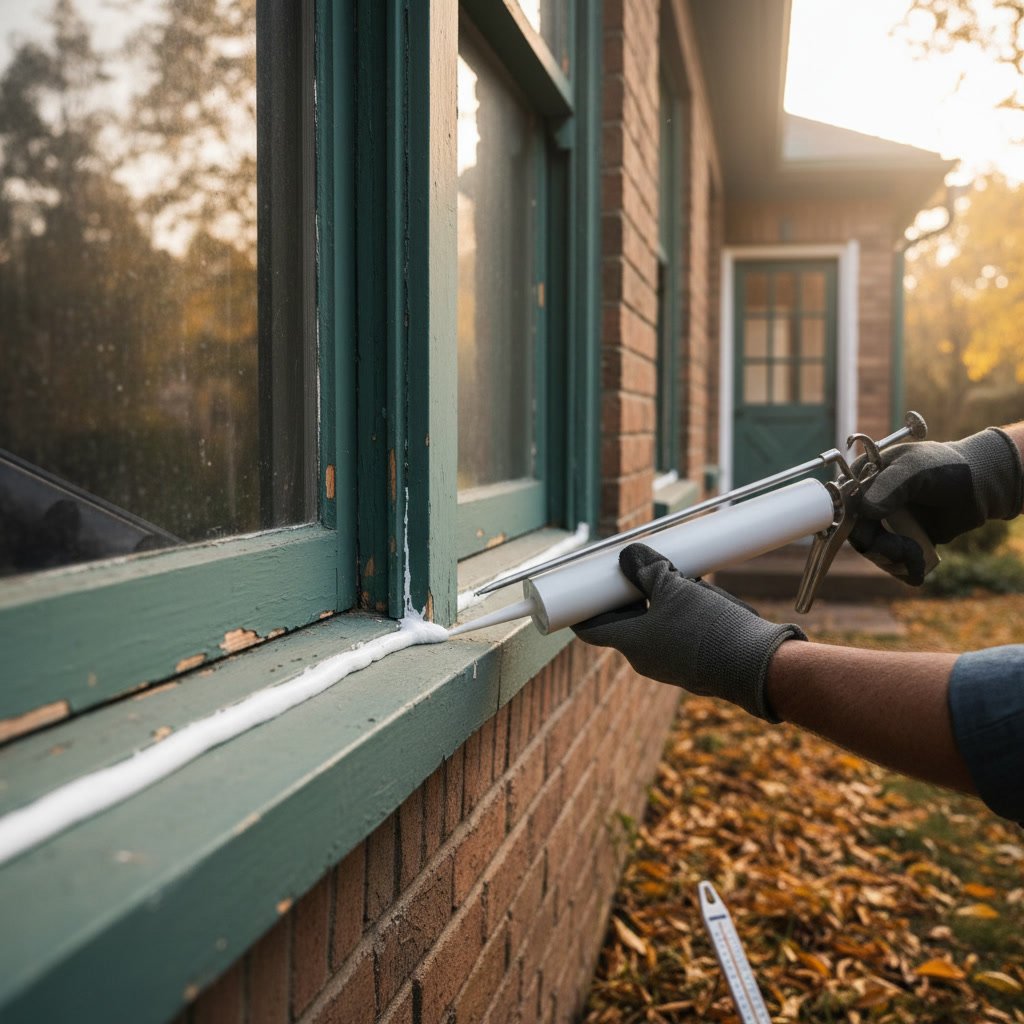
Inspect window and door caulking annually, ideally in early fall before winter weather arrives. Look for cracks, gaps, or areas where caulk has pulled away from surfaces. Peeling paint near caulk lines often indicates water infiltration behind the sealant.
Windows on south and west elevations typically need attention first due to UV exposure. Check corners where two caulk beads meet, as these joints often fail before straight runs. On doors, examine the bottom corners of frames where water pools and freeze-thaw cycles cause the most damage.
Plan to recaulk windows every 10 to 15 years with quality products, sooner with budget materials. Door frames may last 15 to 20 years if properly sealed initially. Catching small failures early prevents water damage that costs thousands to repair. The same principle applies to all exterior masonry work, which is why regular inspections of brick restoration needs prevent major structural issues.
Professional vs DIY Application Decisions
Simple caulking projects make good DIY tasks if you have steady hands and patience. Replacing failed caulk around a few windows or a single door requires minimal investment in tools. A quality caulk gun, proper sealant, and basic preparation supplies cost under 50 dollars.
Larger projects involving entire home exteriors benefit from professional experience. Experts complete the work faster, achieve cleaner results, and know which products suit your specific conditions. They also spot related problems like rotted wood or masonry damage that DIY homeowners often miss until issues worsen.
Projects combining caulking with other exterior work particularly favor professional help. If you’re already having masonry restoration or brick repairs done, adding window and door sealing makes sense. Contractors can coordinate work to minimize disruption and ensure all systems integrate properly.
Protecting Your Investment With the Right Approach
Effective sealing around windows and doors starts with understanding how these different openings behave. Windows need flexible, UV-resistant materials that accommodate thermal movement. Doors require durable formulations that withstand mechanical stress and high-traffic wear. Matching products to applications, preparing surfaces thoroughly, and following proper techniques ensures seals that protect your home for years.
Massey Tuckpointing & Masonry has served St. Louis area homeowners since 2002 with expert caulking, weatherproofing, and masonry services. Our family-owned company brings professional-grade materials and techniques to every project, whether you need a single door sealed or complete exterior weatherproofing. If you’re ready to protect your home with properly applied window and door caulking, reach out at +13142009488 to discuss your specific needs.