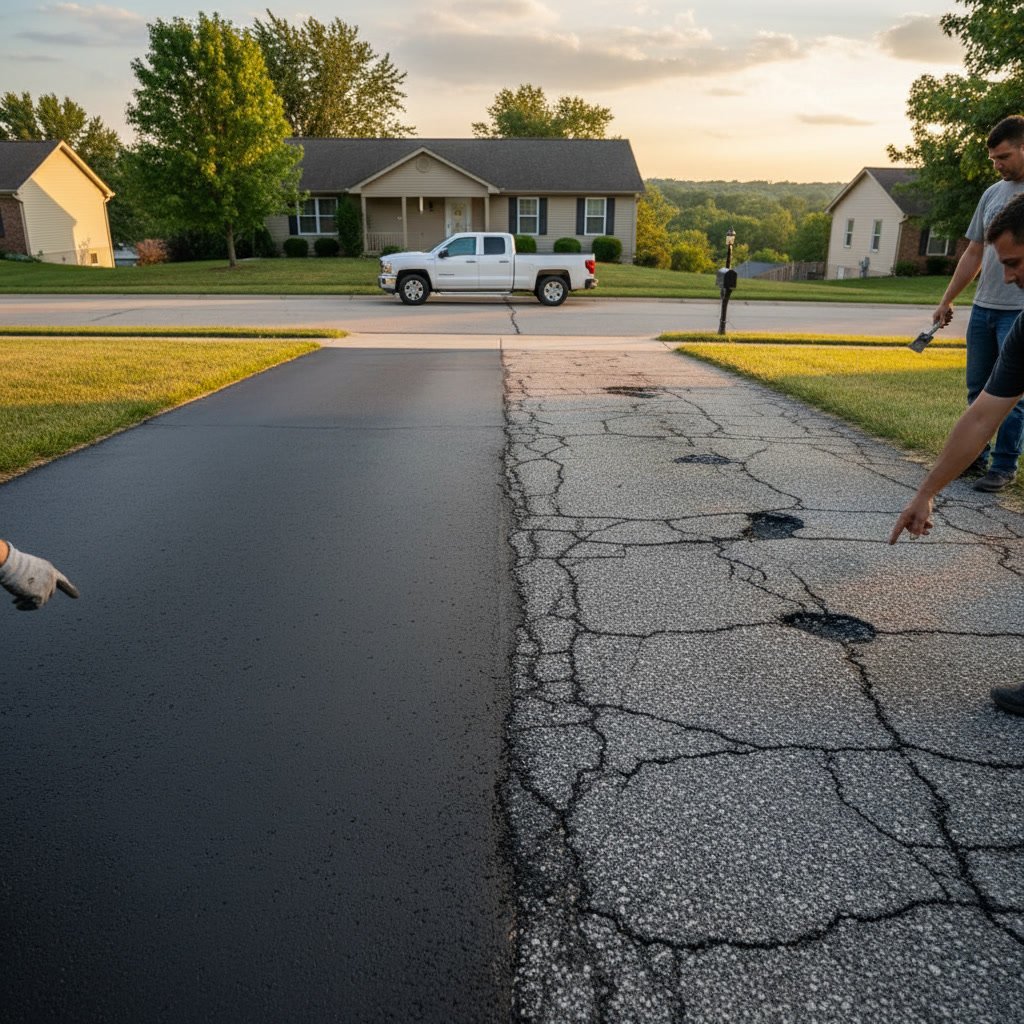
Your driveway needs sealing when you notice fading color, small cracks, or water absorption on the surface. Resurfacing becomes necessary when damage extends deeper, with wide cracks, uneven settling, or large sections of deterioration. Understanding the difference between surface-level wear and structural damage helps you choose the right repair approach and avoid costly mistakes. Most driveways show early warning signs years before major failure, giving you time to act.
Why Regular Driveway Inspection Matters
Your driveway endures constant stress from vehicle weight, temperature swings, moisture penetration, and freeze-thaw cycles. Concrete and asphalt surfaces degrade gradually, starting with microscopic wear that accelerates into visible damage. Regular inspections help you catch problems while they’re still affordable to fix. A minor repair today prevents a complete replacement tomorrow.
Most homeowners overlook their driveway until damage becomes obvious. By then, simple sealing often won’t solve the problem. Walking your driveway every few months lets you spot the earliest signs of wear. Look at the surface in different lighting conditions and after rainfall to see how water behaves on the concrete or asphalt.
Understanding Sealing vs. Resurfacing in Affton
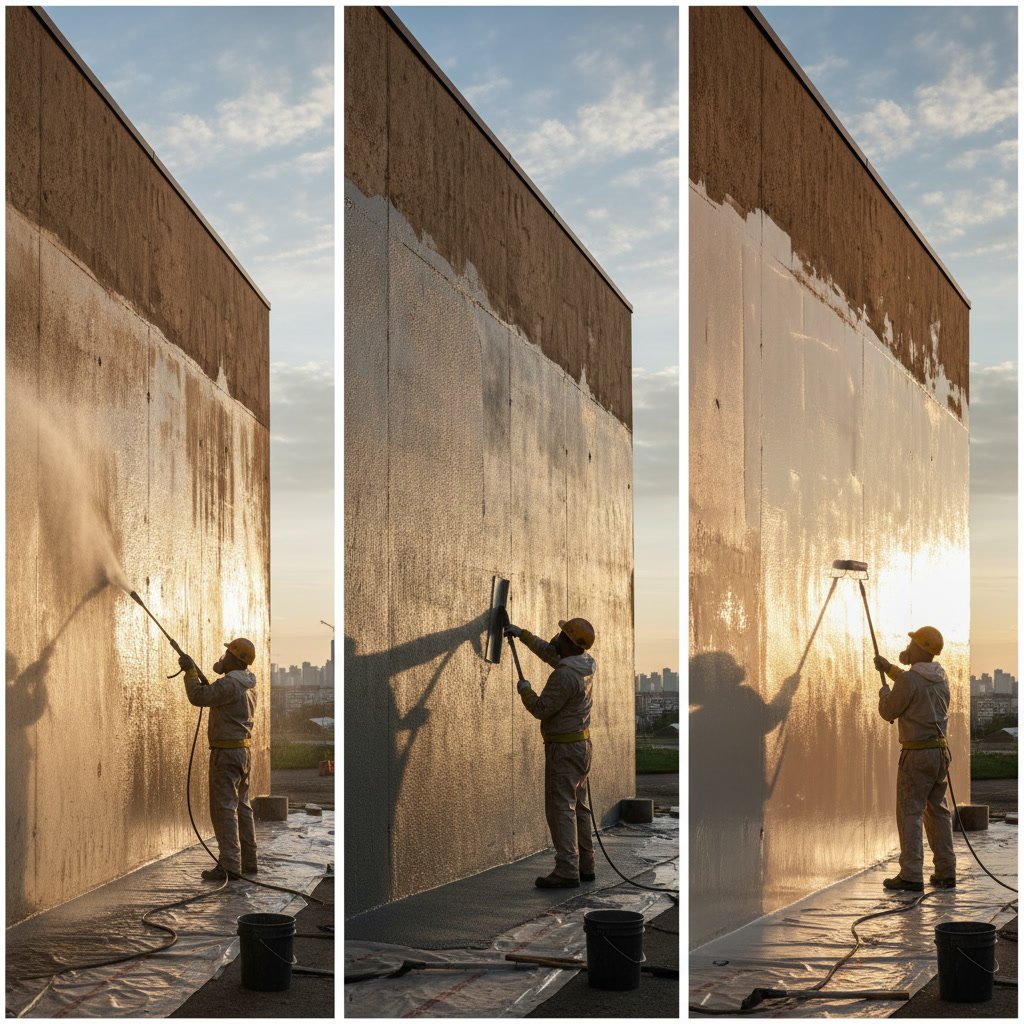
Sealing protects the existing surface by creating a barrier against moisture, oils, and UV damage. It works for driveways with minor wear, small hairline cracks, and surface fading. The sealant penetrates shallow cracks and creates a protective film that extends the life of sound concrete or asphalt. Think of sealing as preventive maintenance that preserves what’s already in good condition.
Resurfacing involves applying a new layer over the existing base or removing damaged material and replacing it. This approach addresses structural problems, deep cracks, widespread crumbling, or significant settling. Resurfacing costs more but solves problems that sealing can’t touch. When the damage extends into the substrate, surface treatments simply hide the issue temporarily.
Surface Color Changes That Signal Maintenance Needs
Fresh asphalt appears deep black, while new concrete shows a uniform gray. As driveways age, their color fades to lighter gray or brownish tones. This fading indicates that the protective oils in asphalt have oxidized or that concrete has weathered. Faded color means the surface has lost its water resistance and needs attention.
Uneven fading across the driveway suggests differential wear. Areas that receive more sun exposure or vehicle traffic fade faster. If half your driveway looks significantly lighter than the other half, the lighter sections have lost more protection. Sealing can restore uniform color and protection to faded surfaces before deeper damage occurs.
Crack Patterns and What They Mean
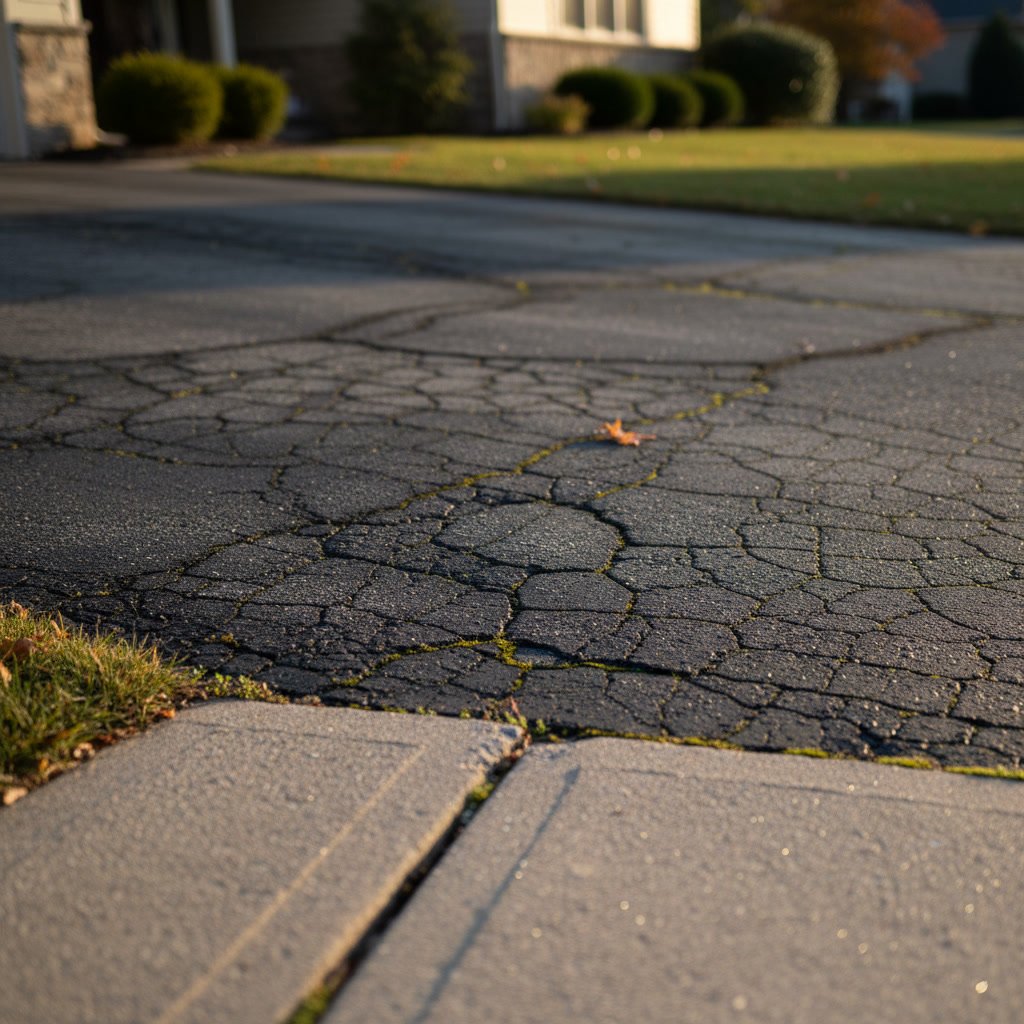
Hairline cracks less than one-eighth inch wide typically indicate surface shrinkage or minor settling. These cracks respond well to professional sealing services because they haven’t compromised the structural integrity. The sealant fills these small gaps and prevents moisture from widening them through freeze-thaw action.
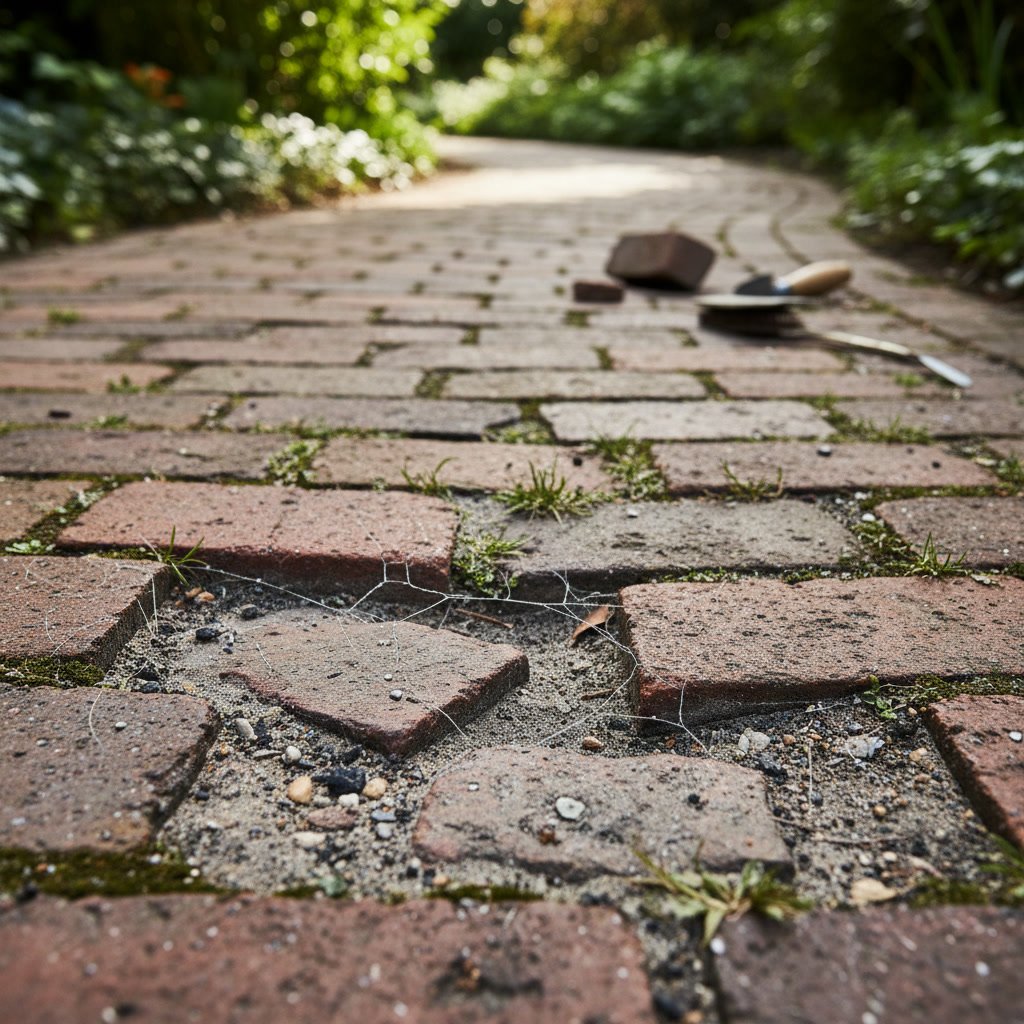
Cracks wider than one-quarter inch or those showing vertical displacement need more than sealing. When one side of a crack sits higher than the other, the substrate has shifted. Spiderweb cracking patterns across large sections indicate widespread failure. Deep cracks that you can fit a pencil into have allowed water to penetrate the base material, causing erosion underneath the visible surface.
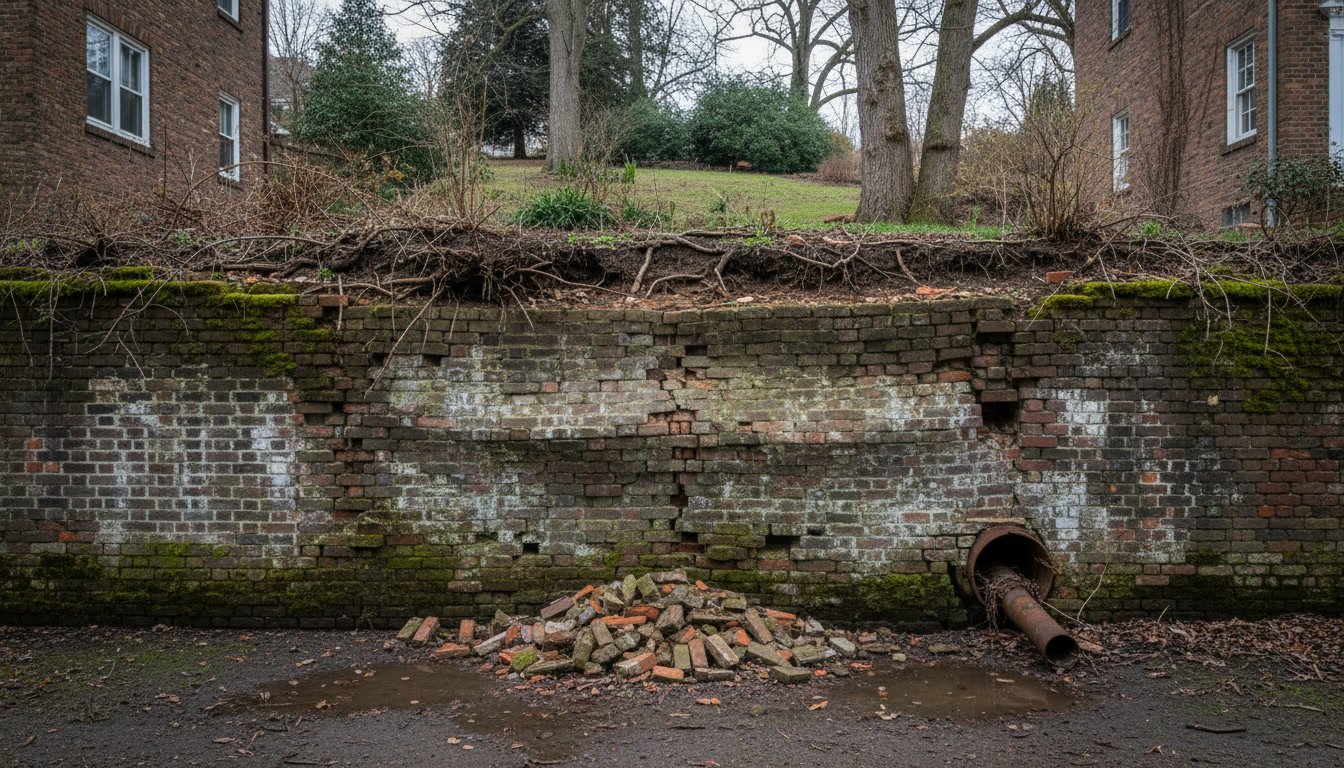
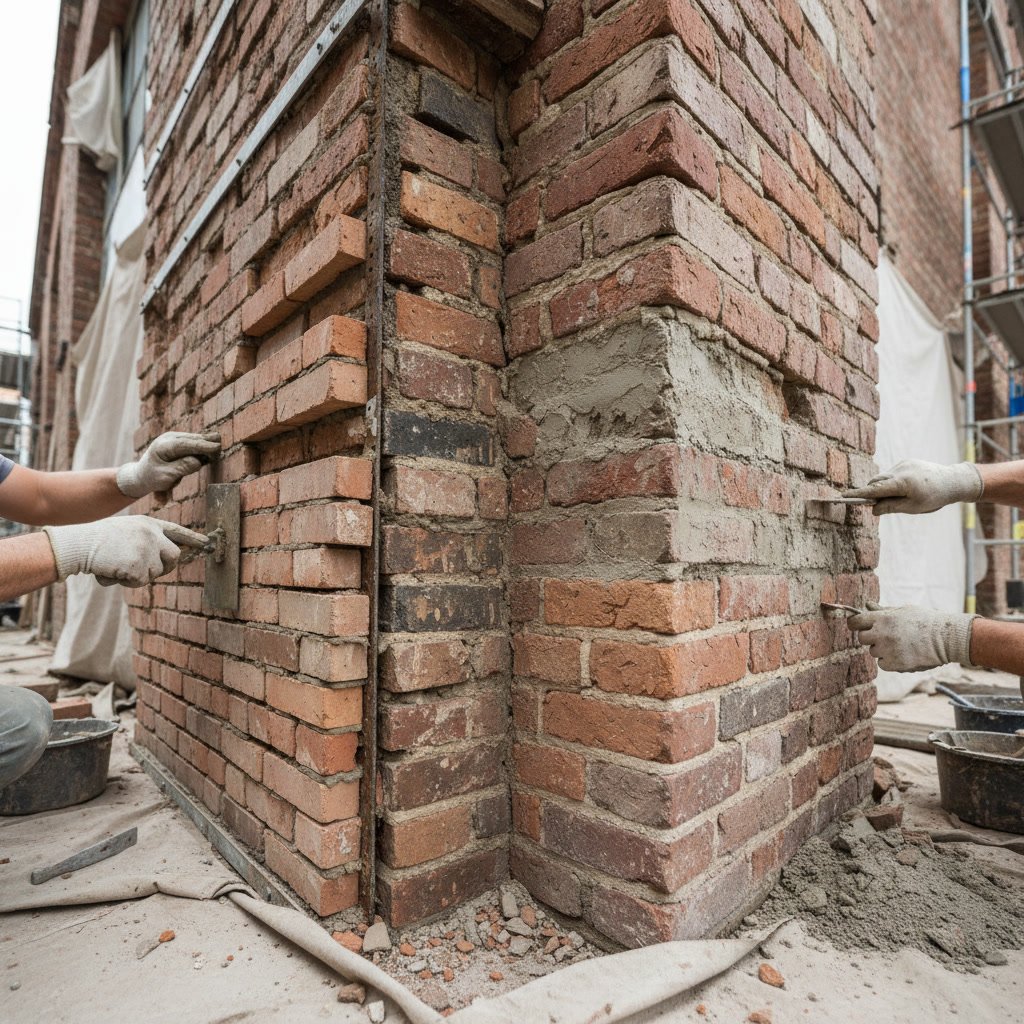
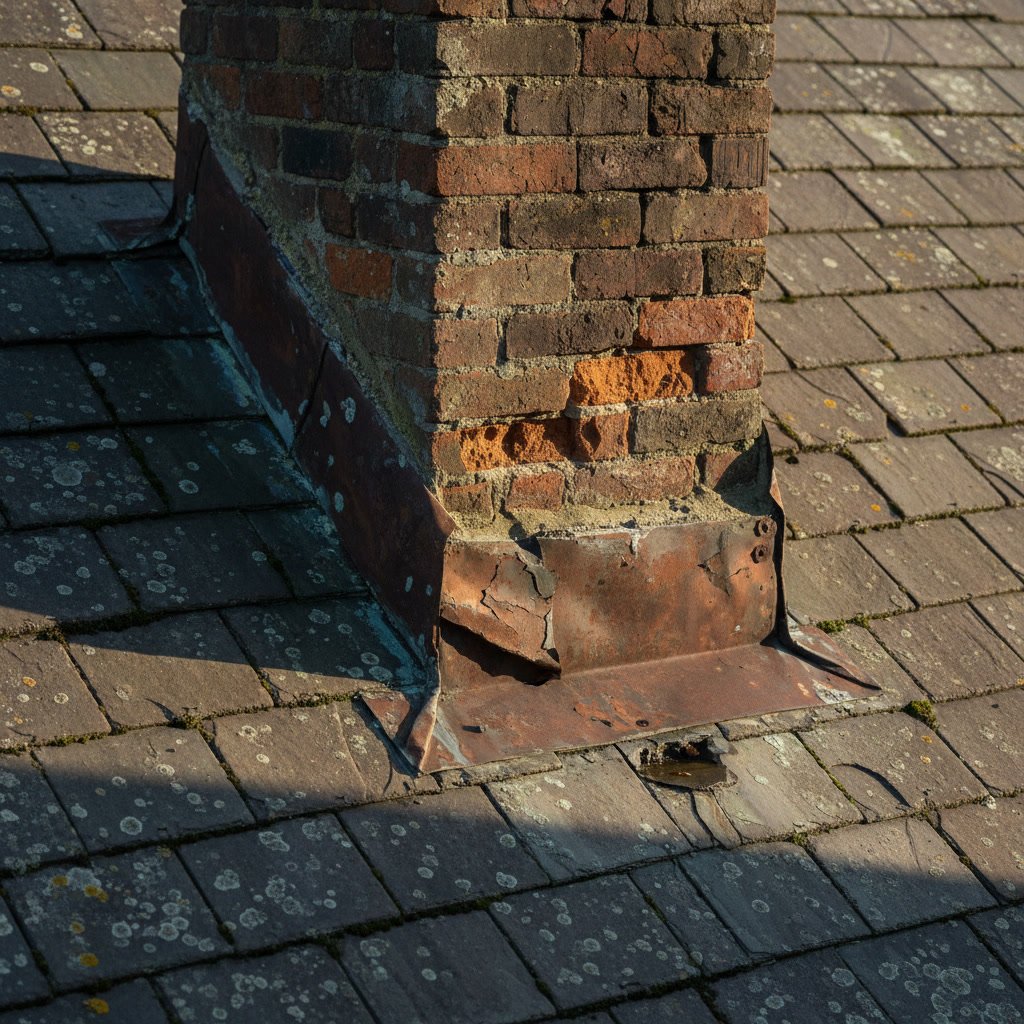
Cracks that run parallel to the home’s foundation often signal settling issues that affect both structures. The same principles that apply to masonry foundations apply to concrete slabs. If you’re seeing similar patterns on your home’s brick exterior, you might want to review information about recognizing when masonry structures need attention.
The Water Absorption Test
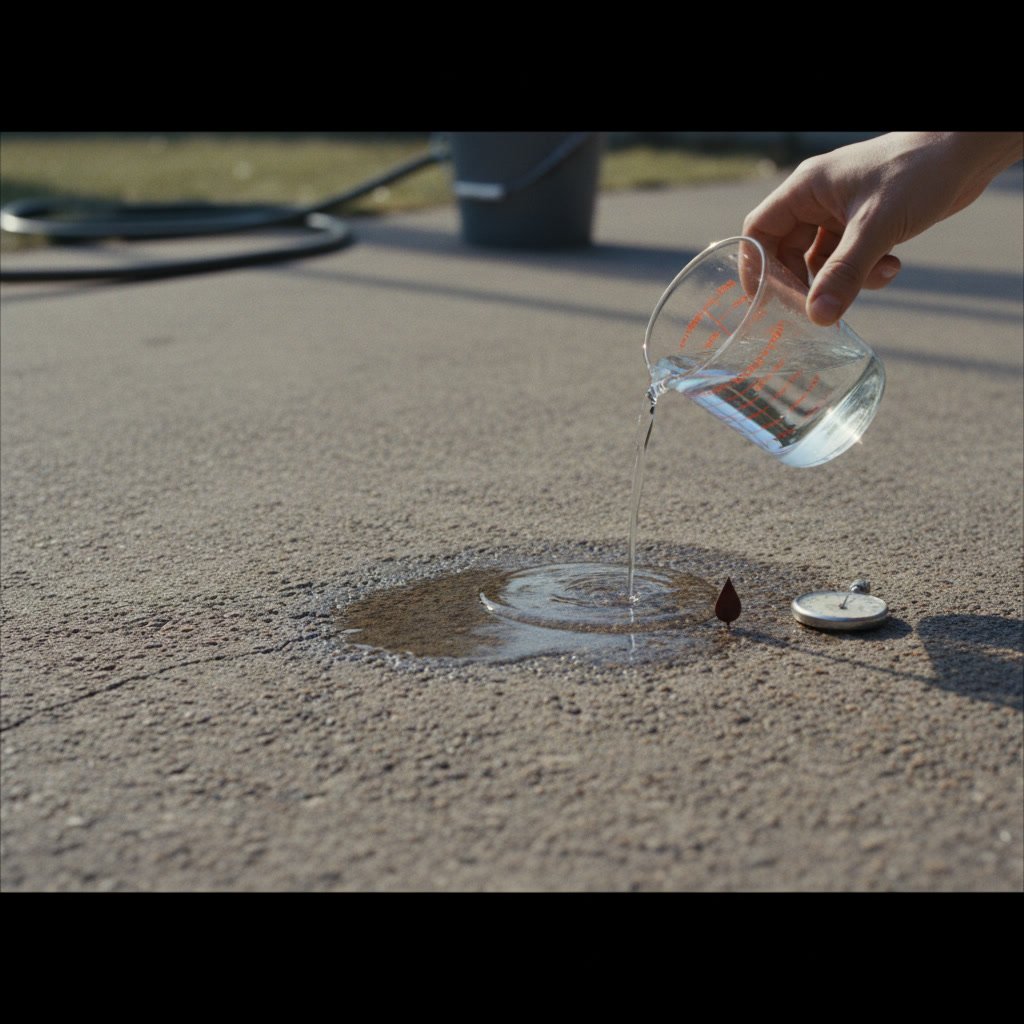
Pour a glass of water on different sections of your driveway and watch what happens. On a properly sealed surface, water beads up and stays on top for several minutes. If water soaks into the concrete or asphalt within 30 seconds, the surface has lost its protective barrier. This simple test tells you immediately whether sealing would benefit your driveway.
Run this test in multiple locations, especially where vehicle tires rest and near drainage areas. These high-stress zones often fail first. A driveway that fails the water test across most of its surface needs sealing soon. Once moisture penetrates freely, freeze-thaw damage accelerates rapidly during winter months.
Five Signs You Need Sealing Not Resurfacing
First, the surface shows fading but remains structurally sound with no flexing underfoot. Second, cracks measure less than one-eighth inch wide and show no vertical displacement. Third, the water absorption test fails in multiple spots. Fourth, the driveway is between five and ten years old and has never been sealed. Fifth, you notice minor surface pitting or small aggregate exposure but no large-scale deterioration.
These conditions indicate surface-level wear that sealing addresses effectively. Weatherproofing treatments applied at this stage add years to your driveway’s life. The investment in sealing pays for itself by delaying expensive resurfacing or replacement.
Five Signs You Need Resurfacing Not Sealing
First, cracks exceed one-quarter inch in width or show pieces of concrete breaking away. Second, you notice sections settling unevenly, creating trip hazards or pooling water. Third, the surface has widespread scaling where the top layer flakes off in thin sheets. Fourth, large areas show exposed aggregate with the binding material eroded away. Fifth, the driveway flexes or feels spongy when vehicles drive over certain sections.
These problems indicate structural compromise that surface treatments can’t fix. Resurfacing becomes the cost-effective choice because it addresses the underlying damage. Applying sealant over severely damaged concrete wastes money and provides false security.
Drainage Issues and Standing Water
A properly graded driveway sheds water toward drainage areas within hours of rainfall. Standing water that remains for 24 hours or more indicates settling, inadequate slope, or base erosion. These puddles accelerate deterioration by keeping the surface saturated and allowing freeze-thaw cycles to work their damage.
Small drainage problems sometimes respond to targeted repairs and sealing. Widespread pooling across large sections typically means the base has settled unevenly and requires resurfacing to restore proper grade. The longer you ignore standing water, the more extensive the eventual repair becomes. Moisture is the enemy of all paving materials.
Edge Deterioration and Base Exposure
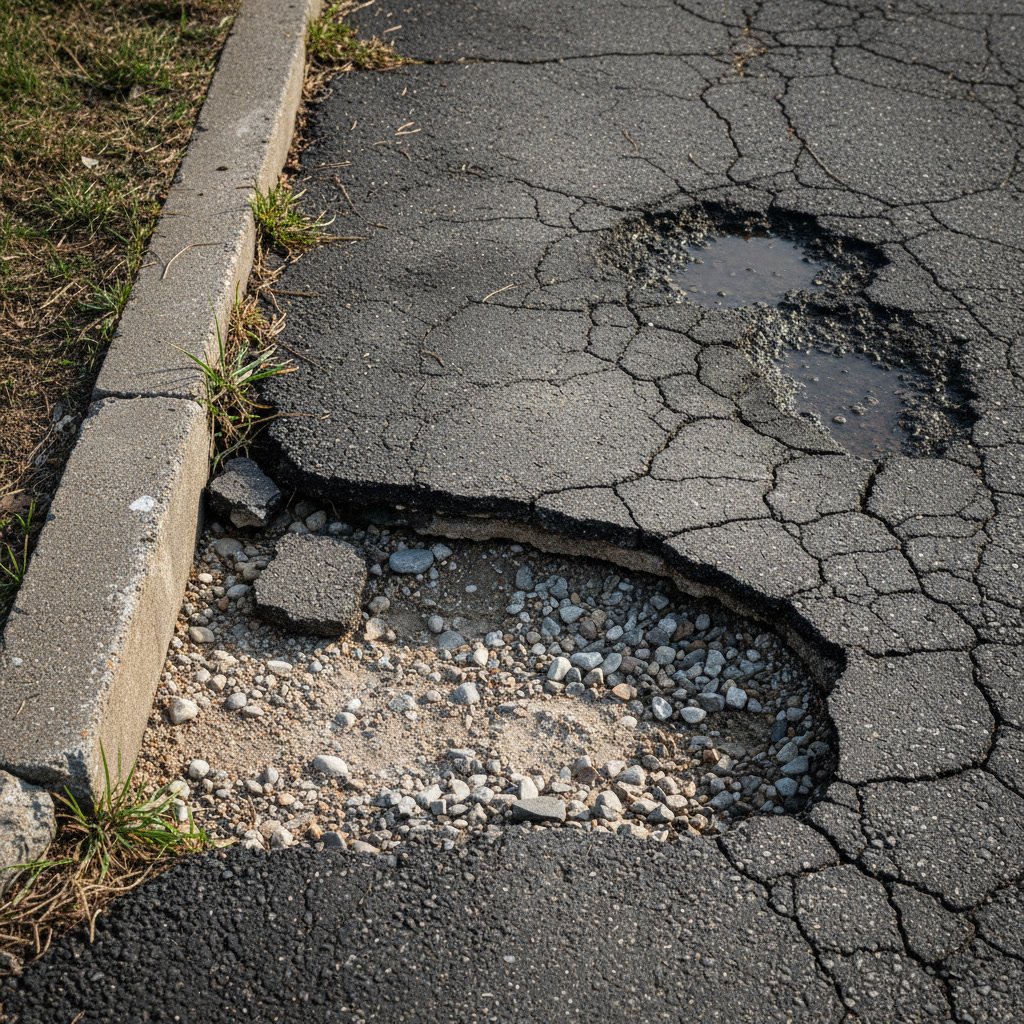
Driveway edges receive extra stress from temperature changes and often lack the reinforcement of the main slab. Crumbling edges, exposed aggregate, or visible base material along the sides indicate advanced wear. Minor edge damage responds to patching and sealing. Extensive edge failure that extends more than six inches into the driveway requires resurfacing or edge reconstruction.
The same deterioration patterns appear in other masonry structures around your property. Homeowners in Webster Groves and throughout St. Louis County often discover that when one concrete surface fails, others show similar age-related wear. Addressing multiple areas during a single project often saves money on mobilization costs.
Timing Your Driveway Maintenance
Seal driveways during warm, dry weather when temperatures stay above 50 degrees for at least 48 hours after application. Spring and fall provide ideal conditions in the St. Louis region. Avoid sealing during summer heat waves above 90 degrees, as sealant can dry too quickly and not bond properly.
Resurfacing projects require several days of favorable weather and careful planning around your access needs. Most contractors recommend resurfacing in late spring or early fall when temperature swings are minimal. Winter damage often becomes apparent in spring, making that season ideal for assessment and planning.
Protecting Your Investment for Years Ahead
Catching driveway damage early saves thousands compared to full replacement. A typical driveway sealed every three to five years lasts 25 to 30 years. The same driveway ignored until major damage occurs might need replacement at 15 years. The difference between a 300-dollar sealing job and a 5,000-dollar replacement comes down to regular attention and timely intervention.
Professional assessment removes the guesswork from your decision. Experienced contractors distinguish between cosmetic issues and structural problems instantly. They can identify base problems that aren’t visible from the surface and recommend the most cost-effective solution. Massey Tuckpointing & Masonry has helped St. Louis area homeowners make these decisions since 2002, bringing practical experience to every evaluation.
Your driveway tells you what it needs through visible signs. Learning to read those signals helps you act at the right time with the right solution. Whether your situation calls for sealing to preserve a sound surface or resurfacing to address deeper damage, taking action before minor problems become major failures protects both your property value and your budget. If you’re unsure which approach suits your driveway’s condition, reach out to Massey Tuckpointing & Masonry at +13142009488 for a professional assessment that gives you clear answers and honest recommendations.