
Crumbling mortar between your bricks signals a problem, but knowing how to fix it isn’t always straightforward. Property owners across the St. Louis area often hear the terms tuckpointing and repointing used interchangeably, but they describe different techniques with distinct purposes. Understanding tuckpointing vs repointing helps you make informed decisions about protecting your masonry investment and ensures you get the right repair for your specific situation.
Both processes involve mortar repair, but the execution and final appearance differ significantly. One focuses purely on structural integrity, while the other combines restoration with aesthetic enhancement. Your home’s needs, the condition of existing mortar, and your desired outcome all factor into which approach makes sense.
What Is Repointing?
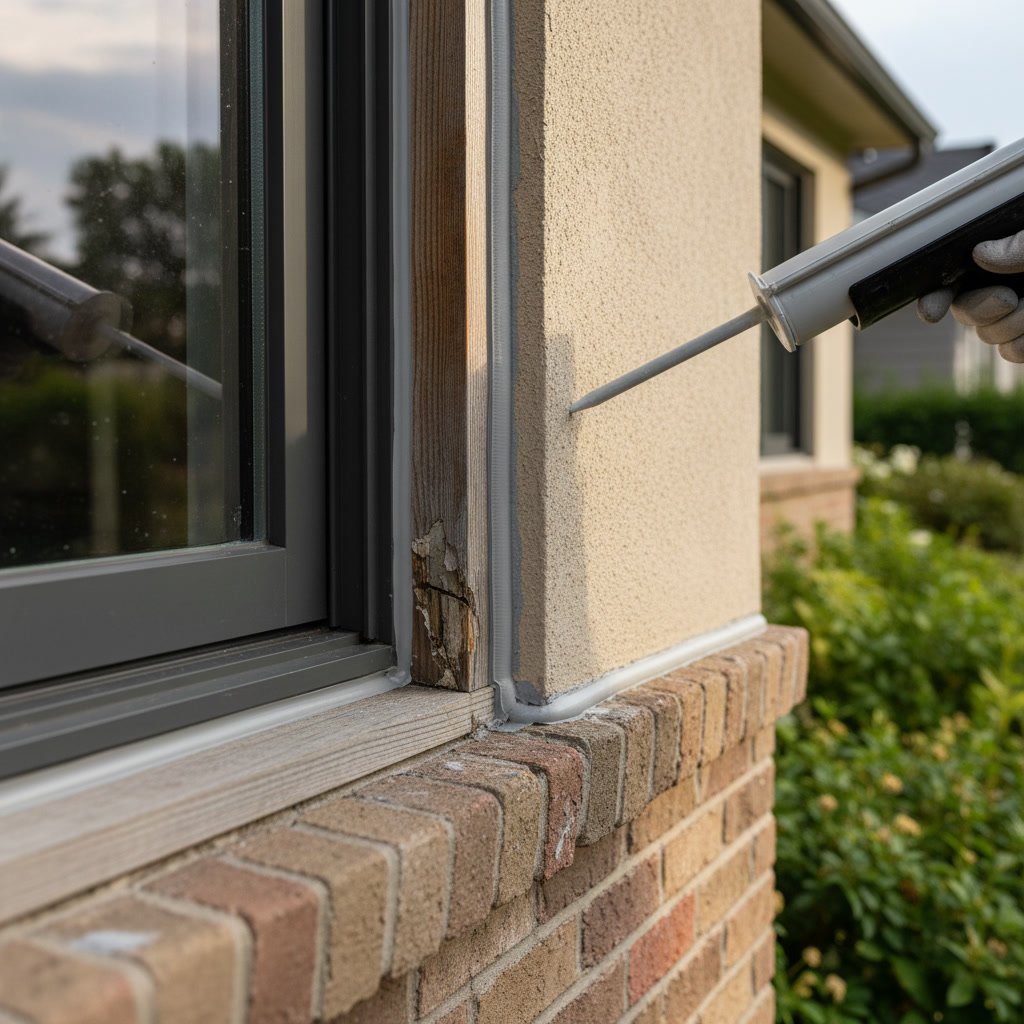
Repointing is the straightforward process of removing deteriorated mortar from the joints between bricks or stones and replacing it with fresh mortar. The mason removes damaged material to a specific depth, typically 0.5 to 1 inch, then fills the joint with new mortar that matches the composition and strength of the original.
This technique prioritizes structural integrity and weatherproofing. The new mortar should blend with existing joints in color and texture, but repointing doesn’t attempt to create decorative patterns or contrasting lines. The goal is simple: restore the bond between masonry units and prevent water infiltration that causes further damage.
Repointing became the standard repair method in American masonry during the mid-20th century. Most modern brick restoration projects use this technique because it’s efficient, cost-effective, and provides excellent protection when done correctly.
The mortar used in repointing must be softer than the brick or stone it surrounds. This allows the joint to absorb stress and moisture movement without cracking the masonry units themselves. Using mortar that’s too hard is one of the most common mistakes in DIY repairs, leading to brick damage that costs far more to fix than the original joint repair would have.
What Is Tuckpointing?
Tuckpointing is a specialized technique that creates the illusion of very fine, precise joint lines. Masons fill the joints with mortar that closely matches the brick color, then apply a thin contrasting line, traditionally lime putty, down the center of each joint. This contrasting line, called a tuck or fillet, is typically white or cream colored and sits slightly raised above the joint surface.
This decorative approach originated in 18th-century England, where builders used it to make inexpensive brickwork mimic the appearance of costly rubbed brick with fine joints. The technique migrated to America and became particularly popular in the late 1800s and early 1900s for high-end residential and commercial buildings.
True tuckpointing requires significant skill and time. The mason must carefully match the base mortar to the brick, then apply the contrasting ribbon with precision. When executed properly, the result creates striking visual impact and makes joints appear perfectly uniform, even when the actual joint width varies.
In modern usage, many contractors and property owners use “tuckpointing” as a catch-all term for any mortar joint repair, which creates confusion. When you call a masonry company asking for tuckpointing, they may be providing standard repointing unless you specifically request the decorative two-tone finish.
Key Differences Between Tuckpointing and Repointing
The distinction between tuckpointing vs repointing comes down to appearance, application method, and cost. Repointing uses a single mortar color that attempts to match or blend with the existing joints. Tuckpointing uses two colors: a base mortar matching the brick and a contrasting ribbon.
Appearance and Visual Impact
Repointing aims for an invisible repair. When done well, you shouldn’t notice where old mortar ends and new begins. The joints blend naturally with the surrounding masonry, maintaining the original character of the building.
Tuckpointing creates a deliberate visual statement. The contrasting ribbons draw attention to the joint pattern, creating crisp lines that emphasize the geometry of the brickwork. Historic buildings in areas like Ladue and Webster Groves often feature original tuckpointing that contributes to their architectural character.
Time and Complexity
Repointing typically takes less time because it involves a single mortar application. Once the old mortar is removed and the joints are prepared, the mason fills them with new mortar and finishes the surface.
Tuckpointing requires multiple steps: removing old mortar, applying the base color, allowing it to set to the right consistency, then carefully applying the contrasting ribbon. Each step demands precision, and the decorative ribbon must be applied when the base mortar reaches the perfect firmness, neither too soft nor too hard.
Cost Considerations
Repointing generally costs less due to reduced labor time and simpler materials. If you’re looking at pricing for a standard repair, understanding tuckpointing costs in St. Louis helps set realistic budget expectations.
True tuckpointing with the decorative ribbon costs more, sometimes 25 to 40 percent higher than standard repointing, depending on the project scope and condition of the existing masonry. The additional expense reflects the specialized skill and extra time required.
How to Determine Which Service You Need
Your building’s age, architectural style, and current condition help determine whether repointing or tuckpointing makes sense. Most residential properties built after 1920 never had decorative tuckpointing and don’t require it for restoration purposes. Standard repointing provides all the structural protection these buildings need.
Historic homes built before 1920, particularly high-end residences in neighborhoods like Town & Country and South City, may have featured original tuckpointing. If you’re committed to historical accuracy and your budget allows, recreating the decorative finish maintains the building’s period character.
Signs You Need Mortar Repair
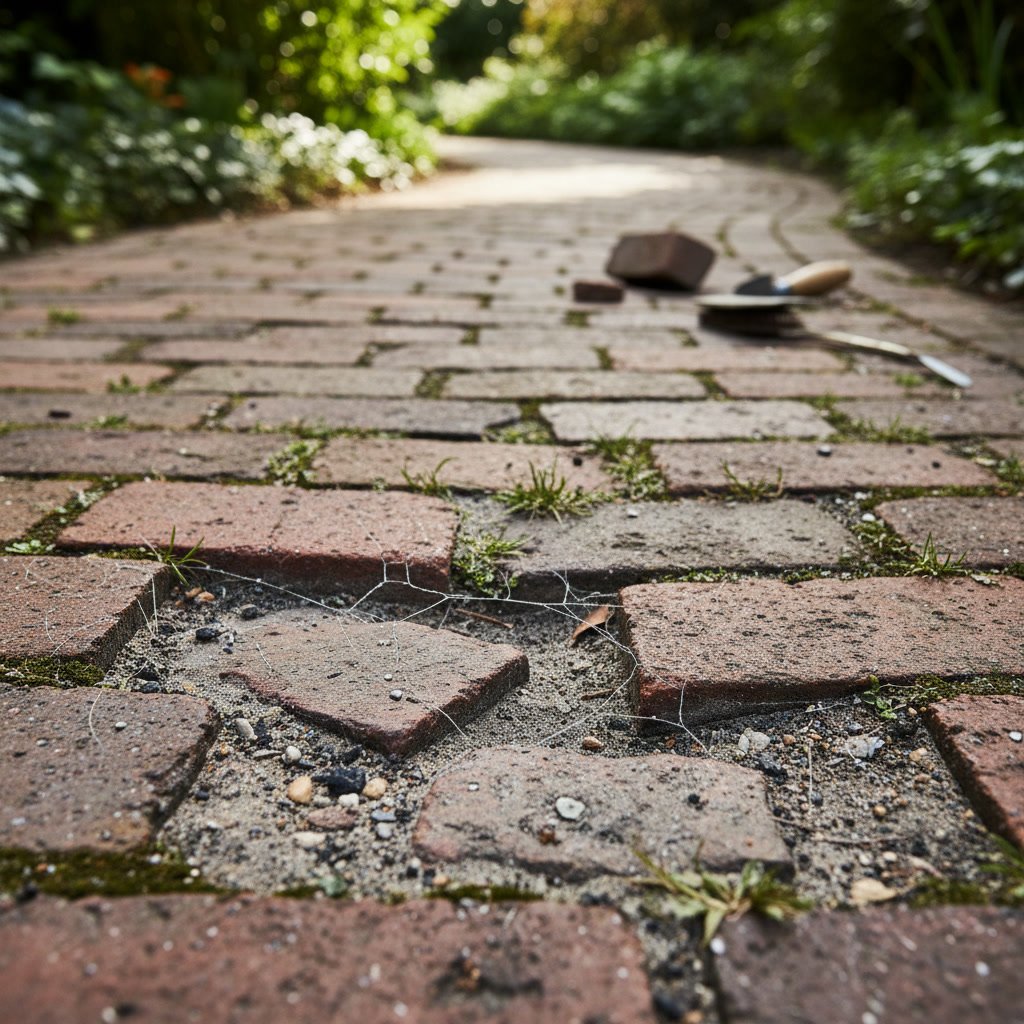
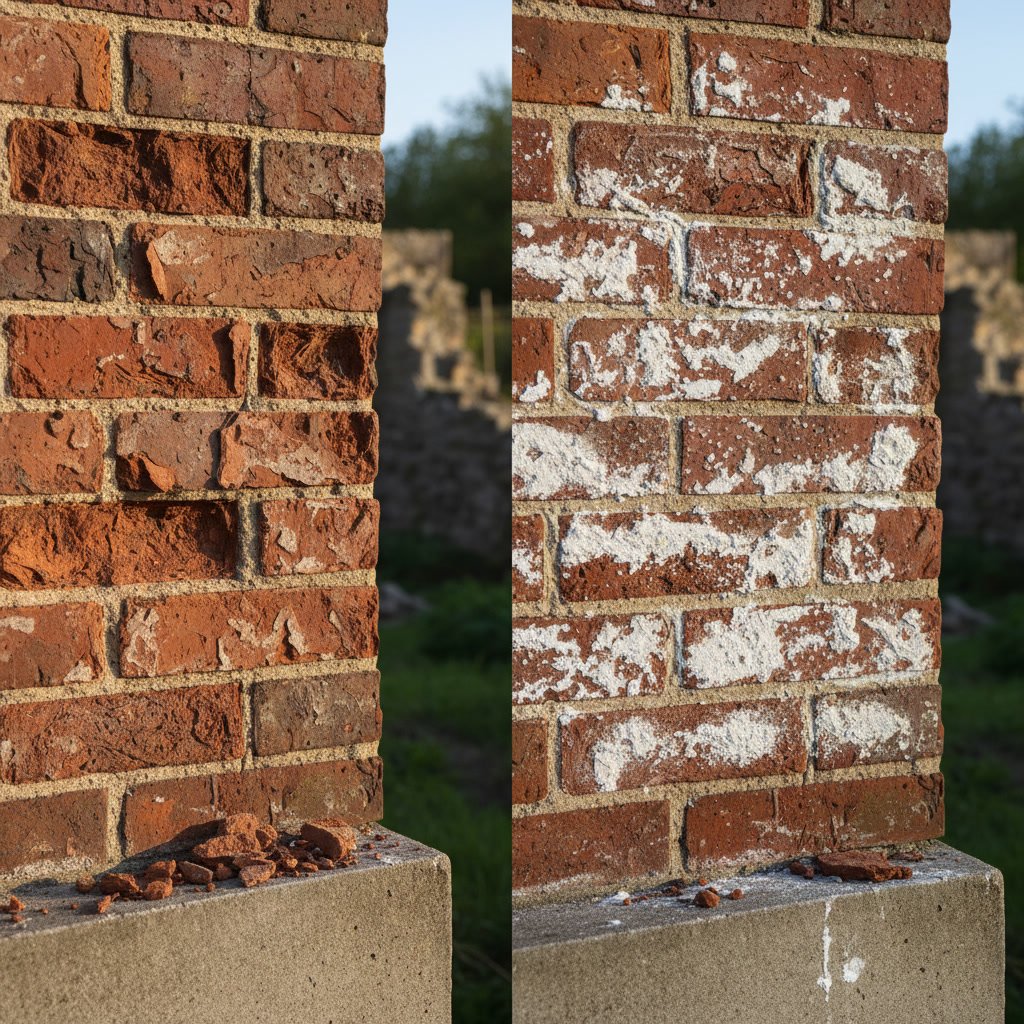
Regardless of which technique you choose, certain signs indicate your mortar joints need attention. Crumbling mortar that falls out when you run your finger along it requires repair. Gaps between bricks wider than one-eighth inch allow water penetration that accelerates damage.
Mortar that appears powdery or sandy has lost its binding strength. White deposits on brick surfaces, called efflorescence, indicate water is moving through the joints and carrying salts to the surface. Any of these conditions warrant professional assessment.
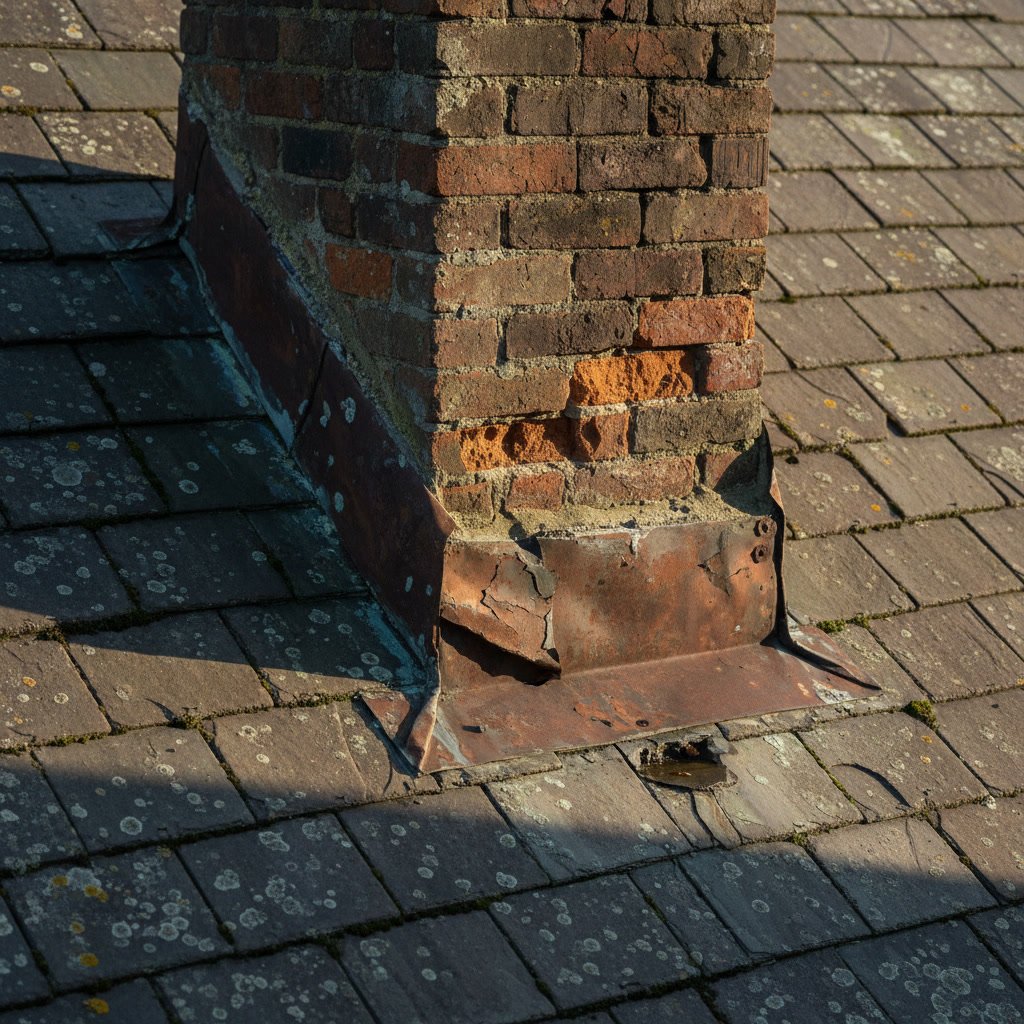
Chimneys deserve special attention because they face extreme weather exposure and temperature fluctuations. If you notice deteriorating mortar on your chimney, learning about when to replace or repair a chimney helps you address problems before they become dangerous.
Matching Historical Accuracy
If you own a historic property and aren’t sure whether it originally featured tuckpointing, look for evidence in protected areas. Check under eaves, behind downspouts, or in other locations where weathering is minimal. Original mortar color and any remnants of contrasting ribbons reveal what was there originally.
Historic preservation guidelines in some districts specify repair methods for contributing structures. Check with your local historic commission before proceeding if your building has landmark status or sits within a designated historic district.
Pro Tip: Take close-up photos of your mortar joints from multiple angles before meeting with contractors. These images help masons assess the condition remotely and provide more accurate estimates during initial consultations.
The Repair Process for Both Techniques
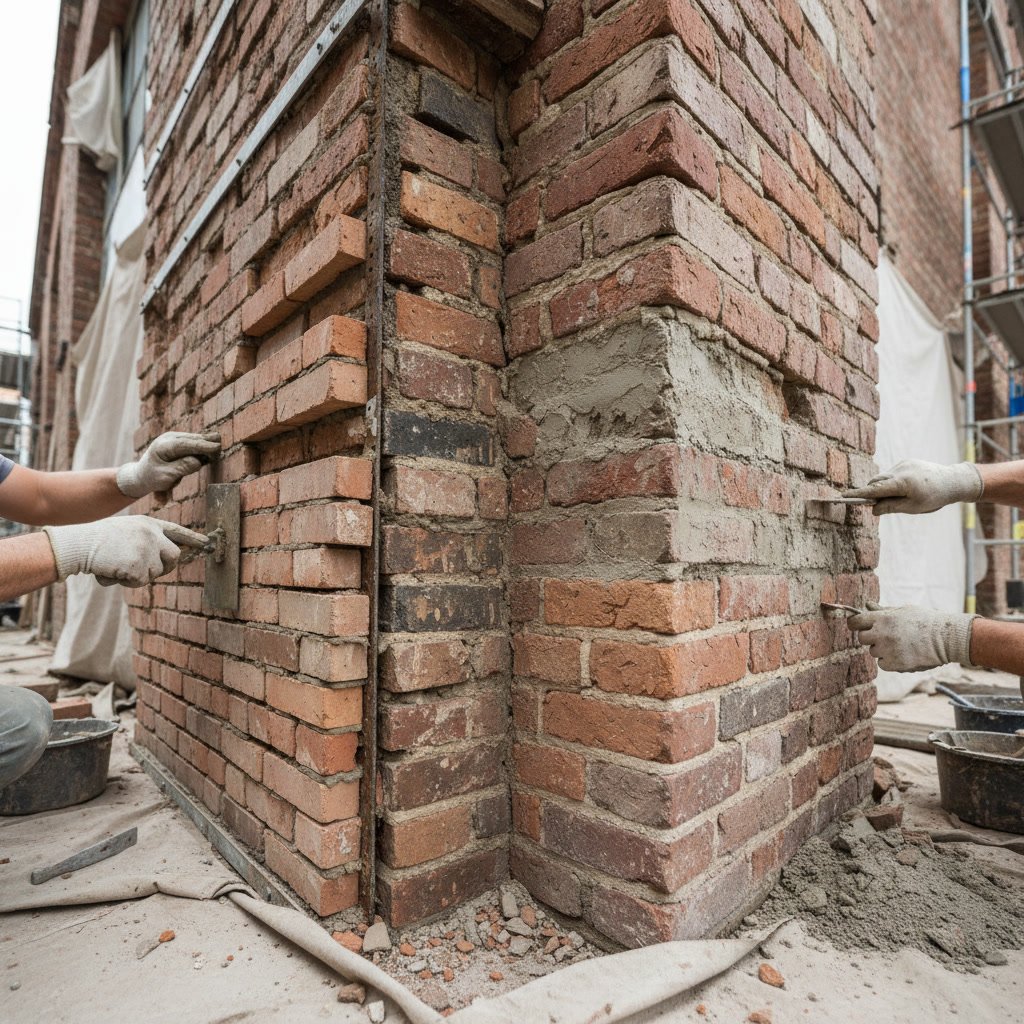
Both repointing and tuckpointing begin with careful removal of deteriorated mortar. Masons use grinders, chisels, or specialized tools to cut out damaged material without harming the surrounding brick or stone. The depth of removal typically reaches 0.75 to 1 inch, creating sufficient space for the new mortar to bond properly.
After removal, the joints are cleaned thoroughly to remove dust, debris, and loose particles. Many masons dampen the joints before applying new mortar, which prevents the dry brick from drawing moisture out of the fresh mortar too quickly and weakening the bond.
Repointing Application
For standard repointing, the mason packs new mortar firmly into the joints, working in small sections to maintain consistent moisture levels. The mortar is compressed to eliminate air pockets and ensure complete contact with the masonry surfaces.
After the mortar stiffens slightly but before it fully cures, the mason finishes the joint to match the surrounding work. Common joint profiles include concave, flush, or weathered styles. The chosen profile should match existing joints and promote water shedding.
Tuckpointing Application
Tuckpointing follows the same preparation steps but adds the decorative ribbon. After filling the joints with brick-colored mortar and allowing it to firm up, the mason cuts a narrow groove down the center of each joint. This groove, typically one-eighth to one-quarter inch wide, receives the contrasting material.
Traditional tuckpointing uses lime putty for the ribbon, which sits slightly proud of the joint surface. Modern variations sometimes use colored mortar instead of putty, though purists argue this compromises the authentic appearance.
The ribbon must be applied at precisely the right moment. If the base mortar is too soft, the ribbon sinks in. If it’s too hard, the ribbon won’t adhere properly. This narrow window of workability is one reason true tuckpointing demands experienced craftsmen.
Mortar Mix and Material Selection
The mortar composition matters as much as the application technique. Historic buildings were constructed with lime-based mortars that are softer and more flexible than modern Portland cement mixes. Repairing old masonry with hard cement mortar causes brick damage because the mortar doesn’t allow for normal expansion and contraction.
Professional masons analyze existing mortar before selecting a repair mix. They consider factors like compressive strength, permeability, and thermal movement. The replacement mortar should be slightly weaker than the masonry units, allowing joints to absorb stress rather than transferring it to the brick or stone.
Color matching requires skill and experience. Mortar changes color as it cures, often lightening by several shades. A mason who understands these changes can predict the final color and adjust the mix accordingly. Test patches help verify color accuracy before tackling the entire project.
For homeowners concerned about protecting all aspects of their masonry, comprehensive masonry restoration often addresses multiple issues simultaneously, from joint repair to water damage and structural concerns.
Common Mistakes in DIY Mortar Repair
Many property owners attempt mortar repair as a DIY project, but several common mistakes can cause more harm than good. Using pre-mixed mortar from hardware stores often results in mixes that are too hard for the application, particularly on historic masonry.
Insufficient depth when removing old mortar is another frequent error. Shallow repairs, less than half an inch deep, don’t provide enough surface area for the new mortar to bond properly. These repairs fail within a few years, requiring the work to be redone correctly.
Applying new mortar in extreme temperatures compromises curing. Mortar applied when temperatures are below 40 degrees Fahrenheit or above 90 degrees doesn’t develop proper strength. Hot weather causes rapid moisture loss, while cold weather can freeze water in the mix before proper bonding occurs.
Perhaps the most damaging mistake is using mortar that’s harder than the brick. This transfers stress to the masonry units during freeze-thaw cycles, causing brick faces to spall off. Repairing this damage costs significantly more than hiring a professional mason in the first place.
Key Takeaway: Mortar joints are sacrificial components designed to fail before the brick. Using softer mortar than the surrounding masonry protects your investment and reduces long-term maintenance costs.
Regional Considerations for St. Louis Masonry
St. Louis area buildings face specific challenges that affect mortar joint longevity. The region’s freeze-thaw cycles, where temperatures repeatedly cross the freezing point throughout winter, stress mortar joints. Water that penetrates deteriorated mortar expands when it freezes, widening gaps and accelerating damage.
High humidity during summer months keeps masonry damp longer, promoting efflorescence and biological growth that further weakens mortar. Properties throughout the Greater St. Louis area, from Chesterfield to Oakville, experience these conditions and benefit from proactive maintenance.
The clay content in local soils can also affect foundation walls and below-grade masonry. Expansive clay soils shift with moisture changes, placing stress on mortar joints in foundation walls and retaining structures. Regular inspection helps catch problems early, before minor cracks become structural concerns.
Frequently Asked Questions
Is tuckpointing the same as repointing?
No, though the terms are often confused. Repointing is the general process of replacing deteriorated mortar with new material that matches existing joints. Tuckpointing is a specific decorative technique that uses two colors of mortar to create contrasting ribbons in the joints. Most modern homes only need standard repointing, not decorative tuckpointing.
How long does repointing last?
Properly executed repointing typically lasts 25 to 30 years, though this varies based on exposure, climate, and mortar quality. South-facing walls and chimney work may need attention sooner due to increased sun exposure and weather stress. Regular inspection every five years helps identify problems before they require extensive repair.
Can I paint over repointed mortar joints?
While you can paint masonry, it’s generally not recommended because paint traps moisture inside the brick and mortar. This causes accelerated deterioration and spalling. If the mortar color doesn’t match perfectly after repointing, it will weather and blend naturally within a year or two. Patience usually yields better results than paint.
What time of year is best for tuckpointing or repointing work?
Late spring through early fall provides ideal conditions, when daytime temperatures consistently stay between 40 and 90 degrees Fahrenheit. Mortar needs moderate temperatures to cure properly. Many masons in the St. Louis area book spring and fall months heavily, so scheduling several weeks in advance ensures timely completion.
How do I know if my home needs repointing or just cleaning?
Run your finger firmly along the mortar joints. If mortar crumbles or falls out easily, you need repointing. If the mortar feels solid but looks dirty or stained, professional cleaning may be sufficient. A qualified mason can assess the joint condition and recommend the appropriate service during a site inspection.
Protecting Your Masonry Investment
Whether your building needs standard repointing or decorative tuckpointing, addressing deteriorated mortar joints protects your property value and prevents costly structural damage. The right choice depends on your building’s age, architectural significance, and your goals for appearance and historical accuracy.
Most residential properties built in the past century benefit from professional repointing that restores structural integrity without the added expense of decorative finishes. Historic buildings may warrant the investment in authentic tuckpointing to maintain period character and architectural value.
Understanding tuckpointing vs repointing helps you communicate clearly with contractors and ensures you get the service your property actually needs. Professional assessment identifies the extent of damage, appropriate repair methods, and realistic timelines for completion.
Massey Tuckpointing & Masonry has served the Greater St. Louis area since 2002, providing expert mortar repair for residential and commercial properties. Our family-owned company understands the difference between these techniques and helps property owners make informed decisions based on their specific needs and budgets. If you’re noticing deteriorating mortar joints on your home or building, contact us at +13145823382 for a professional assessment and detailed estimate.