
Brick homes across the St. Louis metro area face a common challenge: deteriorating mortar joints that threaten both structural integrity and curb appeal. If you’ve noticed crumbling mortar, gaps between bricks, or water infiltration, you’re likely researching tuckpointing cost in St. Louis to plan your restoration budget. This guide breaks down exactly what you’ll pay, what influences pricing, and how to make smart decisions about this essential home maintenance.
The average tuckpointing project in the St. Louis area ranges from $5 to $25 per square foot, though your actual cost depends on several critical factors. Understanding these variables helps you budget accurately and avoid surprises when quotes arrive.
Average Tuckpointing Costs in the St. Louis Area
Most homeowners in St. Louis, Kirkwood, Chesterfield, and surrounding areas pay between $1,500 and $8,000 for tuckpointing work. Small repairs on a single wall might cost as little as $500, while comprehensive whole-house restoration can exceed $15,000.
Here’s how pricing typically breaks down by project scope:
- Small repair (100-200 square feet): $500 to $2,000
- Single wall or chimney: $1,000 to $3,500
- Partial home exterior: $3,000 to $8,000
- Whole-house tuckpointing: $8,000 to $30,000+
The tuckpointing cost St. Louis homeowners encounter varies significantly based on brick condition, accessibility, mortar type, and building height. A straightforward ground-level project costs far less per square foot than work requiring scaffolding on a three-story home.
Key Factors That Affect Your Tuckpointing Price
Several variables determine your final bill. Knowing these helps you understand quotes and spot when a contractor might be cutting corners or overcharging.
Wall Height and Accessibility
Ground-level work costs significantly less than projects requiring scaffolding, lifts, or multi-story access. Adding scaffolding can increase costs by $800 to $2,500 or more, depending on building height and complexity.
Homes in areas like Ladue or Town & Country with complex architecture, multiple chimneys, or hard-to-reach gables will see higher pricing due to access challenges.
Extent of Mortar Damage
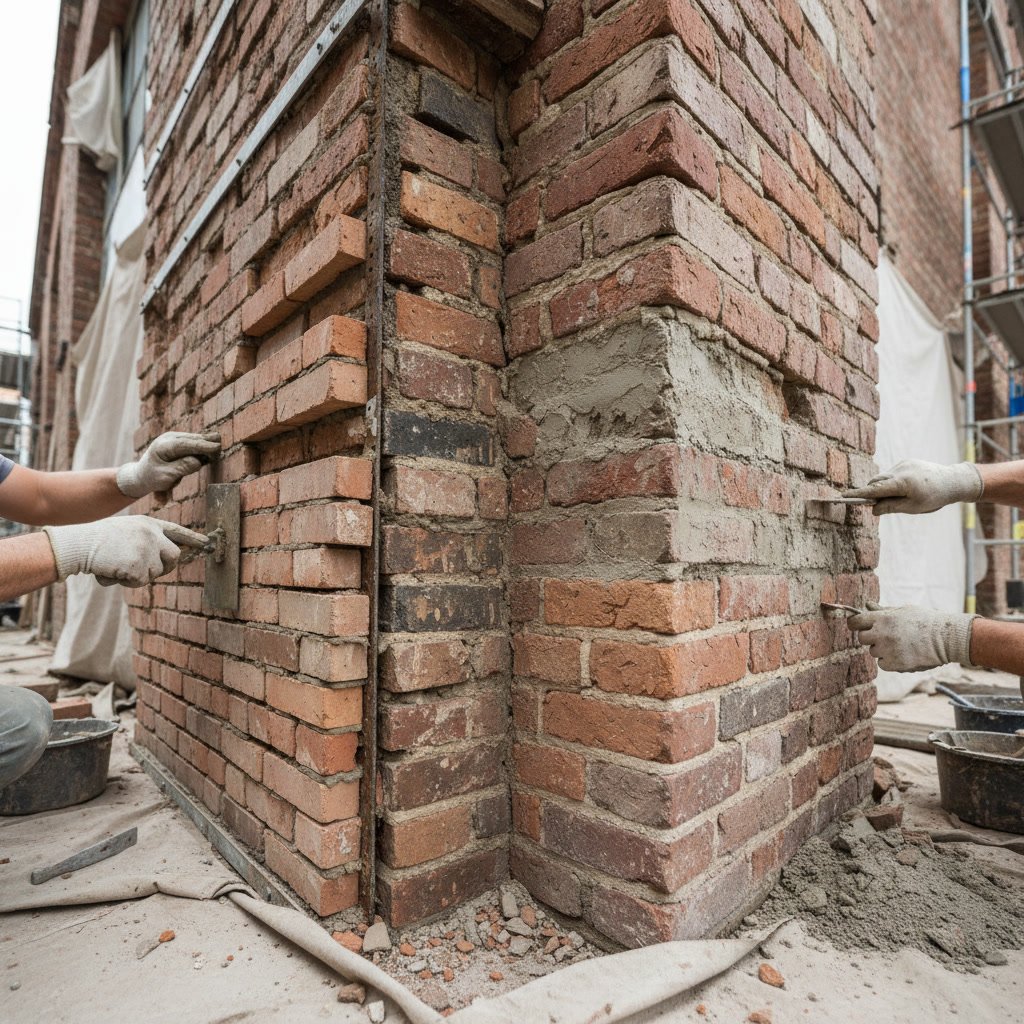
Minor repointing of shallow joints costs less than deep grinding and replacement. When mortar has deteriorated beyond surface level, contractors must remove more material and spend additional time ensuring proper depth and adhesion.
Severely damaged walls may need brick replacement in addition to tuckpointing, which adds $20 to $40 per brick depending on type and matching requirements.
Mortar Type and Matching
Historic homes in neighborhoods like Webster Groves or University City often require custom mortar matching to preserve authenticity. Matching historic lime-based mortar costs more than standard Type N mortar due to specialized materials and mixing.
Proper mortar matching prevents future damage. Using modern hard Portland cement in older soft brick accelerates brick deterioration, creating costly problems down the road.
Geographic Location Within the Metro
While tuckpointing cost St. Louis residents pay remains relatively consistent across the metro, projects in areas like Wildwood or Eureka may include travel charges if the contractor is based in South City or Affton. Most reputable companies serve the entire region without significant location-based pricing differences.
Understanding Square Footage vs Linear Foot Pricing
Contractors quote tuckpointing using two methods: square footage and linear footage. Understanding both helps you compare estimates accurately.
Square footage pricing ($5 to $25 per square foot) works best for large wall sections. This method accounts for the total surface area requiring work. A 10-foot by 10-foot wall equals 100 square feet, which might cost $1,000 to $2,000 depending on the factors above.
Linear footage pricing ($10 to $30 per linear foot) makes more sense for chimneys, pillars, or narrow sections. A chimney with 40 linear feet of joints might cost $400 to $1,200.
Always confirm which measurement method appears in your quote. Some contractors mix both, charging by square footage for walls and linear footage for detail work.
Additional Costs to Consider
Tuckpointing rarely happens in isolation. Related repairs or preparation work can add to your total investment.
Brick Replacement
Damaged or spalling bricks need replacement before tuckpointing. Expect to pay $20 to $40 per brick for standard sizes, or $50+ for custom historical bricks requiring special sourcing.
Chimney Repairs
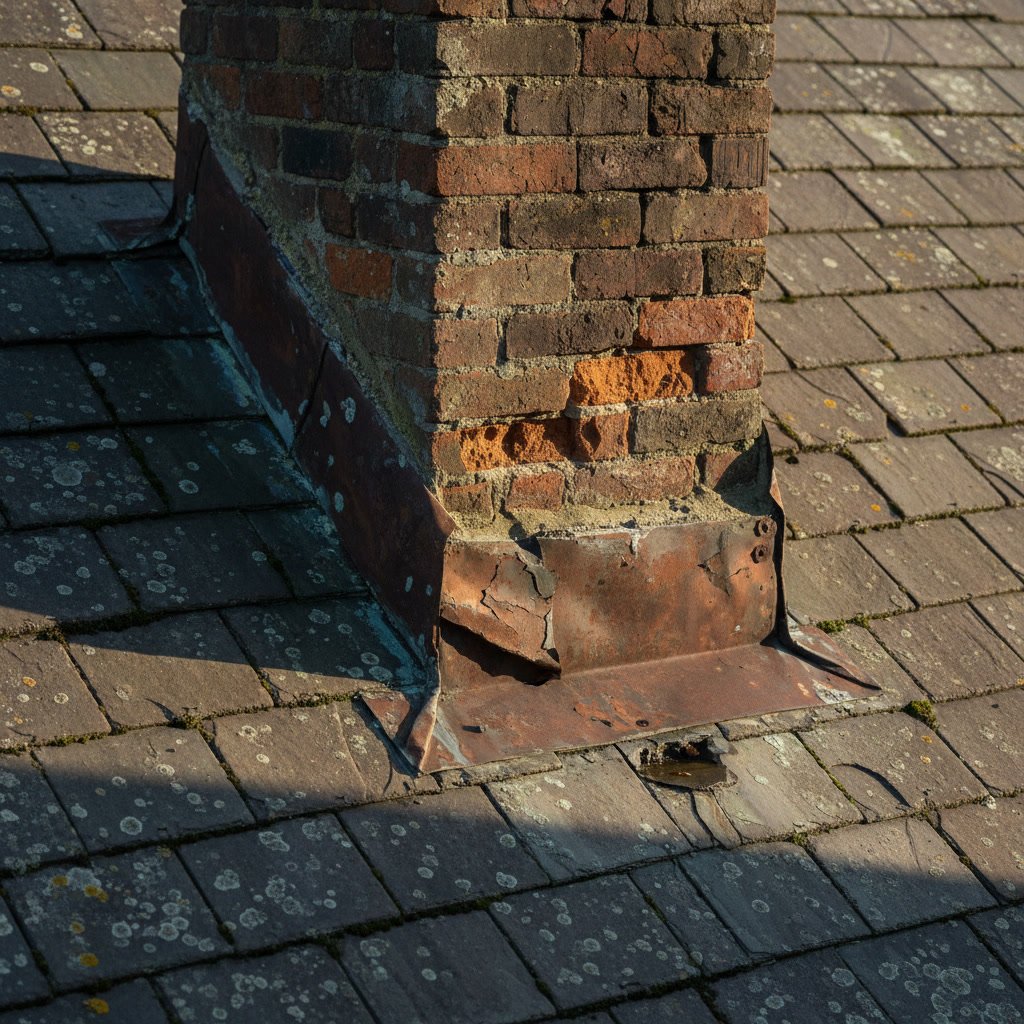
Chimneys often need additional work beyond tuckpointing, including crown repair, flashing replacement, or cap installation. A complete chimney repair project may cost $1,000 to $3,500 depending on damage severity.
Waterproofing and Sealing
After tuckpointing, many homeowners invest in breathable masonry sealers to extend mortar life and prevent water infiltration. Professional sealing adds $1 to $3 per square foot but significantly extends the lifespan of your investment.
Caulking Around Windows and Doors
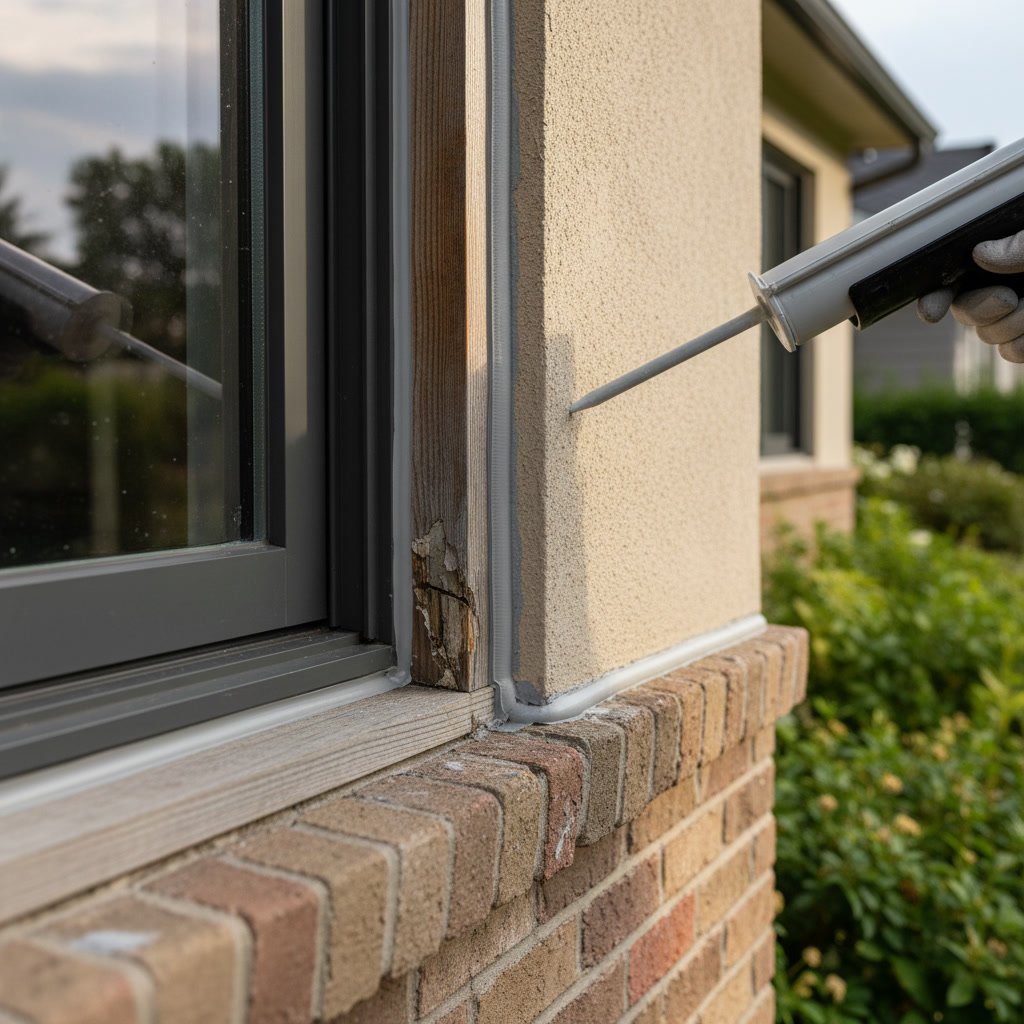
Gaps around brick openings allow water penetration that damages mortar. Professional caulking costs $3 to $8 per linear foot and prevents moisture problems that accelerate mortar deterioration.
Pro Tip: Bundling tuckpointing with related services like waterproofing or caulking often reduces overall costs. Contractors already on-site with equipment set up can add these services more efficiently than scheduling separate visits.
How to Get Accurate Tuckpointing Quotes
Getting three quotes from qualified contractors gives you pricing benchmarks and helps identify outliers. Here’s how to ensure accurate, comparable estimates.
Request detailed written quotes that specify square footage or linear footage, mortar type, preparation work included, and timeline. Vague estimates like “around $5,000” make comparison difficult and leave room for surprise charges.
Ask contractors to identify specific areas needing work during the inspection. A thorough evaluation reveals hidden damage that affects pricing. Some contractors provide low initial quotes, then increase prices after starting work and “discovering” additional problems.
Verify that quotes include all necessary prep work, such as grinding out old mortar to proper depth, cleaning joints, and protecting surrounding areas. Shortcuts in preparation compromise results and longevity.
Confirm warranty coverage. Reputable contractors stand behind their work with warranties covering both materials and labor, typically for one to five years.
When to Invest in Tuckpointing
Timing your tuckpointing project appropriately saves money and prevents structural damage. Several signs indicate it’s time to act.
Crumbling mortar that you can scrape out with a screwdriver needs immediate attention. Once mortar deteriorates to this point, water infiltration accelerates damage to surrounding bricks and interior walls.
Gaps wider than one-eighth inch between bricks allow water, insects, and air penetration. These gaps grow larger through freeze-thaw cycles common in St. Louis winters, causing exponential damage over time.
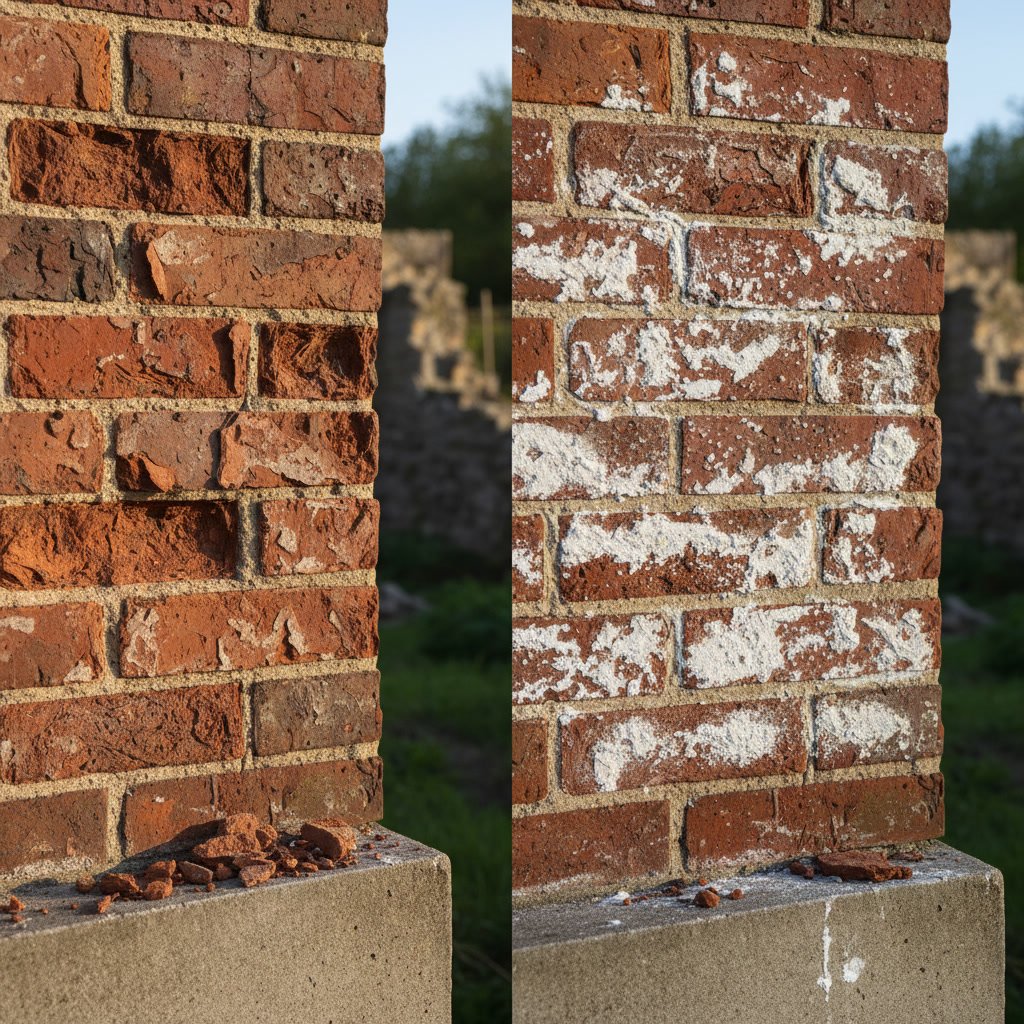
White powdery deposits (efflorescence) on brick surfaces indicate water moving through masonry. While not always urgent, efflorescence signals moisture problems that tuckpointing and waterproofing address.
Visible cracks in mortar joints, even small ones, provide pathways for water. Addressing these early costs far less than repairing extensive water damage later.
Key Takeaway: Tuckpointing costs less when performed as preventive maintenance rather than emergency repair. Addressing minor mortar deterioration before bricks suffer damage keeps projects smaller and more affordable.
DIY vs Professional Tuckpointing
Some homeowners consider DIY tuckpointing to save money. While possible for very small projects, professional work typically delivers better value for most situations.
Professional tuckpointing requires specialized tools including grinders, mortar mixers, and scaffolding. Renting or purchasing this equipment for a single project can cost $500 to $2,000, reducing DIY savings.
Matching mortar color and consistency requires experience. Mismatched mortar looks unprofessional and may not provide proper structural support. Historic homes particularly need professional expertise to match original mortar composition.
Improper depth or incomplete removal of deteriorated mortar causes new tuckpointing to fail prematurely. Professionals know how to grind joints to proper depth (typically three-eighths to three-quarters inch) without damaging bricks.
Safety concerns make multi-story DIY tuckpointing risky. Working from ladders or scaffolding without proper training leads to falls and injuries that far outweigh any cost savings.
For small ground-level repairs under 50 square feet, DIY might make sense if you have basic masonry skills. Anything larger, higher, or on a historic home justifies professional expertise.
How Long Does Tuckpointing Last
Understanding tuckpointing lifespan helps you evaluate cost as a long-term investment rather than a one-time expense.
Professionally done tuckpointing typically lasts 25 to 30 years in the St. Louis climate. Proper mortar mix, adequate joint depth, and correct curing all contribute to longevity.
Several factors extend or reduce this timeframe. North-facing walls experience more moisture and freeze-thaw cycles, deteriorating faster than south-facing walls. Homes with poor drainage, missing gutters, or overflowing downspouts see accelerated mortar failure.
Regular maintenance extends tuckpointing life. Applying breathable sealers every five to seven years, maintaining proper drainage, and addressing small problems quickly can push lifespan beyond 30 years.
When you calculate tuckpointing cost St. Louis homeowners invest over a 25 to 30 year period, the annual cost becomes quite reasonable. A $6,000 tuckpointing project lasting 30 years costs just $200 annually, far less than the structural damage and interior repairs that result from neglect.
Frequently Asked Questions
How much does it cost to tuckpoint a chimney in St. Louis?
Chimney tuckpointing in the St. Louis area typically costs $1,000 to $3,500 depending on chimney height, accessibility, and damage extent. Small single-story chimneys with minor mortar damage fall on the lower end, while tall two-story chimneys with extensive deterioration or brick replacement needs cost more. Additional chimney services like crown repair, cap installation, or flashing replacement increase total costs.
Is tuckpointing covered by homeowners insurance?
Standard homeowners insurance rarely covers tuckpointing because insurers consider it routine maintenance, not sudden damage. However, if a covered event like a storm or fire damages your masonry, insurance may cover resulting tuckpointing needs. Review your policy or contact your agent to understand specific coverage.
How do I know if I need tuckpointing or just repair?
If mortar deterioration affects isolated areas (less than 20% of total wall surface), spot repairs may suffice. When damage extends across large sections or multiple walls, comprehensive tuckpointing delivers better value and more consistent results. A professional inspection identifies damage extent and recommends the most cost-effective approach.
What time of year is best for tuckpointing in St. Louis?
Late spring through early fall (May through October) provides ideal conditions for tuckpointing in St. Louis. Mortar requires temperatures above 40 degrees Fahrenheit for proper curing, and dry conditions help prevent washout. Scheduling during these months also avoids winter premium pricing some contractors charge for cold-weather work.
Can I get financing for tuckpointing work?
Many masonry contractors offer financing options or work with third-party lenders to provide payment plans. Home equity loans or lines of credit also fund tuckpointing projects, often at lower interest rates than contractor financing. Some homeowners use home improvement loans or credit cards with promotional rates for smaller projects.
Making Your Tuckpointing Investment
Understanding tuckpointing cost St. Louis homeowners face helps you budget appropriately and choose qualified contractors. The investment protects your home’s structural integrity, prevents costly water damage, and maintains property value for decades.
Massey Tuckpointing & Masonry has served the Greater St. Louis area since 2002, providing professional masonry restoration across Affton, Ballwin, Brentwood, Chesterfield, Des Peres, Eureka, Fenton, Kirkwood, Ladue, Manchester, Oakville, Shrewsbury, South City, Sunset Hills, Town & Country, University City, Webster Groves, and Wildwood. Our family-owned business combines military precision with craftsmanship developed over two decades.
Contact us at +13145823382 for a detailed assessment and transparent quote on your tuckpointing project. We provide honest evaluations, clear pricing, and quality work backed by our family name.