Cracks in your brick walls. Crumbling mortar between stones. Water stains near your chimney. These aren’t just cosmetic issues that you can ignore. They’re warning signs that your home’s masonry is deteriorating, and without proper attention, minor damage can turn into costly structural problems. If you’ve noticed these issues, you’re probably asking yourself what is masonry restoration and whether your home needs it.
Masonry restoration is the process of repairing, rebuilding, and preserving brick, stone, concrete, and mortar structures to restore their original strength, functionality, and appearance. This post will explain what masonry restoration involves, the common signs that indicate your home needs it, the different repair methods professionals use, and how to know when it’s time to call an expert.
Understanding Masonry Restoration
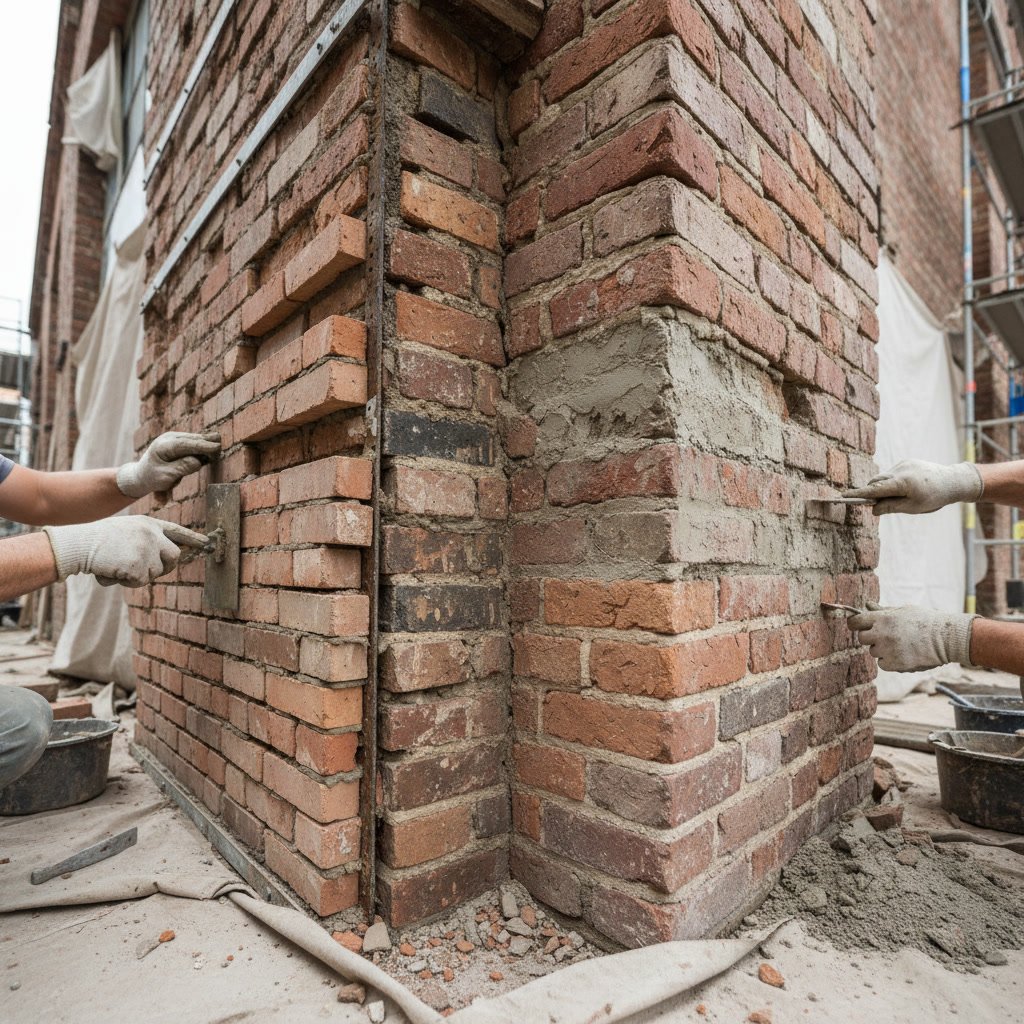
What is masonry restoration in practical terms? It’s more than just patching cracks or slapping on new mortar. True restoration involves carefully analyzing the existing masonry, identifying the root causes of deterioration, and using appropriate techniques and materials to repair damage while preserving the structure’s integrity.
Masonry work includes several specialized services. Tuckpointing replaces deteriorated mortar joints between bricks. Brick restoration repairs or replaces damaged bricks while matching the original appearance. Stone repair addresses cracks, chips, and erosion in natural stone surfaces. Structural repairs reinforce walls, foundations, and other load-bearing masonry elements.
Professional restoration differs from simple repairs because it focuses on long-term durability. A qualified mason will match the original mortar composition, use proper mixing ratios, and apply techniques that allow the masonry to breathe and expand naturally with temperature changes. This attention to detail prevents future problems and extends the life of your masonry by decades.
Common Signs Your Home Needs Masonry Restoration
Recognizing the warning signs early can save you thousands of dollars in repairs. Here are the most common indicators that your home needs professional masonry work.
Deteriorating Mortar Joints
Mortar joints are the first line of defense against water infiltration. When mortar begins to crack, crumble, or recede more than a quarter inch from the face of the brick, it’s time for restoration. You might notice sandy or powdery residue at the base of walls, which indicates mortar breaking down.
In the St. Louis area, freeze-thaw cycles accelerate mortar deterioration. Water seeps into small cracks, freezes, expands, and causes additional damage each winter. Homes in Webster Groves, Kirkwood, and throughout the region are particularly vulnerable to this cycle.
Cracks in Brick or Stone
Horizontal or stair-step cracks in brick walls often signal foundation settlement or structural movement. Vertical cracks are usually less serious but still require evaluation. Any crack wider than an eighth of an inch deserves professional inspection.
Cracks around windows and doors indicate that the lintels (support beams above openings) may be rusting or failing. This is a serious issue that requires prompt attention to prevent further structural damage.
Water Damage and Staining
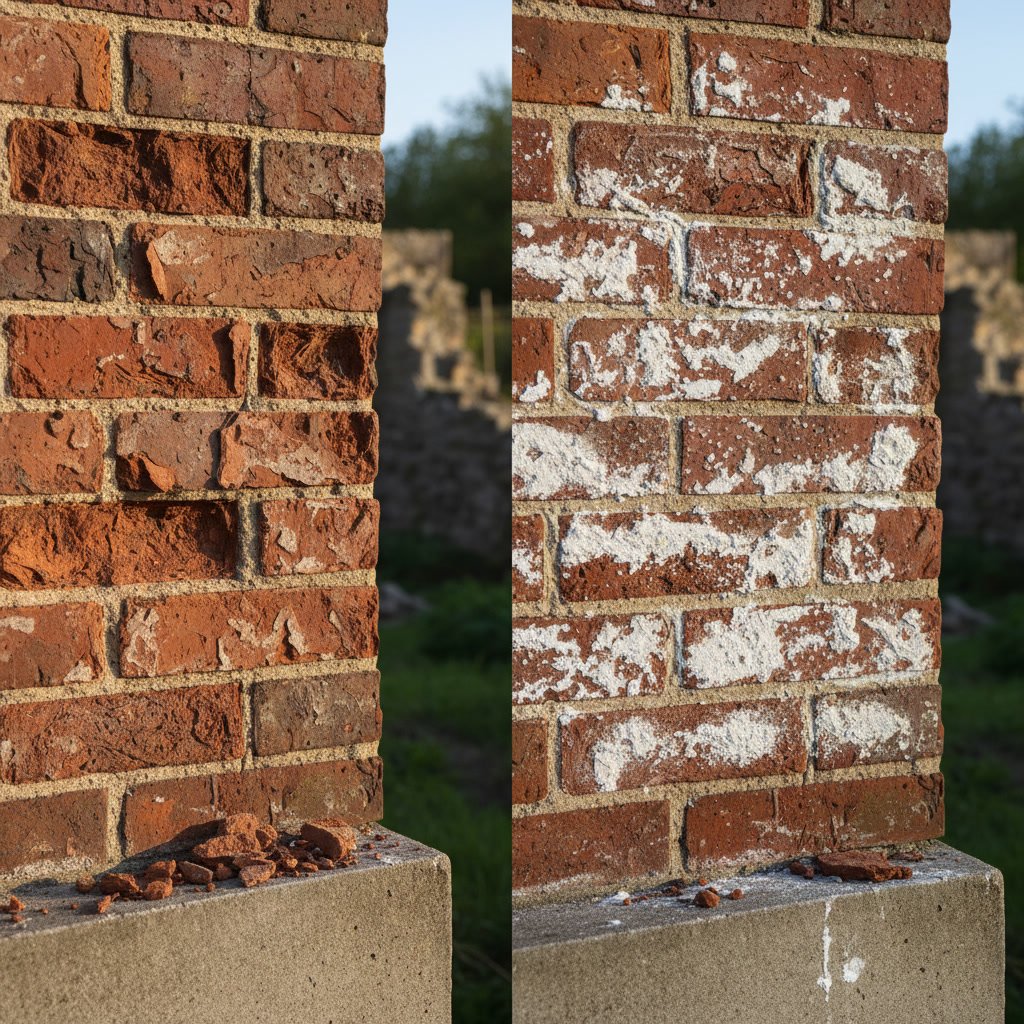
White, chalky deposits on brick surfaces (called efflorescence) occur when water carries salts to the surface. While efflorescence itself isn’t harmful, it indicates that water is penetrating your masonry, which can lead to more serious problems.
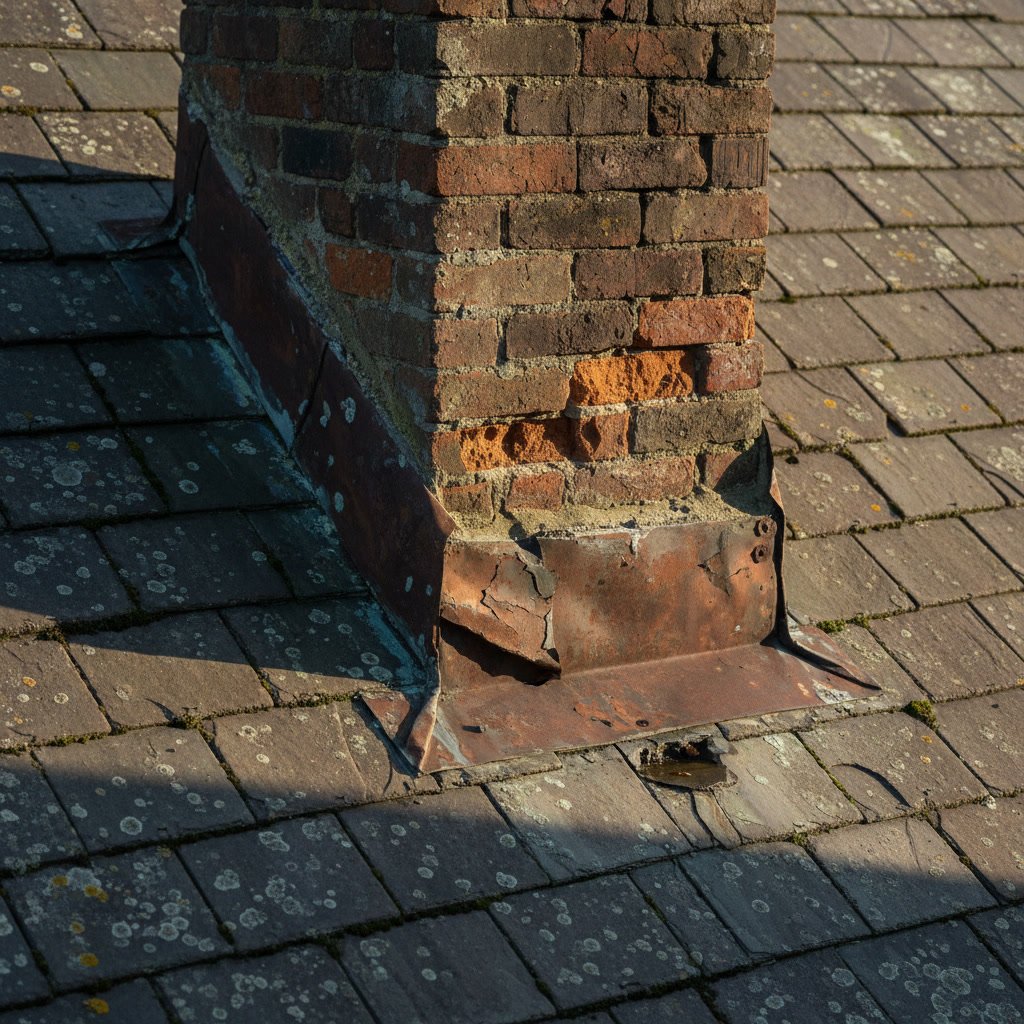
Dark stains, moss growth, or persistent dampness on interior walls near masonry surfaces suggest that water is breaching your home’s envelope. Our guide to chimney repair covers water damage specifically related to chimney masonry, which is one of the most common problem areas.
Bowing or Bulging Walls
Any outward bowing or bulging in a masonry wall is a serious structural concern. This indicates that the wall is separating from its support system or that water has compromised its stability. Don’t wait to address this issue, as bowing walls can eventually collapse.
Loose or Missing Bricks
When individual bricks become loose or fall out entirely, the surrounding masonry is at risk. Missing bricks create openings for water, pests, and debris. The longer these gaps remain, the more surrounding bricks will loosen as the structure loses integrity.
What Causes Masonry Deterioration
Understanding why masonry fails helps homeowners prevent future damage and make informed decisions about restoration timing.
Weather and Moisture
Water is masonry’s primary enemy. Rain, snow, and humidity all contribute to deterioration. When water saturates mortar and brick, it weakens bonds, promotes mold growth, and carries damaging salts through the material.
The freeze-thaw cycle in Missouri creates particular challenges. Water expands by roughly nine percent when it freezes, generating tremendous pressure within masonry pores and cracks. Over time, this process fragments mortar and causes bricks to spall (flake or chip).
Age and Normal Wear
Most mortar has a lifespan of 20 to 30 years before it needs repointing. Bricks themselves can last over 100 years, but the mortar joints require periodic maintenance. Older homes built before 1930 often used lime-based mortars that are softer than modern Portland cement mortars, requiring specialized restoration techniques.
Poor Original Construction
Not all masonry was built to the same standards. Common construction defects include improper mortar mix ratios, inadequate drainage systems, missing weep holes, and insufficient flashing around openings. These defects accelerate deterioration and may require more extensive restoration to correct.
Structural Settlement
As homes settle over time, stress concentrates at weak points in the masonry. Doorways, windows, and corners are particularly vulnerable. Minor settlement is normal, but significant or ongoing movement indicates foundation problems that must be addressed before masonry restoration can succeed.
Types of Masonry Restoration Services
Professional masonry restoration encompasses several specialized services, each addressing specific types of damage.
Tuckpointing and Repointing
This process involves removing deteriorated mortar from joints and replacing it with fresh mortar that matches the original in composition, color, and strength. Proper tuckpointing requires grinding out old mortar to a depth of at least three-quarters of an inch, cleaning the joints thoroughly, and applying new mortar in layers.
The mortar mix must be softer than the brick to allow for thermal expansion and moisture movement. Many DIY repairs fail because homeowners use pre-mixed mortars that are too hard, which transfers stress to the bricks and causes them to crack. If you’re curious about professional costs, our St. Louis tuckpointing pricing guide provides detailed information.
Brick and Stone Replacement
When individual bricks or stones are damaged beyond repair, they must be removed and replaced. This requires carefully extracting the damaged unit without harming surrounding masonry, then installing a matching replacement.
Finding matching bricks for older homes can be challenging. Experienced masons maintain relationships with salvage yards and specialty suppliers to source period-appropriate materials. In some cases, custom-made bricks are necessary to achieve a proper match.
Structural Reinforcement
Serious structural issues may require installing steel reinforcements, rebuilding sections of wall, or adding support systems. This level of restoration is complex and requires engineering expertise to ensure the work meets building codes and provides adequate strength.
Chimney Restoration
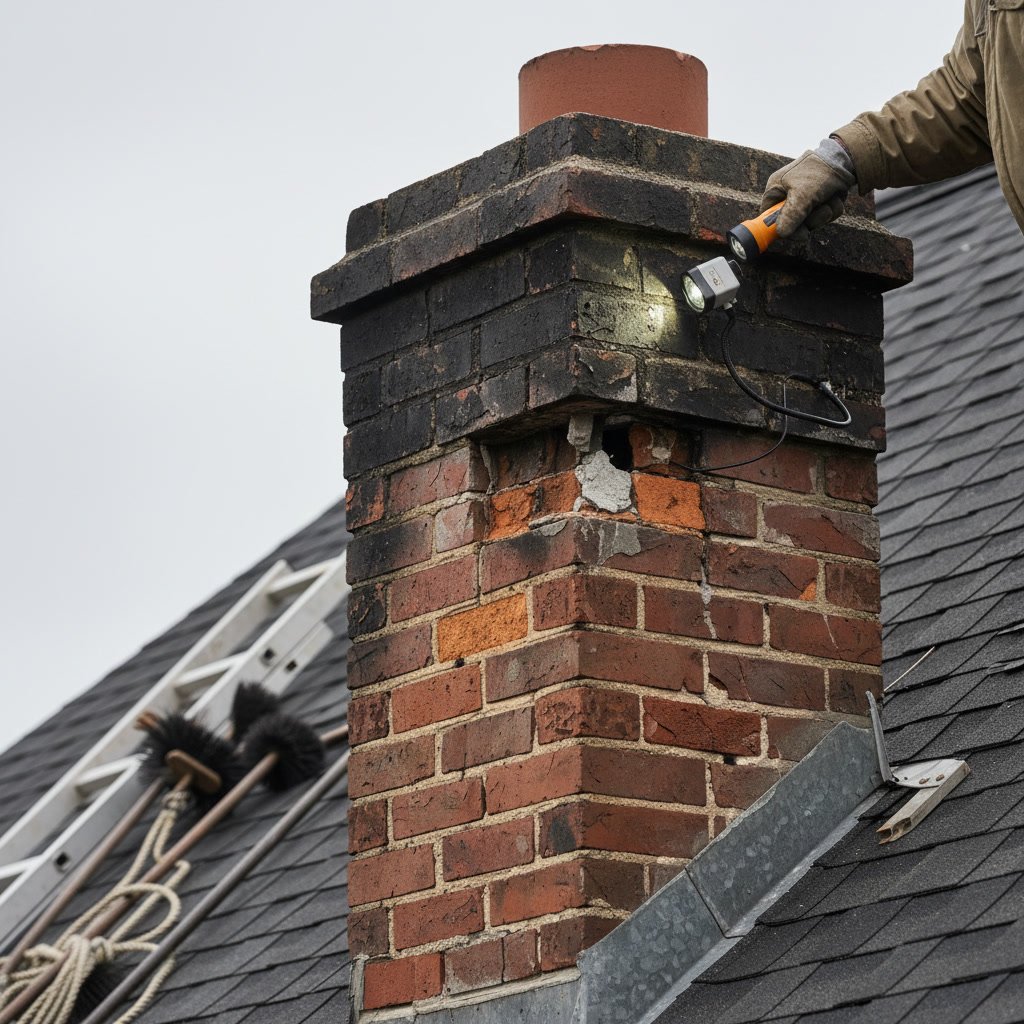
Chimneys face unique challenges due to their exposure to weather, heat stress from fires, and constant moisture from combustion. Chimney services often include rebuilding crowns, replacing flashing, repairing or replacing flue liners, and tuckpointing deteriorated joints.
Waterproofing and Sealing
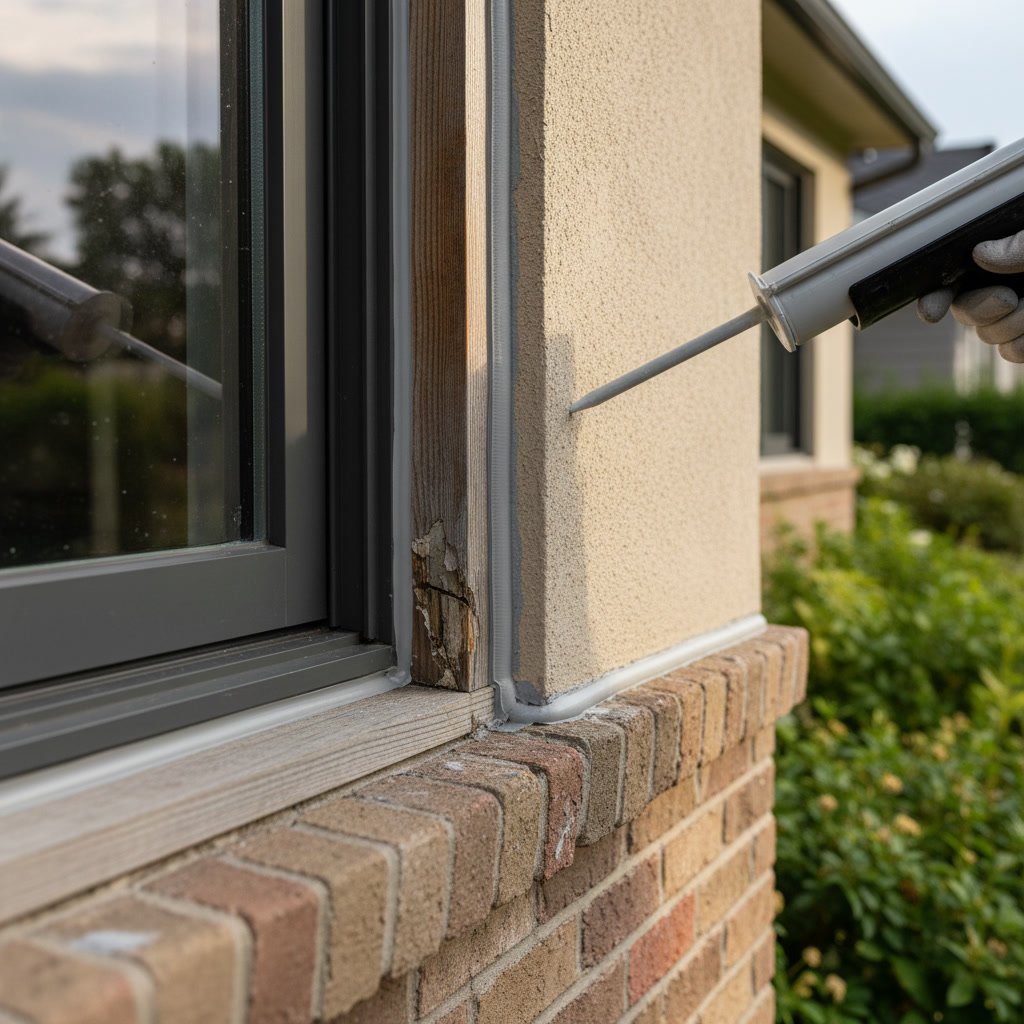
After completing structural repairs, applying appropriate weatherproofing treatments helps prevent future damage. Breathable masonry sealers repel water while allowing moisture vapor to escape, preventing trapped moisture from causing deterioration.
Pro Tip: Never apply waterproofing to masonry that hasn’t been properly repaired first. Sealing in existing moisture or covering deteriorated mortar will accelerate damage rather than prevent it. Always restore first, then seal.
When to Call a Professional for Masonry Restoration
Some homeowners attempt DIY masonry repairs to save money, but improper work often causes more damage than it prevents. Here’s when you should definitely call a professional.
Structural Concerns
Any situation involving cracks wider than a quarter inch, bowing walls, foundation issues, or significant brick displacement requires professional evaluation. Structural problems can worsen rapidly and pose safety risks.
Extensive Deterioration
When mortar damage extends across large areas or affects multiple walls, the scope of work requires professional tools, materials, and expertise. Attempting large-scale tuckpointing without proper equipment and training typically produces poor results that need to be redone.
Historic Homes
Homes built before 1930 often used lime-based mortars and specialized brick types that require matching materials and techniques. Using modern Portland cement mortars on historic masonry can cause serious damage. If your home in Ladue or Town & Country is more than 90 years old, consult a mason experienced in historic restoration.
Chimney Work
Chimney repairs involve working at height, dealing with fire-rated materials, and ensuring proper draft and ventilation. These factors make chimney restoration inherently dangerous for untrained individuals. Professional masons have the safety equipment, insurance, and expertise to complete this work safely and correctly.
Matching Existing Work
Achieving invisible repairs that blend seamlessly with existing masonry requires skill in color matching, tooling techniques, and material selection. Poorly matched patches are immediately visible and can reduce your home’s curb appeal and value.
The Masonry Restoration Process
Understanding what happens during a professional restoration helps you know what to expect and how to evaluate contractors.
The process begins with a thorough inspection. A qualified mason will examine all visible masonry, identify damage patterns, determine root causes, and check for hidden issues like interior moisture or structural movement. This assessment forms the basis for a detailed scope of work and accurate estimate.
Next comes preparation. Workers will set up scaffolding or lifts for safe access, protect landscaping and adjacent surfaces, and carefully remove deteriorated mortar using grinders or chisels. Proper depth and clean joints are critical for strong repairs.
The restoration itself involves mixing mortar to match the original composition, applying it in appropriate layers, and tooling joints to match existing profiles. Work proceeds in sections to ensure consistent appearance and proper curing. Depending on project scope, restoration can take anywhere from a few days to several weeks.
Finally, cleanup and protection complete the job. Professional masons remove all debris, clean masonry surfaces, and may apply sealers or other protective treatments as specified. They’ll also provide guidance on maintenance to extend the life of the restoration.
Frequently Asked Questions
How much does masonry restoration cost?
Costs vary widely based on the extent of damage, accessibility, materials needed, and project complexity. Simple tuckpointing might run $8 to $15 per square foot, while extensive restoration involving brick replacement and structural work can cost $25 to $50 per square foot or more. The best approach is to get detailed estimates from qualified contractors who can assess your specific situation.
How long does restored masonry last?
When performed correctly with appropriate materials, professional masonry restoration should last 25 to 30 years or longer before requiring significant maintenance. The key factors are proper mortar mix, adequate depth of repointing, good drainage, and appropriate weatherproofing. Regular inspections and minor touch-ups can extend this lifespan even further.
Can masonry restoration be done in winter?
Mortar requires temperatures above 40 degrees Fahrenheit to cure properly. Most masonry restoration happens between April and November in the St. Louis area. Emergency repairs can be completed in winter using heated enclosures and special cold-weather mortars, but these methods add cost and complexity. Planning restoration during warmer months produces the best results.
Will restored areas match my existing masonry?
Experienced masons can achieve excellent matches by analyzing the existing mortar composition, matching sand color and texture, and using proper tooling techniques. However, newly restored areas will often look slightly different initially because fresh mortar hasn’t weathered yet. Over several months of exposure, the color will blend more naturally with the surrounding masonry.
How do I choose a qualified masonry contractor?
Look for contractors with verifiable experience, proper licensing and insurance, detailed written estimates, and strong local references. Ask to see examples of previous work similar to your project. Avoid contractors who offer prices significantly lower than others, as quality masonry work requires skilled labor and proper materials. A contractor who takes time to explain the process and answer your questions thoroughly is usually a good choice.
Protecting Your Investment
Your home’s masonry is a significant investment that protects your property and contributes to its value. Understanding what is masonry restoration and recognizing when your home needs it allows you to address problems before they become expensive emergencies. Regular inspections, prompt repairs, and professional restoration work will keep your masonry strong and attractive for generations.
Massey Tuckpointing & Masonry has provided expert masonry restoration services throughout the Greater St. Louis area since 2002. If you’ve noticed any of the warning signs discussed in this guide, or if you’re simply not sure about the condition of your home’s masonry, we’ll provide an honest assessment and clear recommendations. Call us at +13145823382 to schedule an inspection and get a detailed estimate for your project.